
Blog
White Horse Temple Route for Indian Thai Myanmar Zones

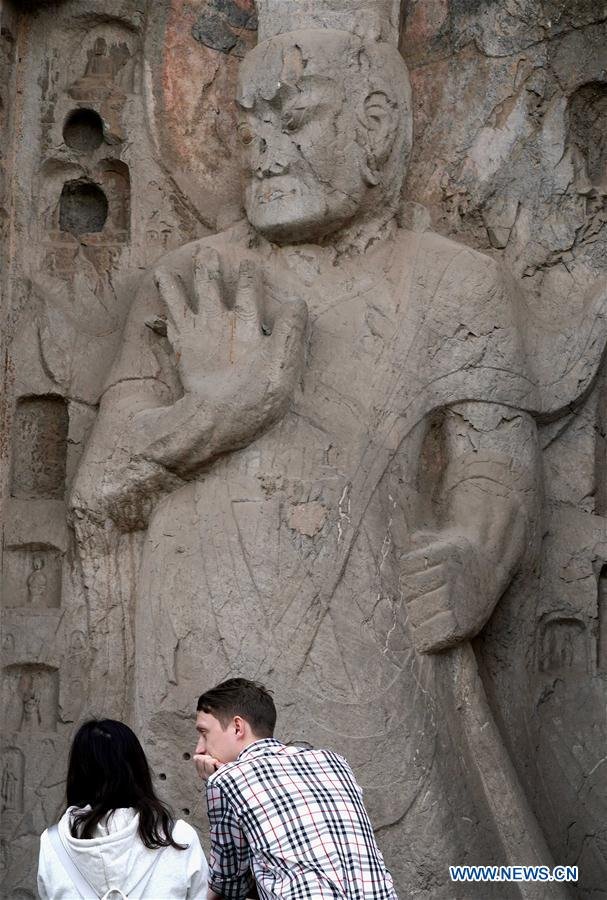
Navigate White Horse Temple Through Its Indian Thai and Myanmar Temple Zones
Which parts of the white horse temple complex deserve the most attention when time is limited? For first-time visitors to Luoyang, the practical answer is to treat the overseas-style temple areas as a visual route rather than as isolated buildings. Their forms, colours, rooflines, gateways, and religious imagery differ noticeably from the older Chinese temple spaces nearby.
The challenge is not simply finding the Indian, Thai, and Myanmar areas. It is understanding what each architectural language is trying to communicate, then allowing enough time to observe it without rushing through the main temple grounds. This guide gives a self-guided route, visual checkpoints, and common mistakes to avoid when visiting white horse temple.
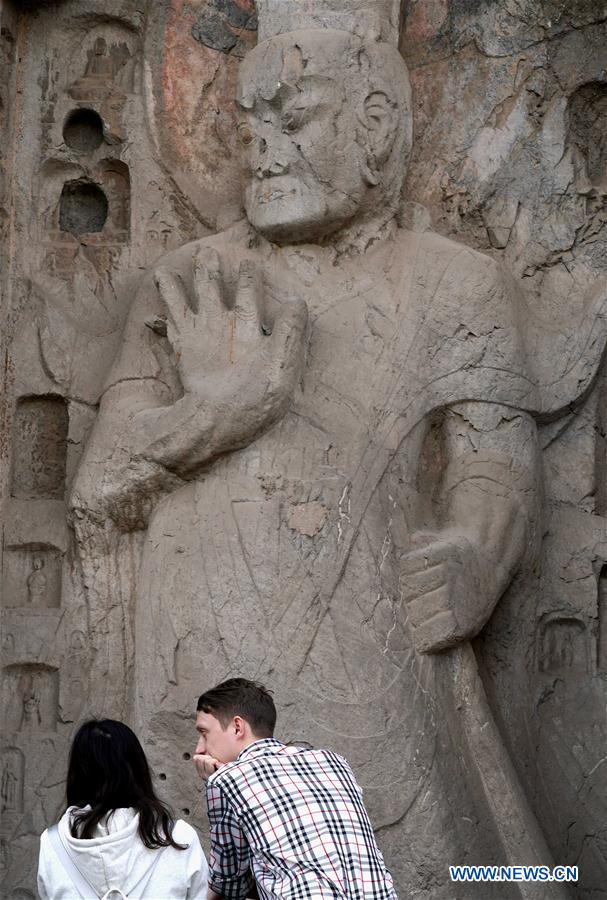
Set a practical walking plan before entering the overseas temple areas
A self-guided visit works best when you separate the historic Chinese temple precinct from the international architectural zones. The conclusion is simple: see the central temple spaces first if you want historical context, then use the overseas areas for architectural comparison. This approach fits first-time visitors who want both religious context and clear visual variety. It may not suit visitors focused only on photography, who may prefer to begin with the most visually distinctive exterior structures.
Buddhism is expressed through different regional building traditions, so similarities in religious purpose do not mean the buildings will look alike. At white horse temple, the Indian, Thai, and Myanmar areas provide a useful opportunity to compare how one broad religious tradition takes different physical forms across Asia.
Use this arrival sequence
- Identify the main orientation of the complex. Start by noting where visitor movement is concentrated and where the older Chinese-style halls sit. This gives you a reference point before you encounter more visually unfamiliar structures.
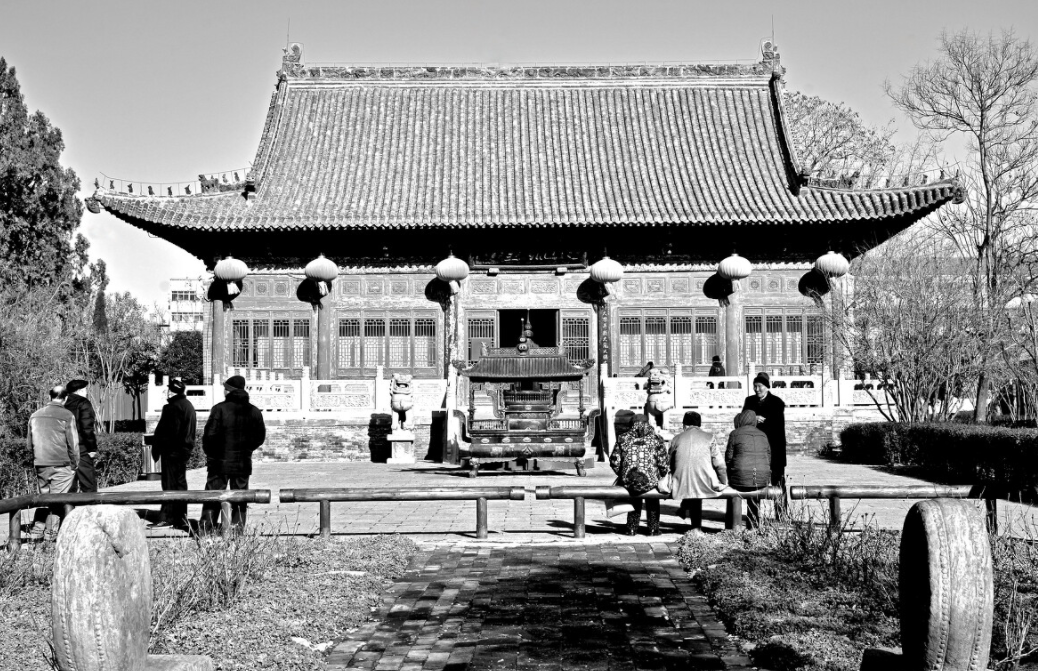
- Visit the principal Chinese temple spaces first. Observe axial planning, enclosed courtyards, tiled roofs, timber-like structural expression, and restrained exterior colour. These features become your comparison baseline.
- Move toward the overseas temple zone with one question in mind. Ask whether the next building emphasizes mass, verticality, ornament, colour, or a ceremonial gateway. This keeps the visit analytical rather than random.
- Pause outside each temple before entering its immediate surroundings. The silhouette and approach sequence often reveal more about regional design than a quick interior glance.
- Compare one feature across all three zones. For example, compare entrance treatment first, then roof form, then surface decoration. Do not attempt to study everything at every stop.
This sequence is useful because the white horse temple visit becomes easier to remember as a set of contrasts: Chinese axial order, Indian-derived massing and symbolism, Thai emphasis on ornate roof and colour expression, and Myanmar-influenced vertical or stupa-related forms. The limitation is that temple compounds can have changing access conditions, visitor flows, or restoration work. Follow on-site signs and respect areas that are closed or designated for worship.
Follow a route to identify the Indian Thai and Myanmar architectural zones
The key differentiator of this visit is that it provides a route-based way to identify the distinct Indian, Thai, and Myanmar architectural zones and interpret their key visual features. Do not try to classify a structure from a single decorative detail. Instead, use the order of approach, overall profile, entry composition, roof treatment, and ornament together.
| Route stop | What to look for | How to interpret it | Best use of your time | Common identification error |
|---|---|---|---|---|
| Indian architectural area | Solid visual mass, sculptural religious imagery, monument-like surfaces, and forms that may recall South Asian Buddhist architecture | Focus on the building as a symbolic structure, not only as a hall with a roof | Stand back first, then study the entrance and carved details | Assuming every Buddhist temple should resemble a Chinese courtyard hall |
| Thai architectural area | Layered roof expression, bright decorative surfaces, elaborate edge details, and a ceremonial visual rhythm | Read the roofline and ornament as central parts of the design, not as secondary decoration | View the façade from an angle to see roof layers and symmetry | Looking only at colour and missing the roof geometry |
| Myanmar architectural area | Prominent vertical forms, Buddhist monument references, decorative details, and a distinct silhouette | Pay attention to upward movement and the relationship between structure and sacred monument form | Walk around the exterior where permitted and compare the profile from different positions | Classifying it as Thai solely because both traditions can appear ornate |
At the Indian area of white horse temple, begin with volume and symbolism. The most useful question is: does the building feel like a sculptural sacred monument rather than a conventional Chinese hall? Look at the relationship between walls, portals, images, and larger mass. This method fits visitors who want to distinguish architecture by structure and composition. It does not apply when you rely solely on colour, because colour can vary with maintenance, weather, and photographic conditions.
At the Thai area, start with the roof. Thai temple architecture is often recognized through highly expressive rooflines and decorative emphasis around ridges, edges, and entrances. Your conclusion should be based on the combined effect of roof layers, ornamental framing, and surface richness. At white horse temple, this is a better approach than attempting to identify the zone from one statue or one painted surface.
At the Myanmar area, shift your attention upward. Look for a stronger sense of vertical sacred form and monumentality. The most effective checkpoint is whether the building’s profile directs your eye skyward rather than primarily across a broad roof plane. This comparison works especially well after seeing the Thai area, because it helps separate two visually ornate traditions that can otherwise be grouped together too quickly.
Use visual checkpoints instead of relying on labels alone
Signs are helpful, but a stronger visit comes from observing repeatable architectural clues. The following checklist helps you interpret the zones even when a label is not immediately visible. Use it at each stop within white horse temple.
- Checkpoint one: approach sequence. Notice whether you pass through a strong gateway, toward a central hall, or toward a monument-like sacred form. This indicates how the building frames arrival and reverence.
- Checkpoint two: roof profile. Ask whether the roof is visually modest, dramatically layered, strongly pointed, or secondary to a larger vertical element. Roof profile is often more reliable than colour.
- Checkpoint three: wall treatment. Look for broad surfaces, sculptural relief, painted ornament, tiled decoration, or repeated motifs. Record what dominates from a normal viewing distance.
- Checkpoint four: vertical versus horizontal emphasis. A broad horizontal composition can create a different visual impression from an upward-reaching sacred profile.
- Checkpoint five: image placement. Observe whether religious imagery is concentrated at the entrance, integrated across the façade, or placed as part of a larger ceremonial arrangement.
The conclusion from these checkpoints should be cautious: architecture can communicate regional influence without reproducing every feature of a temple in its country of origin. The zones at white horse temple should be understood as distinct architectural presentations within one larger site, not as substitutes for visiting India, Thailand, or Myanmar. This distinction matters for travellers seeking cultural interpretation rather than a simplistic checklist.
Avoid the errors that make a self-guided visit feel rushed
The biggest failure is treating the overseas temple zone as a quick photo stop. That approach fits a tightly constrained itinerary, but it does not fit visitors who want to understand why the buildings look different. A better choice is to allocate attention by visual complexity rather than by trying to spend equal time at every structure.
| Common mistake | Why it weakens the visit | Better action | When the shortcut is acceptable |
|---|---|---|---|
| Photographing only the front elevation | Roof layers, monument forms, and side details may be missed | View each structure from more than one permitted angle | When crowding or restricted access prevents movement |
| Using colour as the only regional clue | Colour alone can be misleading | Pair colour observations with roof, mass, and entrance form | When creating only a quick visual travel record |
| Skipping the Chinese temple areas | You lose the comparison that makes the overseas zones clearer | Establish a baseline in the older precinct before comparing styles | When you have already studied the main compound on an earlier visit |
| Reading every sign before looking at the building | Interpretation becomes dependent on text rather than observation | Observe first, then use signage to test your conclusion | When language or time constraints require a rapid route |
For photographers, the best working method at white horse temple is to make one wide image, one medium façade image, and one detail image at each architectural zone. The wide view captures profile and setting. The medium view documents the entry composition. The detail image records roof ornament, sculptural work, or surface treatment. This is not a guarantee of unrestricted photography; always follow posted rules and avoid interrupting worshippers or other visitors.
Choose where to spend more time based on your travel priority
Not every visitor needs the same route. If your priority is religious history, begin with the older core spaces and use the overseas zones as comparative evidence. If your priority is architecture, spend longer outside each international-style structure and make direct visual notes. If your priority is efficient sightseeing, focus on the overall silhouette of each zone and move on once you can explain one clear difference.
- For history-focused visitors: Give priority to the relationship between the main temple compound and the later international expressions of Buddhist architecture. This fits travellers building a broader Luoyang itinerary. It is less useful for visitors interested only in visual design.
- For architecture-focused visitors: Compare gateways, roofs, wall surfaces, and vertical forms in a consistent order. This fits design students, photographers, and detail-oriented travellers. It may feel too slow for family groups with limited patience.
- For first-time independent visitors: Use the Indian, Thai, and Myanmar areas as three separate visual lessons. This fits anyone who wants a clear memory of the site without extensive prior study. It does not replace a guide if you need detailed historical interpretation.
The strongest takeaway from white horse temple is not that one regional style is more impressive than another. It is that a single visit can make architectural differences visible when you observe the route in a deliberate order. Start with the Chinese context, compare the Indian zone through mass and symbolism, read the Thai zone through roofline and ornament, and identify the Myanmar zone through its upward sacred profile.
Plan your white horse temple route with time for observation, not just photographs.
===
