
Blog
How to Plan 2 Days in Luoyang Beyond Longmen Grottoes

How to Plan 2 Days in Luoyang Beyond Longmen Grottoes
Most travelers arrive in Luoyang with one fixed point on the map: the Longmen Grottoes. They build the rest of the trip around it, often losing hours to avoidable cross-city transfers. The question is not whether Luoyang in China deserves two days but how to structure them so that no afternoon collapses into a taxi queue. A workable two-day plan groups sites by district travel time, not by star rating. That single decision saves more time than any hotel upgrade or early alarm.
This guide lays out a concrete route for two full days. It treats the grottoes as a half-day anchor, then fills the remaining time with the Luoyang Museum, the old-city quarter around Lijing Gate, the White Horse Temple, and the Guanlin Temple. Each stop includes the reason to go, the realistic time cost, and the failure mode that eats into the schedule.
A District-Based Luoyang Itinerary: Grouping Sites by Travel Time
The standard mistake is to list attractions and then draw lines between them. Luoyang in China spans a wide urban area, and its key sites sit in three distinct clusters: the southern Longmen cluster, the central old-city cluster, and the eastern White Horse Temple cluster. Grouping by district turns a scattered checklist into a sequence of short hops.
Here is the district logic that underpins the two-day plan:
| District Cluster | Core Sites | Realistic Time Needed | Best Slot in Itinerary |
|---|---|---|---|
| Southern (Longmen) | Longmen Grottoes, Guanlin Temple | 4–5 hours total | Day 1 morning through early afternoon |
| Central (Old City) | Luoyang Museum, Lijing Gate, old-city streets, Sui-Tang Luoyang City National Heritage Park | 5–6 hours total | Day 1 late afternoon plus Day 2 morning |
| Eastern | White Horse Temple | 2.5–3 hours including transit | Day 2 early afternoon |
Why this works: the southern and eastern clusters sit on opposite sides of the city. Moving between them directly costs 40–60 minutes by taxi and more by public bus. The central cluster acts as a buffer. You pass through it anyway, so the museums and old-city lanes absorb time that would otherwise be dead transit.
This district approach has limits. It assumes you have access to a taxi or ride-hailing app. If you rely entirely on public buses, add 20–30 minutes to every inter-district transfer. It also assumes you do not visit the Longmen Grottoes on a national holiday, when crowds stretch the normal half-day visit into five or six hours.
Day 1: Longmen Grottoes, Guanlin Temple, and the Old City at Dusk
Start at the grottoes when the gates open. The site runs along the Yi River, and the morning light on the west-bank caves is better for photography than the flat midday sun. Budget three hours inside. Walk the west bank first — that is where the Fengxian Temple and the giant Vairocana Buddha stand — then cross the river to the east bank for the panoramic view back across the cliff face. Skipping the east bank saves an hour but costs you the single best photograph of the entire visit.
The common failure at Longmen is underestimating walking distance. The entrance plaza to the first caves is a 15-minute walk. From the west bank to the east bank viewpoint is another 20 minutes. Wear shoes that survive four kilometers of stone paths. Do not plan a tight train connection immediately after the grottoes.
After Longmen, take a short taxi ride north to Guanlin Temple. This is the burial site of Guan Yu, the deified general of the Three Kingdoms era. The temple is compact; one hour is enough. Its value in the itinerary is proximity. Guanlin sits almost directly on the route back toward the city center, so it costs little extra time.
Return to the central district by late afternoon. Check into a hotel near Lijing Gate or the old-city pedestrian zone. This positioning decision matters more than any attraction choice on Day 2: staying central means you walk to dinner instead of fighting evening traffic.
Spend the evening around Lijing Gate. The gate itself is a reconstructed Ming-style structure, but the surrounding lanes hold the working old city: food stalls, calligraphy shops, and small noodle restaurants. Eat the local Luoyang water banquet dishes — a sequence of soup-based courses that is specific to this city. One hour of walking here after dark does more for understanding Luoyang in China than a rushed daytime pass-through.
Day 2: Luoyang Museum, White Horse Temple, and the Sui-Tang Park
Begin the second morning at the Luoyang Museum. It opens at 9:00 a.m., and the first hour is the quietest. The museum holds the core archaeological record of the region: Shang and Zhou bronzes, Han and Tang ceramics, and the famous Tang-dynasty tri-colored glazed pottery. Two hours is the right budget for a focused visit. History specialists may want three; casual visitors can compress it to ninety minutes without guilt.
The museum works best on Day 2, not Day 1, for a practical reason. After seeing the grottoes, you have visual context for the Buddhist sculpture fragments inside the museum. The reverse order — museum first, grottoes second — also works, but it front-loads the day with indoor time when the grottoes are best seen early.
From the museum, head east to the White Horse Temple. This is the longest single transfer of the two days, roughly 30–40 minutes by taxi from the central district. The temple claims the title of the first Buddhist temple in China, traditionally dated to 68 CE. Its layout includes the standard axial halls plus an unusual international section with Thai, Indian, and Burmese-style structures built in recent decades. Budget two hours on site.
The failure mode at White Horse Temple is overscheduling the return. The temple sits far from the railway station. If you plan to leave Luoyang on Day 2, do not book a train departing before 5:00 p.m. Give yourself at least 90 minutes from the temple gate to the station platform, accounting for taxi wait time and security checks.
If your departure is late or on Day 3, add the Sui-Tang Luoyang City National Heritage Park in the late afternoon. This large archaeological park covers the ruins of the Sui and Tang dynasty palaces. It is less crowded than the grottoes and offers a different texture: open ground, reconstructed gate towers, and the remains of the ancient city grid. One hour is sufficient for a walk-through. Skip it if time is tight — it is the most expendable stop on this plan.
Common Mistakes That Break a Two-Day Luoyang Plan
Most ruined itineraries in Luoyang in China share the same four errors. Each one is avoidable with a small adjustment before arrival.
- Staying near the railway station instead of the old city. The station area is convenient for arrival and departure but dead for evenings. You will spend every night paying for taxis back from the old city. Pay slightly more for a central hotel and save the difference in transport costs.
- Treating Longmen Grottoes as a full-day site. Unless you are a specialist documenting every niche and inscription, the grottoes take half a day. Overestimating this one site compresses everything else into a rushed second day.
- Ignoring the east bank at Longmen. The west bank holds the famous sculptures, but the east bank holds the view of them. Skipping it to save 30 minutes is a mistake you will regret when you see photographs taken from that exact spot.
- Booking a tight same-day departure after White Horse Temple. The eastern location of the temple makes it the worst final stop for a quick exit. Either visit it first on Day 2 or leave generous buffer time.
A Buyer’s Decision Checklist for Your Luoyang Stay
Before you lock in hotels and train tickets, run through this checklist. It converts the district logic above into pass-or-adjust decisions.
- Hotel location: Is it within walking distance of Lijing Gate or the old-city pedestrian zone? If not, recalculate your evening transport budget.
- Longmen timing: Can you arrive at the grottoes within 30 minutes of opening time on Day 1? If no, accept that the visit will be slower and adjust the afternoon.
- Guanlin Temple inclusion: Do you have 60–75 spare minutes between Longmen and the city center? If yes, include it. If no, skip without regret.
- White Horse Temple transfer: Do you have a taxi or ride-hailing app set up with local payment working? If no, add 30 minutes to the transfer and consider a local bus route instead.
- Departure time: Is your outbound train or flight after 5:00 p.m. on Day 2? If no, move White Horse Temple to Day 1 or extend your stay.
- Season check: Are you traveling in July or August? Luoyang summers are hot and humid. Shift outdoor walking to early morning and late afternoon, and keep the museum for midday.
What Two Days Cannot Cover
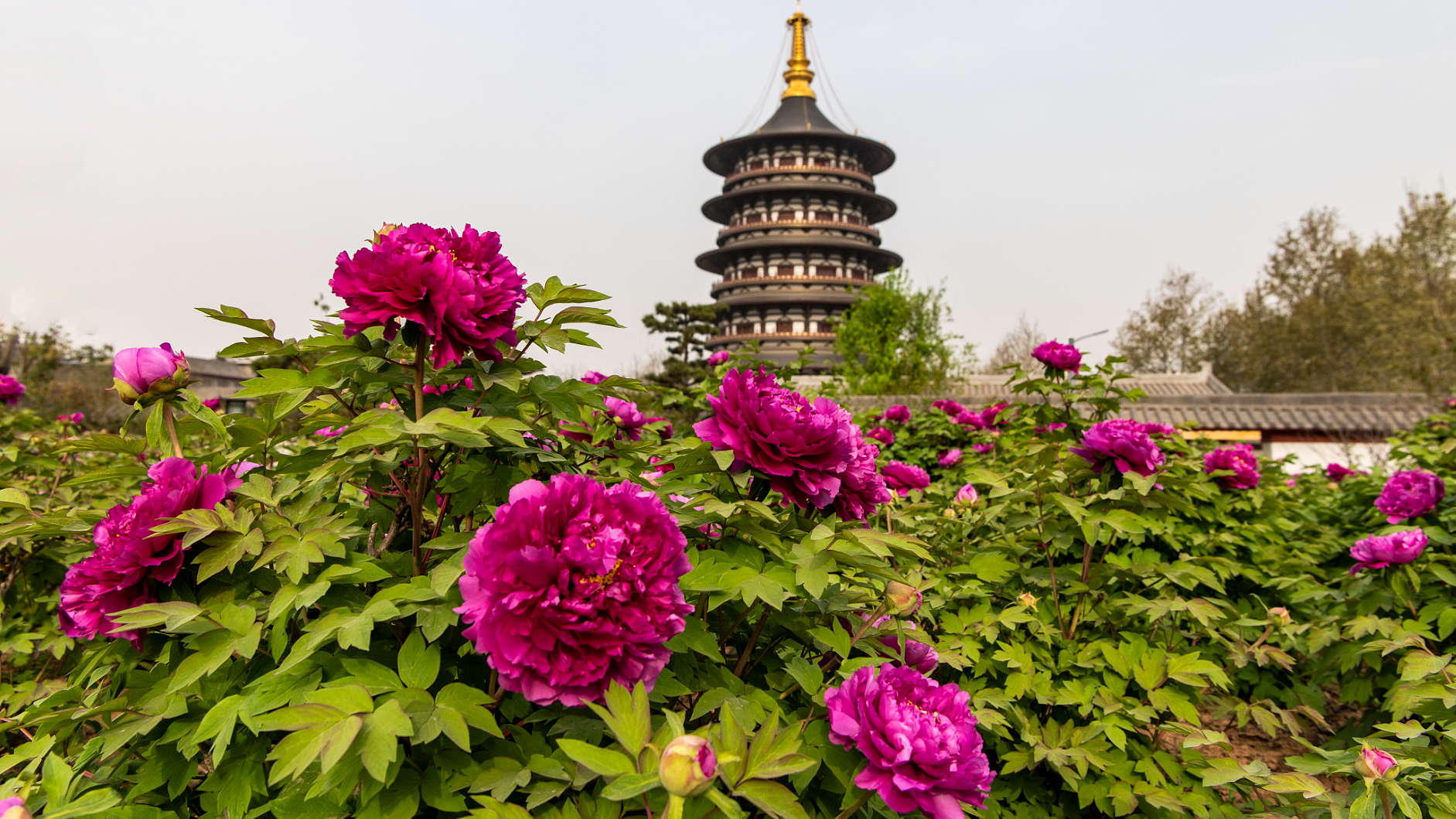
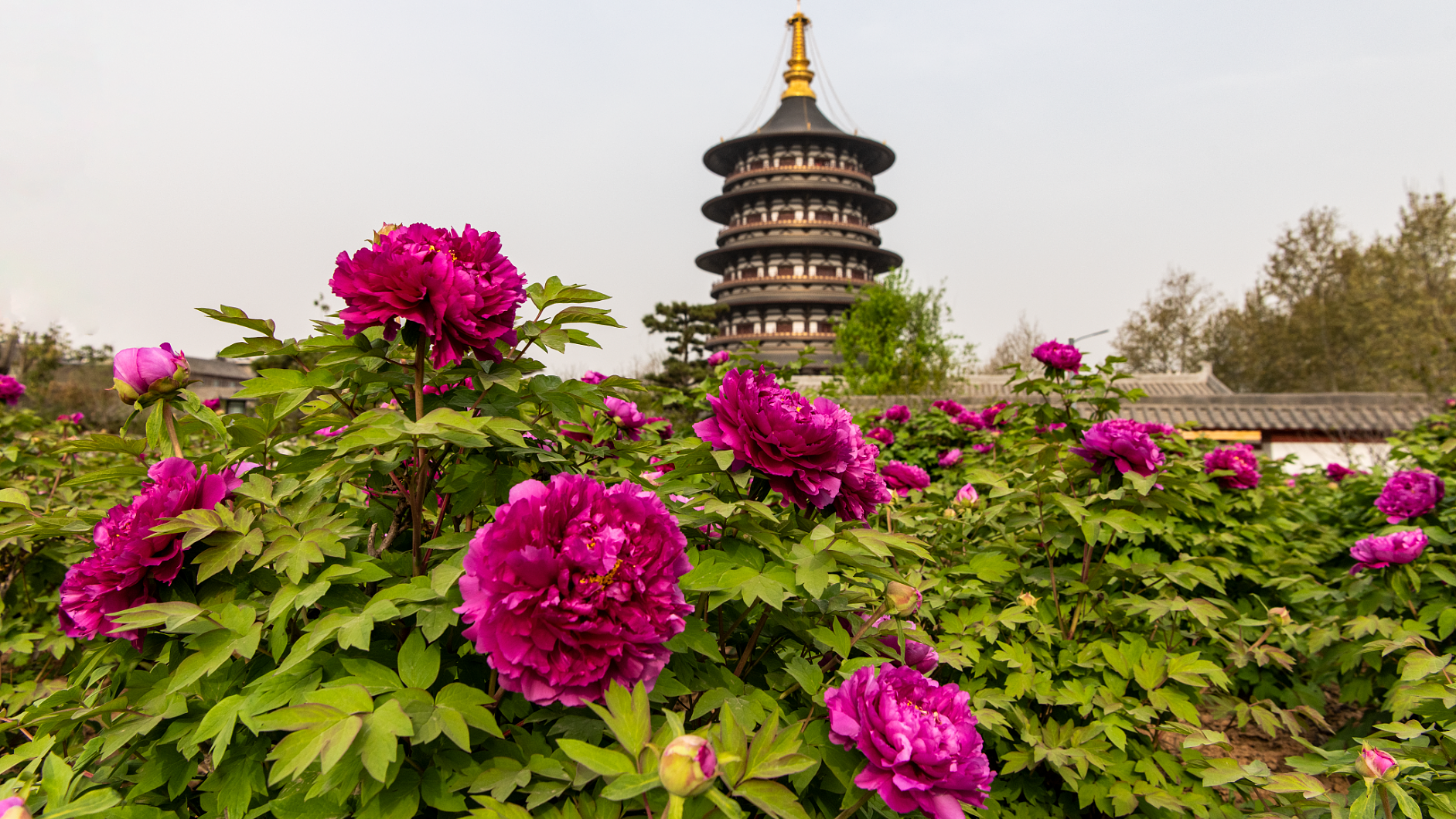
This plan deliberately omits several sites that appear on longer Luoyang itineraries. The Luoyang Ancient Tombs Museum, the Wangcheng Park peony festival in April, and the distant Yuntai Mountain scenic area all have genuine appeal. None of them fits cleanly into a two-day district-based route without sacrificing one of the core stops above.
If peonies are your priority, visit in April and swap the Sui-Tang park for Wangcheng Park. If ancient tomb art matters more than the old-city lanes, replace the Lijing Gate evening with the Ancient Tombs Museum — but check its opening hours carefully, as they vary by season. The district structure remains the same. Only the specific stops change.
Two days in Luoyang in China is enough for the essential arc: the Buddhist sculpture of Longmen, the archaeological depth of the museum, the lived texture of the old city, and the historical weight of White Horse Temple. What it cannot do is cover everything. Accept that early, and the two days become relaxed instead of frantic.
If you are planning a longer Henan route or need help deciding whether Luoyang fits your broader China itinerary, send us your draft schedule and travel dates. We will map the district logic onto your specific arrival and departure windows and tell you where the plan holds and where it breaks.
