
Blog
A Strategic Guide to Visiting the Longmen Grottoes

How to Prioritize Your Visit to the Longmen Grottoes
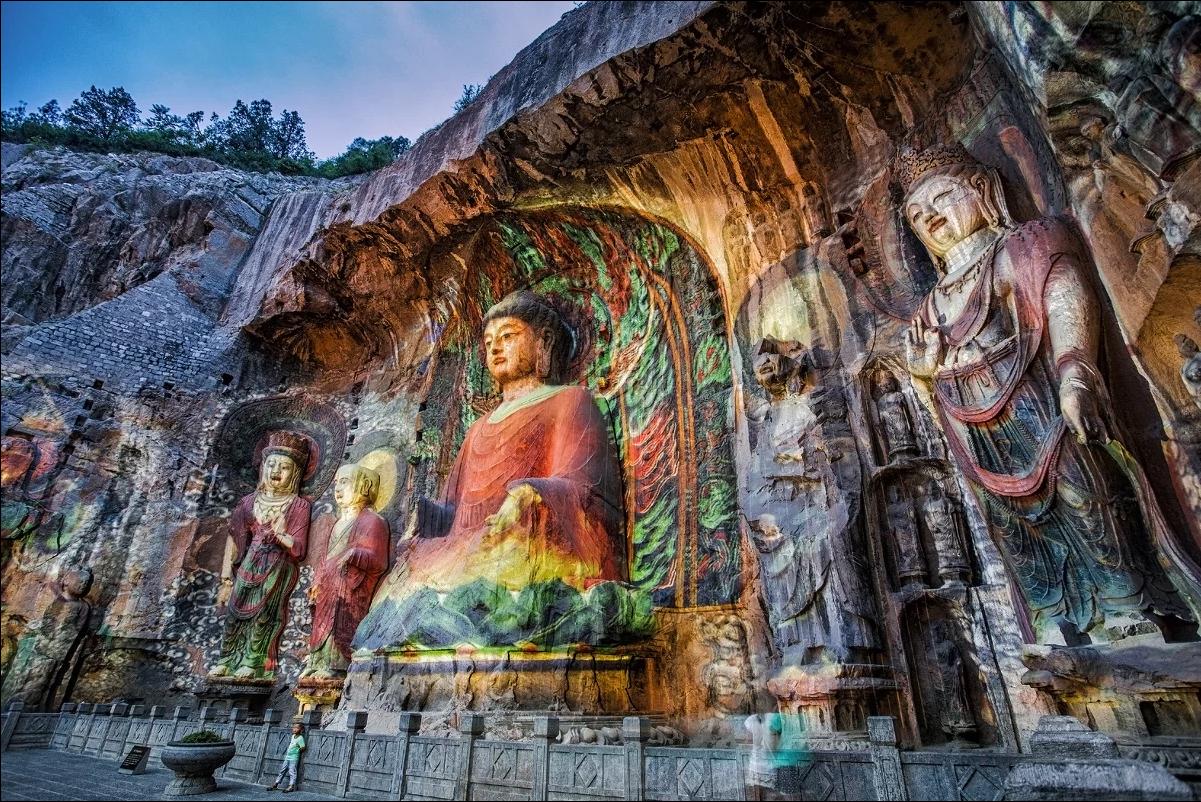
The sheer scale of the Longmen Grottoes can be overwhelming. As a vast complex of over 2,300 caves and niches carved into limestone cliffs, deciding what to see with limited time presents a significant logistical challenge. A haphazard approach often leads to exhaustion and missing the most historically significant works. This guide provides a clear, priority-based framework to help you structure your visit, ensuring you experience the artistic pinnacles of this UNESCO World Heritage Site without wasting valuable time.
We will break down the site into manageable priorities, allowing you to build an itinerary that matches your available time, from a quick half-day tour to a more comprehensive exploration. The focus is on maximizing the artistic and historical return on your investment of time and energy.
A Cave-Priority Matrix for Efficient Planning
Not all grottoes offer the same value to the visitor. Some are monumental artistic achievements, while others are smaller, more specialized, or require significant physical effort to reach. This matrix categorizes the key locations into three tiers—Essential, Recommended, and Optional—to help you make informed decisions on the ground. Each entry considers artistic importance, the physical effort required, and a realistic time allocation.
Using this matrix as a foundation for your visit is similar to applying a structured approach to project management; it helps you allocate resources effectively to achieve the most critical objectives first.
| Priority Tier | Cave / Location | Artistic Importance & Significance | Walking Effort & Location | Recommended Visit Time |
|---|---|---|---|---|
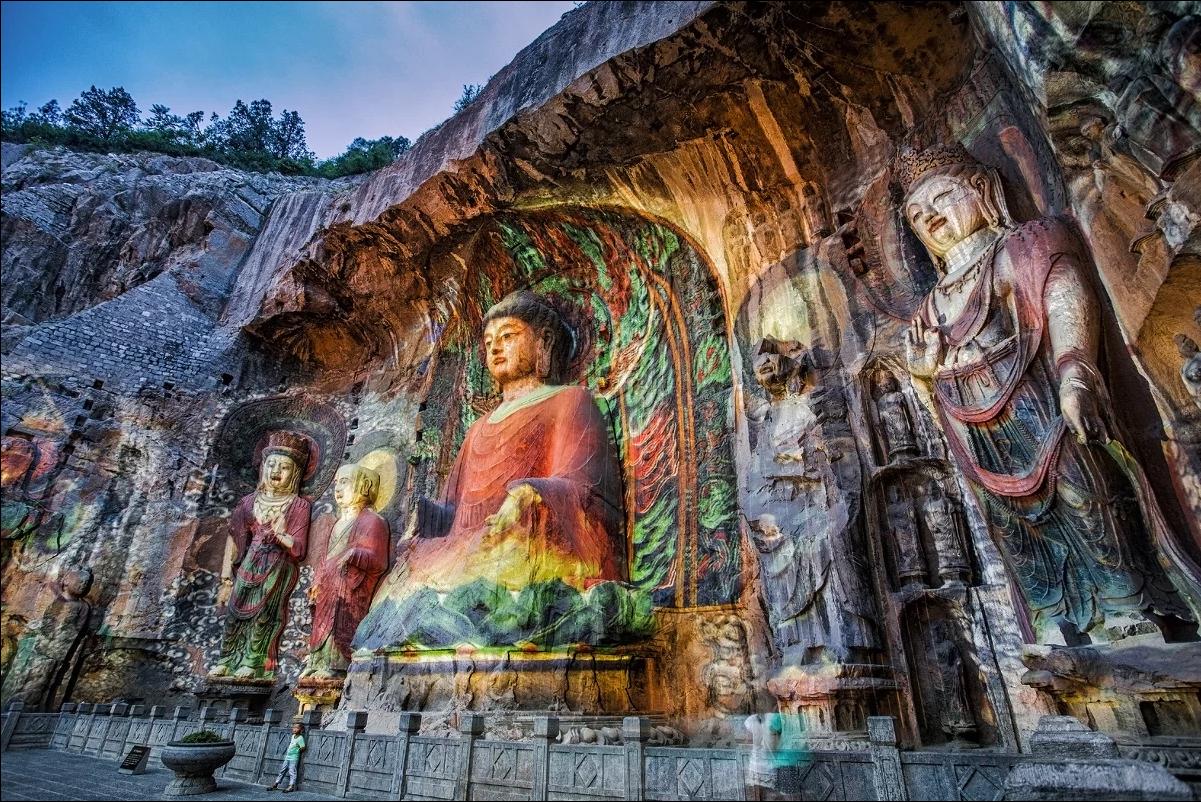
| Essential (Must-See) | Fengxian Temple (奉先寺) | The undisputed masterpiece of the grottoes. Features the colossal (over 17m) Vairocana Buddha, flanked by disciples and guardians. Represents the pinnacle of Tang Dynasty Buddhist sculpture. Missing this is missing the heart of Longmen. | Moderate. Located centrally on the West Hill. Involves a significant number of stairs down to the viewing platform. | 30-45 minutes |
| Essential (Must-See) | Central Binyang Cave (宾阳中洞) | An imperial commission from the Northern Wei Dynasty. Notable for its early style, featuring serene Buddhas and intricate carvings. It provides a crucial stylistic contrast to the later Tang Dynasty works. | Low. Located near the entrance on the West Hill, easily accessible. | 15-20 minutes |
| Essential (Must-See) | Guyang Cave (古阳洞) | The oldest and one of the most content-rich caves at Longmen. Densely filled with small niches commissioned by royalty and aristocrats. A treasure trove of Northern Wei calligraphy and sculpture. | Low-Moderate. On the main West Hill path, just south of Binyang. | 20-25 minutes |
| Recommended | Wanfo Cave (万佛洞) | “Cave of Ten Thousand Buddhas.” Named for the more than 15,000 tiny Buddha figures carved into its walls. An incredible display of detailed craftsmanship from the Tang Dynasty. | Moderate. Located further south on the West Hill path, requires more walking. | 15 minutes |
| Recommended | Lianhua Cave (莲花洞) | “Lotus Flower Cave.” Named for the large, exquisitely carved lotus flower in its ceiling. A prime example of the delicate and refined sculptural style of the Northern Wei period. | Moderate. Located near Wanfo Cave on the West Hill. | 10-15 minutes |
| Optional (If Time Permits) | Medical Prescription Cave (药方洞) | Historically fascinating, this cave has over 140 medical prescriptions for various ailments carved at its entrance, reflecting the synthesis of religion and practical life in ancient China. | Moderate-High. Located towards the southern end of the West Hill. The value is more historical than purely artistic. | 10 minutes |
| Optional (If Time Permits) | East Hill Grottoes & Xiangshan Temple | Offers a panoramic view of the main West Hill grottoes. The caves here are fewer and generally less artistically significant, but the perspective across the Yi River is breathtaking. | High. Requires crossing the river via a bridge and climbing a separate set of stairs. Adds significant walking distance. | 45-60 minutes (including walk) |
Common Itinerary Mistakes and How to Avoid Them
An effective plan involves not only knowing what to see but also understanding the common pitfalls of navigating the Longmen Grottoes. Awareness of the site’s layout and flow can prevent backtracking and exhaustion. Here are critical mistakes to avoid.
-
Mistake 1: Not Following the One-Way Route.
The Problem: The main path along the West Hill is largely a one-way system, flowing from north (entrance) to south. Attempting to go against this flow, especially during busy periods, is difficult and inefficient. You will waste energy fighting crowds and may be directed back by staff.
The Solution: Always start at the main northern entrance and proceed south along the West Hill cliff face. Complete your tour of the West Hill caves first, then cross the bridge at the southern end to visit the East Hill, Xiangshan Temple, and Bai Garden before exiting.
-
Mistake 2: Underestimating the Amount of Walking and Stairs.
The Problem: The site is vast, and the path involves thousands of steps, some of which are steep and uneven. Many visitors, particularly those on tight schedules, underestimate the physical demand and become fatigued before seeing all the essential grottoes.
The Solution: Wear comfortable, sturdy walking shoes. Pace yourself and use the matrix above to decide in advance if high-effort optional sites are worth your energy. If mobility is a concern, focus strictly on the “Essential” tier caves, which are clustered closer to the entrance.
-
Mistake 3: Skipping the East Hill Entirely.
The Problem: After the overwhelming artistic density of the West Hill, many visitors are tired and skip the East Hill. While its caves are less spectacular, skipping it means missing the iconic panoramic view of the entire West Hill complex reflected in the Yi River.
The Solution: If energy is low, at least cross the bridge and walk partway up the East Hill path. The vantage point for photography and appreciating the scale of the site is unparalleled and provides a crucial context for what you’ve just seen up close.
-
Mistake 4: Ignoring the Time of Day.
The Problem: The West Hill faces east. Visiting in the early morning provides the best natural light for viewing and photography. In the late afternoon, the cliffs can be in shadow, obscuring details. The site can also become extremely crowded mid-day.
The Solution: Plan to arrive as early as possible after opening. You will enjoy better light, cooler temperatures, and fewer crowds, which is essential for appreciating the solemnity and detail of the carvings. This is a key part of any effective logistical framework.
A Step-by-Step Visitor’s Checklist
To translate your priorities into a seamless visit, follow this structured checklist. This ensures all logistical aspects are covered before and during your time at the grottoes, preventing common issues that can disrupt your experience. This kind of detailed preparation is crucial for any complex project, including a cultural tour.
- Define Your Time Budget: Before you arrive, decide exactly how much time you can allocate.
- 2-3 Hours (Express): Focus exclusively on the “Essential” tier: Fengxian Temple, Binyang Caves, and Guyang Cave. This is a fast-paced walk.
- 4-5 Hours (Standard): Cover the “Essential” and “Recommended” tiers on the West Hill, then cross to the East Hill for the panoramic view. This is the most common and balanced approach.
- 6+ Hours (Comprehensive): Explore all tiers, including the optional caves, Xiangshan Temple, and the nearby Bai Garden (tomb of the poet Bai Juyi).
- Pre-Book Tickets: Purchase your tickets online through the official WeChat account or a reputable travel platform. This allows you to bypass the often-long ticket queues at the entrance, saving valuable time.
- Arrange Transportation: Plan your transport from Luoyang. Taxis or ride-hailing services are convenient. Public buses are a cost-effective option but require more time and understanding of the routes. Confirm your return transport plan in advance.
- Pack Essentials: Carry your passport (often required for ticket verification), water, sun protection (hat, sunscreen), and a portable battery charger for your phone/camera. There are limited vendors inside the scenic area.
- Execute the Route: Enter through the main north gate. Follow the one-way path south along the West Hill, visiting caves according to the priority plan you’ve established. Cross the bridge at the south end.
- Decide on the Return: After viewing the East Hill, you can either walk back along the eastern riverbank to the main entrance or take one of the electric carts (for a fee) that run from the east side back to the parking area. The cart is highly recommended if you are tired or short on time.
By systematically addressing these points, you can ensure your visit to the Longmen Grottoes is a rewarding and efficient cultural experience, rather than a tiring and disorganized one.
For assistance in developing a structured approach for your next complex project, contact our technical team.
