 By
By Exploring Luoyang in China: Beyond the Longmen Grottoes
Many travelers researching historical destinations in Asia immediately associate Luoyang in China with its globally renowned Longmen Grottoes. While these magnificent Buddhist cave carvings are undoubtedly a cornerstone of the city’s historical appeal, they represent only one facet of a profoundly rich cultural tapestry. For those seeking a comprehensive understanding of this ancient capital, delving deeper into what else Luoyang has to offer is essential for informed itinerary planning. Beyond the Grottoes, Luoyang in China holds centuries of dynastic history, groundbreaking religious sites, and expansive cultural institutions, each providing a unique lens into the nation’s past.
Comparison of Luoyang’s Major Site Types by Historical Period and Visitor Purpose
Understanding the distinct characteristics of Luoyang’s major attractions is crucial for any visitor, especially those with specific historical interests or limited time. The city’s historical sites can be broadly categorized into grottoes, temples, ancient-city districts, and museums, each offering a different historical period focus and catering to varied visitor purposes. This comparative overview helps to clarify what to expect from each type of site in Luoyang in China.
| Site Type | Primary Historical Period | Key Characteristics | Typical Visitor Purpose | When It Applies | When It Does NOT Apply |
|---|---|---|---|---|---|
| Grottoes (e.g., Longmen Grottoes) | Northern Wei to Tang Dynasties (5th-10th Century CE) | Massive Buddhist rock carvings, intricate statuary, religious art, historical inscriptions. | Appreciation of ancient religious art, monumental sculpture, architectural history, spiritual reflection. | Seeking large-scale, outdoor historical art; interested in Buddhist influence on Chinese culture. | Looking for indoor exhibits, modern city life, or complete dynastic overviews in one place. |
| Temples (e.g., White Horse Temple) | Eastern Han Dynasty onwards (1st Century CE – present) | Historical Buddhist architecture, monastic complexes, active religious practice, garden landscapes. | Understanding the origins of Buddhism in China, religious architecture, peaceful contemplation, cultural immersion. | Interested in the birthplace of Chinese Buddhism; seeking tranquil, spiritual settings; observing ongoing religious traditions. | Prioritizing archaeological ruins, contemporary art, or bustling market experiences. |
| Ancient-City Districts (e.g., Luoyang Old Town, Sui-Tang City Relics Park) | Ming/Qing Dynasties (Old Town); Sui/Tang Dynasties (Relics Park) | Restored historical streets, traditional architecture, local markets, food stalls, some archaeological ruins. | Experiencing traditional urban life, local cuisine, historical reconstruction, leisurely exploration. | Desiring a blend of history and local culture; interested in daily life from past eras; enjoying atmospheric walks. | Strictly seeking pristine, untouched archaeological sites; avoiding commercialized areas; focusing solely on religious art. |
| Museums (e.g., Luoyang Museum, Luoyang Ancient Art Museum) | Prehistoric to Ming/Qing Dynasties (various exhibits) | Indoor collections of artifacts, pottery, bronzes, jade, tomb murals, dynastic relics, interpretive displays. | Comprehensive historical overview, in-depth cultural education, protection from elements, detailed archaeological insights. | Preferring structured learning; wanting to see preserved artifacts up close; needing a chronological understanding of Luoyang’s history. | Seeking outdoor exploration, direct interaction with historical structures, or immersive local street experiences. |

This comparison highlights that while the Longmen Grottoes are spectacular, they represent a specific period and religious focus. To grasp the full historical weight of Luoyang in China, a broader approach incorporating temples, ancient districts, and museums offers a more complete narrative.
Navigating Luoyang’s Rich Dynastic Heritage
Beyond the iconic Longmen Grottoes, Luoyang served as the capital for numerous dynasties, leaving behind a wealth of historical sites that tell a compelling story of power, art, and philosophy. Exploring these diverse locations provides a deeper appreciation for the city’s pivotal role in Chinese history.
Ancient City Districts and Historical Parks
For a palpable sense of historical urban life, Luoyang offers distinct ancient-city experiences:
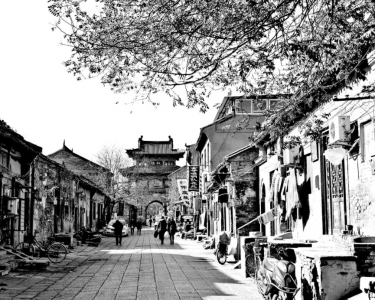
- Luoyang Old Town (Laocheng District): This area provides a glimpse into Ming and Qing Dynasty streetscapes. Visitors can wander through narrow alleys, observe traditional architecture, and sample local street food. It’s a vibrant, living historical district, ideal for those who appreciate cultural immersion alongside historical observation. Its limits are that while historically rich, much of it has been rebuilt or commercialized, so it’s not a purely archaeological experience.
- Sui-Tang Luoyang City National Heritage Park: This expansive park preserves the layout and some foundations of the Sui and Tang Dynasty capital. Key structures like the Mingtang and Paradises sites have been reconstructed, offering an imaginative reconstruction of imperial grandeur. It provides excellent context for understanding the scale and sophistication of ancient city planning. The reasoning for its value lies in its scale and the interpretive centers. However, it’s primarily a park with reconstructions, not original standing buildings.
Seminal Temples and Religious Sites
Luoyang is not just a hub for Buddhist grottoes; it is also home to foundational religious institutions.
- White Horse Temple (Baima Si): Widely regarded as the first Buddhist temple in China, established in 68 CE during the Eastern Han Dynasty. This temple is a spiritual landmark, housing ancient relics, beautiful gardens, and active monastic life. Visiting the White Horse Temple offers a profound sense of historical continuity and the opportunity to witness the enduring legacy of Buddhism. The scenario it fits is for those interested in religious history and tranquil settings. Its limits are that while historically significant, many current structures are later reconstructions.
Comprehensive Museums for Historical Insights
For a structured and artifact-rich understanding of Luoyang’s millennia-long history, its museums are indispensable.
- Luoyang Museum: This modern museum houses an extensive collection of artifacts spanning from the prehistoric era through various dynasties. Exhibits include pottery, bronze ware, jade, and intricate funerary objects unearthed from local archaeological sites. It provides a chronological narrative of Luoyang’s importance as an ancient capital. The reasoning for visiting is its comprehensive coverage and well-preserved relics. Its limits are that it’s an indoor experience, which some visitors might find less engaging than outdoor sites.
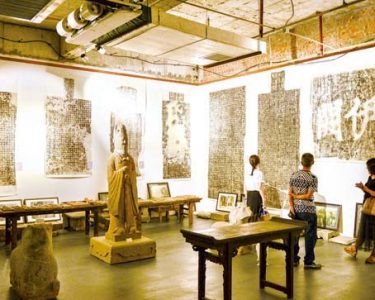
- Luoyang Ancient Art Museum (Guanlin Temple): While Guanlin Temple itself is dedicated to Guan Yu, a deified general, the adjacent Ancient Art Museum often features unique collections, including tomb murals and stone carvings. This museum is particularly valuable for those interested in the artistic expressions and burial customs of ancient Luoyang inhabitants. It offers niche insights into specific art forms, complementing the broader collections of the main city museum.

Strategic Planning for Your Luoyang Itinerary
Optimizing your visit to Luoyang in China requires careful planning, especially when aiming to explore beyond the most famous sites. A structured approach ensures you leverage the city’s diverse offerings effectively.
Buyer’s Decision Checklist for Luoyang Itinerary Planning
Before finalizing your Luoyang travel plans, consider these crucial points to ensure a productive and enriching experience. This checklist helps align your interests with the city’s offerings, preventing common oversights.
- Define Your Historical Focus:
- Conclusion: Prioritize sites based on specific dynastic periods or cultural themes (e.g., early Buddhism, Tang Dynasty grandeur, Ming/Qing urban life).
- Reasoning: Luoyang spans over 13 dynasties; attempting to see everything superficially dilutes the experience.
- Scenario: If passionate about early Buddhism, focus on Longmen Grottoes and White Horse Temple.
- Limits: If aiming for a general overview, allow flexibility, but still group sites by era or proximity.
- Allocate Time Realistically:
- Conclusion: Assign sufficient time for each major site, considering travel between them.
- Reasoning: Sites like Longmen Grottoes or the Sui-Tang City Park can take half a day or more.
- Scenario: Allow at least 3-4 hours for Longmen Grottoes, 2-3 hours for White Horse Temple, and 2-3 hours for Luoyang Museum.
- Limits: Do not cram more than 2-3 major sites into a single day, especially if they are far apart.
- Consider Logistics and Transportation:
- Conclusion: Research transportation options (taxis, buses, ride-sharing) between sites in advance.
- Reasoning: Luoyang’s sites are spread out; efficient transport saves valuable time.
- Scenario: Calculate travel times from your accommodation to sites like the Old Town, then to Longmen Grottoes.
- Limits: Relying solely on public transport for tight schedules might be inefficient; private car hire offers more flexibility.
- Account for Seasonality and Crowds:
- Conclusion: Adjust your visit timing to avoid peak tourist seasons or major holidays.
- Reasoning: Overcrowding can detract from the experience at popular sites.
- Scenario: Spring and autumn generally offer pleasant weather and fewer crowds than summer or national holidays.
- Limits: Some sites, like museums, are less affected by weather but still see increased visitors during holidays.
- Integrate Local Cuisine and Culture:
- Conclusion: Plan specific times to explore local markets and sample Luoyang’s distinct culinary offerings.
- Reasoning: Food is an integral part of cultural immersion and provides a break from historical touring.
- Scenario: Dedicate an evening to exploring the Old Town’s food streets for local delicacies like Luoyang Shui Xi (water feast).
- Limits: Do not let culinary pursuits overshadow your primary historical objectives if time is very limited.
By thoughtfully addressing these points, you can craft an itinerary that not only includes the magnificence of the Longmen Grottoes but also thoroughly explores the extensive historical and cultural depth of Luoyang in China. This comprehensive approach ensures a more informed and rewarding engagement with one of China’s most significant ancient cities.
Exploring Luoyang in China offers a journey through millennia of history, far beyond its most famous grottoes. By understanding the distinct nature of its various attractions—from ancient temples to comprehensive museums and vibrant old town districts—visitors can craft an itinerary that truly captures the essence of this dynastic capital.
To gain further insights into planning your business trip or extended stay in the region, feel free to submit your specific inquiry.