
Blog
How to Navigate the Horse Temple’s International Shrines

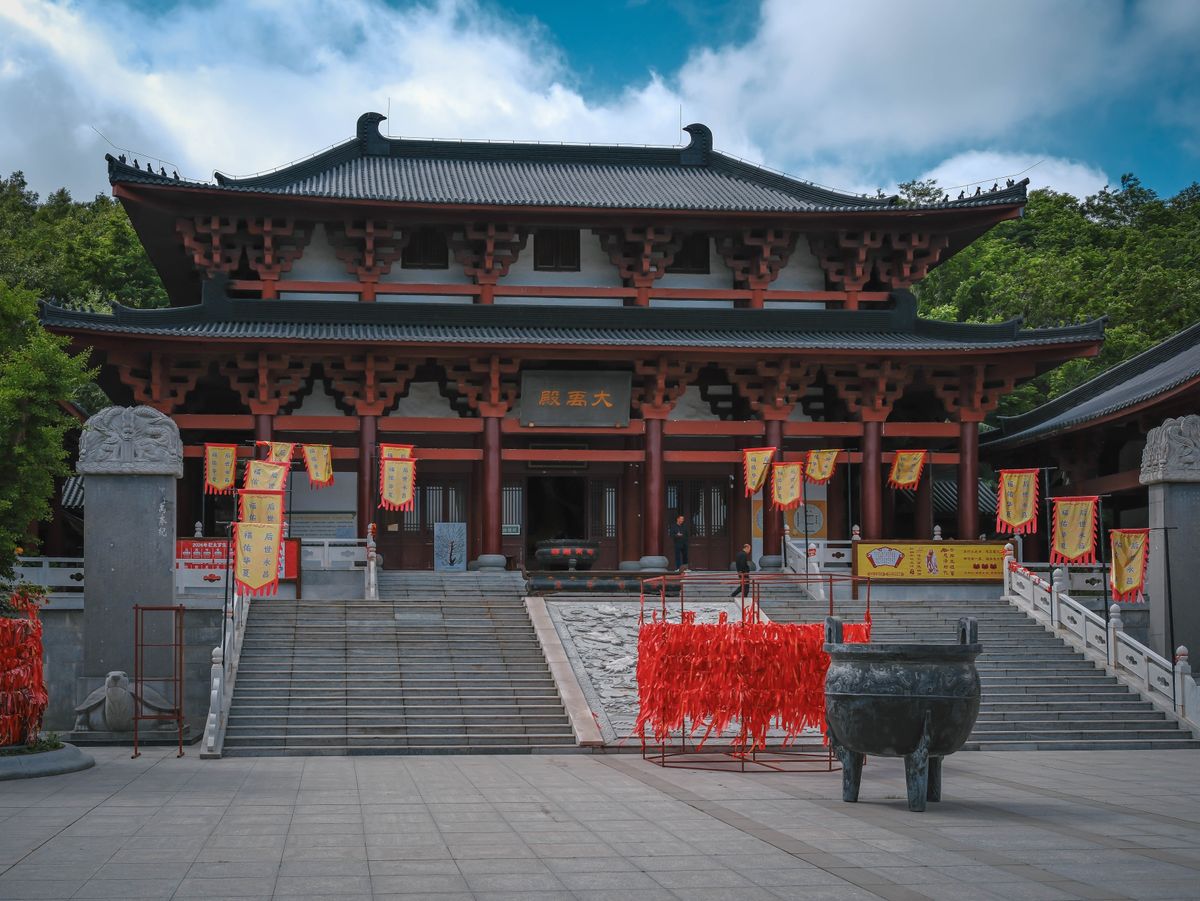
How to Find the Global Buddhist Shrines at the Horse Temple Beyond Its Main Halls
Visitors researching a trip to the horse temple usually ask one practical question: where exactly are the international shrine buildings, and how do they differ from the original historic halls? This matters because most guidebooks and tour itineraries focus almost entirely on the ancient core structures, leaving the newer Indian, Thai, Myanmar, and other international pavilions as an afterthought — or skipping them entirely. If you’re planning a self-guided visit and want to prioritize the global shrine sections rather than just the classical Chinese halls, you need a route plan, not a general overview.
The horse temple complex, located in Luoyang, Henan Province, is widely referenced as one of the earliest known Buddhist temple sites in China following the religion’s transmission along the Silk Road. Over recent decades, the site expanded to include separate garden-style shrine areas donated or built in cooperation with Buddhist communities from India, Thailand, and Myanmar. These sit apart from the original halls, often in their own walled sections, and each follows a distinct architectural tradition rather than mimicking the temple’s Chinese-style layout.
Why the International Shrine Areas Get Overlooked
Most visitors spend their first hour at the entrance halls — the Bell Tower, the main worship halls, and the pagoda — simply because these are closest to the ticket gate. The international shrine sections are usually positioned further into the grounds or along separate garden paths, and signage transitioning between zones is not always prominent. Tour groups on a fixed schedule frequently skip these areas altogether to stay on time.
The practical result: travelers who only have half a day often leave without seeing the Thai-style gilded stupa or the Indian sanchi-inspired structure, even though these sections are architecturally distinct and photographically rewarding. If comparative Buddhist architecture is your main interest, you need to plan your route backward from the far end of the complex rather than starting at the entrance and working forward.
On-Site Action: How to Identify and Navigate the Indian, Thai, Myanmar, and Other International Structures
Use this step-by-step approach once you’re inside the grounds. It’s designed for a self-guided visit where prioritizing the global shrine sections is the goal.
Step-by-step navigation procedure
- Get an on-site map at the entrance booth. Paper maps distributed at the ticket counter typically mark the international sections in a distinct color block, separate from the main historic halls. Digital maps on review apps are frequently outdated — always confirm with the physical map first.
- Identify the walled sub-compounds. The Indian, Thai, and Myanmar shrine areas are each enclosed separately, not open-plan like the main courtyard. Look for a secondary gate or archway distinct from the main hall’s entrance — this is your visual cue that you’ve reached a national shrine zone.
- Match architectural cues to origin. The Indian-style structure typically uses a domed or hemispherical stupa form with carved stone relief panels. The Thai shrine is identifiable by a tall, narrow, gilded spire (chedi-style) and steep multi-tiered roof lines. The Myanmar shrine generally presents a gold-toned bell-shaped stupa with a layered terrace base. If you’re unsure which is which, check the small plaque near the entry gate — most sections post a country-of-origin marker.
- Walk the perimeter path, not just the center. Many visitors enter a shrine courtyard, take a photo at the center structure, and leave — missing surrounding cloisters or secondary statues placed along the compound walls. Circling the perimeter typically reveals smaller devotional details easy to miss from the center.
- Sequence your visit from farthest to nearest. Because most tourist traffic clusters near the main halls early in the visit, start your route at the international shrine sections (usually toward the rear or side of the complex) and work back toward the entrance. This avoids crowding and reduces the chance of running out of time before reaching the far sections.
Common failure points and why they happen
- Starting at the main halls first: visitors spend 60-90 minutes at the historic core, then rush or skip the international sections due to time pressure or fatigue.
- Relying only on phone map apps: app-based maps for temple complexes are often community-edited and miss newer additions or renamed sections.
- Assuming all shrine buildings are open to enter: some international structures are viewing-only exteriors with restricted interior access — check posted signage rather than assuming entry is allowed.
- Visiting during peak midday hours: photography of gilded or reflective surfaces (common on the Thai and Myanmar structures) is harder in direct overhead sun; early morning or late afternoon light works better.
Comparing the Three Main International Shrine Styles
Because these structures are easy to confuse at a glance, a side-by-side comparison helps before you arrive on-site.
| Shrine Origin | Typical Structural Form | Visual Identifiers | Best Suited For |
|---|---|---|---|
| India | Dome-shaped stupa, stone relief carving | Hemispherical top, carved narrative panels along the base | Visitors interested in early Buddhist iconography and stone relief work |
| Thailand | Tall gilded chedi with tiered roofline | Gold spire, steep angular roof tiers | Photography-focused visits, especially in soft morning light |
| Myanmar | Bell-shaped gold stupa on layered terrace | Rounded bell form, terraced platform base | Visitors comparing Southeast Asian Theravada architecture styles |
Building a Realistic Half-Day Route
If your available time is limited — a common scenario for business travelers routing through Luoyang on a layover or short regional trip — sequencing matters more than trying to see everything.
- Under 2 hours available: Skip the deep historic hall tour and go directly to the international shrine cluster. This suits visitors whose main interest is comparative Buddhist architecture rather than Chinese temple history specifically.
- Half-day (3-4 hours): Start at the international shrines first (least crowded early), then move toward the historic core halls, finishing at the pagoda near the exit.
- Full day: No strict sequencing needed — but still visit the international sections in the first two hours to catch better light for photography and avoid the midday crowd crossover from tour buses.
This same “outer sections first” logic applies broadly to large temple or heritage complexes — a principle also useful when researching other multi-zone religious sites before travel.
A Practical Checklist Before You Go
- Confirm current opening hours for the international shrine sections separately — these sometimes differ slightly from the main complex hours.
- Bring a printed or saved offline map; on-site WiFi is not guaranteed near the rear sections.
- Wear comfortable footwear — the walking distance between the main halls and the farthest international shrine can be significant across the full complex.
- Check dress code expectations before entering any shrine interior, as some sections restrict entry based on attire.
- Plan camera settings for gilded surfaces in advance if visiting midday, since reflective gold structures are difficult to photograph in direct sun.
For teams organizing group itineraries, corporate retreats, or cultural tour packages that include the horse temple as a stop, mapping this route in advance saves meaningful time on-site and avoids the common mistake of running out of daylight before reaching the international shrine sections. If you’re preparing a group visit plan or need a layout reference sheet, reach out and we can help you outline a workable itinerary in advance.
About LyWOW Tours
LyWOW is a locally based travel agency in Luoyang, specializing in private tours for international travelers across Luoyang, Shaolin, Xi’an and Central China. English-speaking guides, flexible itineraries and door-to-door service.
Learn more about us or browse all our tours.
