
Blog
How to Plan a Visit to White Horse Temple Luoyang

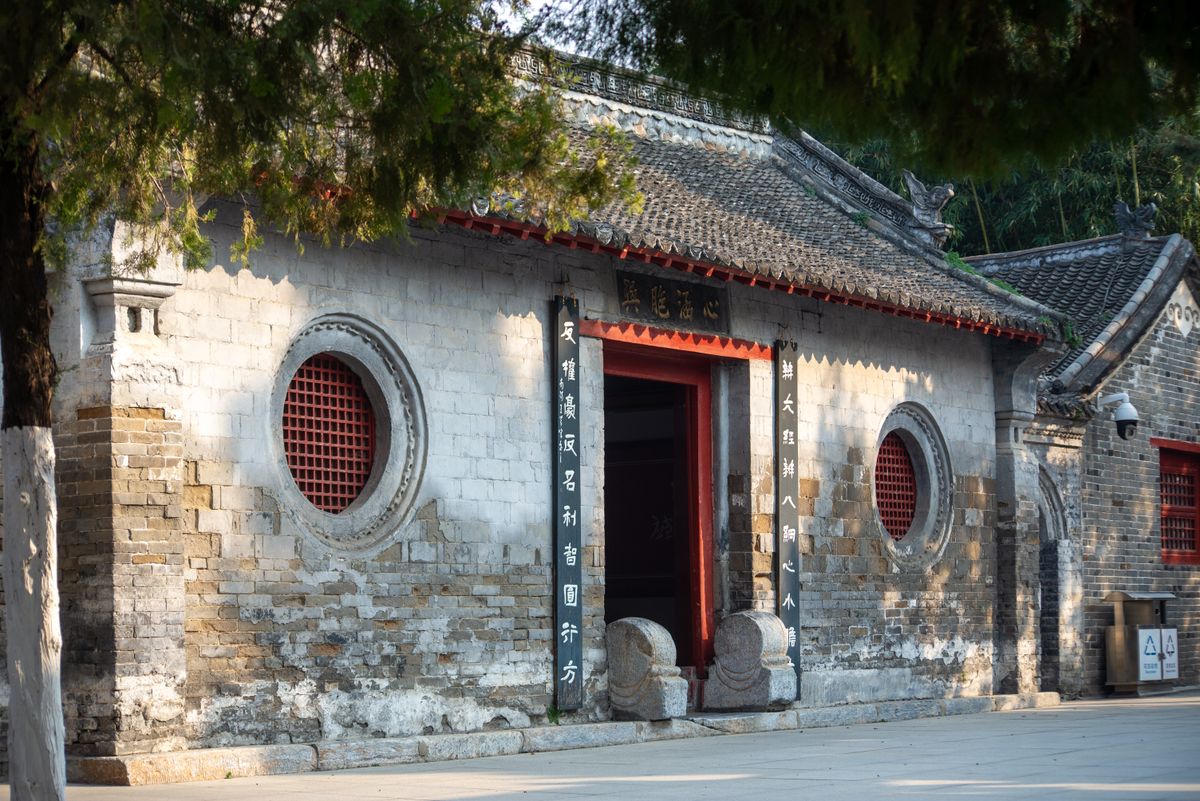
How to Plan a Visit to White Horse Temple Luoyang
Travelers researching Luoyang often hit the same wall: general itineraries mention the site but skip the operational details — how to actually get there, when to arrive, and how the grounds are organized once you’re inside. White Horse Temple Luoyang is frequently cited as one of the earliest Buddhist temples established in China after the religion’s introduction from Central Asia, which makes it a common stop for anyone tracing early Buddhism history along historic trade routes. But historical significance alone doesn’t answer the practical question: how do you build a visit that doesn’t waste half a day on logistics?
This guide walks through the transport, timing, and layout decisions that actually affect how much you see and how comfortable the visit feels.
Getting There From Central Luoyang
The temple sits outside the main urban core, roughly a 25-30 minute drive from central Luoyang depending on traffic and your starting point near the train station or city center. This distance shapes almost every other decision in your plan.
- Taxi or ride-hailing app: Fastest and most flexible option. Best for travelers with limited time or those combining the temple with another nearby stop the same day. Drawback: return trips can be harder to arrange from the temple side if you arrive during low-traffic hours, since fewer cars circulate that far from downtown.
- Public bus: Budget-friendly but slower — expect the trip to take noticeably longer than a taxi, and buses run on fixed schedules that may not match your ideal arrival window. This works fine if your day has no tight follow-on plans.
- Private car or hotel-arranged transport: Good middle ground for families or small groups. You lock in a return time, which removes the main uncertainty of the bus option.
Common mistake: assuming a same-day round trip combined with two or three other distant sites is realistic. The drive alone eats into your window, and rushing the temple grounds defeats the purpose of visiting a site built around slow, contemplative walking.
Entry Timing — When to Arrive and Why It Matters
Arrival timing affects three things: crowd density, light quality for photos, and how much of the site you can comfortably cover before fatigue sets in.
| Arrival Window | Crowd Level | Best For | Limitation |
|---|---|---|---|
| Early morning (right at opening) | Low | Quiet photography, unhurried walking pace | Some areas may still be in shadow for photos |
| Mid-morning to early afternoon | Moderate to high | Travelers combining the visit with lunch nearby | Larger tour groups often cluster in this window |
| Late afternoon | Low to moderate | Softer light, fewer groups | Less time buffer if you want to explore every hall thoroughly |
If your priority is a calm, unhurried walk through both the historic core and the international zones, arriving close to opening time is the more reliable choice. If your schedule only allows a midday slot, plan for a slower pace and accept that some courtyards will have more visitors.
Building a Practical Visit Plan — Transport, Timing, and Zone Layout Together
The most efficient way to plan is to treat transport, entry timing, and the site’s zone structure as one connected decision, not three separate ones. Here’s a step-by-step approach:
- Fix your arrival time first. Decide whether you want the early, quiet window or a later, more flexible one. This single choice determines your transport method — early arrivals favor a taxi or private car since public buses may not run early enough to match a first-opening arrival.
- Confirm your return transport before you leave. Because the temple is 25-30 minutes from downtown, do not assume a taxi will be readily available right outside when you’re ready to leave. Arranging a driver to wait, or booking a return ride in advance through an app, avoids standing around after a long walk.
- Plan your route through the grounds by zone, not randomly. The site is generally understood in two broad sections: the older historic temple core, with its traditional halls and courtyards, and a newer international zone featuring structures built in styles associated with other Buddhist countries. Walking the historic core first, then moving to the international section, tends to work better than crisscrossing back and forth, since the two areas have different architectural pacing and visitors often want more time in the older core.
- Budget at least two to three hours on-site. Rushing through both zones in under an hour means skipping detail in the halls that make the historic section worth visiting in the first place.
- Leave a buffer for the walk back to your transport pickup point. The grounds are larger than first-time visitors expect, and the international zone in particular can sit at a distance from the main entrance.
Where this plan does not apply: if you’re on an organized group tour, transport and timing are usually fixed by the operator, so steps 1-2 above become irrelevant — your main task is confirming how much free time you’ll actually have inside once the group parks, and whether that time covers both zones or just the historic core.
Common Planning Mistakes to Avoid
- Underestimating transport time. Treating the temple as a “quick add-on” near downtown Luoyang leads to rushed visits or missed return transport.
- Ignoring the international zone entirely. Many visitors focus only on the historic core and don’t realize a second distinct section exists, then run out of time to see it.
- Arriving without a return plan. This is the single most common complaint among independent travelers — no easy way back once the visit ends.
- Overpacking the day’s itinerary. Pairing this visit with two or three other distant Luoyang sites on the same day usually means shortchanging all of them.
A Sample Half-Day Itinerary
For a traveler based near central Luoyang wanting a realistic, unhurried visit:
- 7:30 AM — Depart hotel by taxi or private car (approx. 25-30 minutes)
- 8:00 AM — Arrive at opening time, begin with the historic temple core
- 9:30 AM — Transition to the international zone, walking at a relaxed pace
- 10:45 AM — Begin walk back toward the main entrance and pickup point
- 11:15 AM — Depart back to central Luoyang for lunch
This schedule leaves the rest of the day open for one additional nearby stop, rather than cramming multiple distant sites into a single day. If you’re mapping out the rest of your Luoyang travel itinerary, it helps to treat this temple visit as a half-day anchor rather than a brief stop squeezed between other attractions.

Decision Checklist Before You Go
- Have you fixed an arrival time — early for quiet, or midday for convenience?
- Do you have a confirmed return transport plan, not just a one-way trip?
- Have you allotted at least two to three hours to cover both zones properly?
- Does your broader day’s plan avoid stacking too many distant sites together?
- If on a group tour, do you know exactly how much free walking time you’ll get inside?
Getting these five points settled before you leave your hotel removes most of the friction independent travelers run into at White Horse Temple Luoyang. For travelers building out a longer Henan province route, this half-day structure also slots cleanly alongside other regional stops without forcing a rushed schedule. If you need help refining a multi-day Luoyang itinerary around this visit, feel free to reach out — we’re happy to share planning notes based on common visitor questions.
About LyWOW Tours
LyWOW is a locally based travel agency in Luoyang, specializing in private tours for international travelers across Luoyang, Shaolin, Xi’an and Central China. English-speaking guides, flexible itineraries and door-to-door service.
Learn more about us or browse all our tours.