
Blog
Longmen Caves AP Art History: Northern Wei vs. Tang Styles

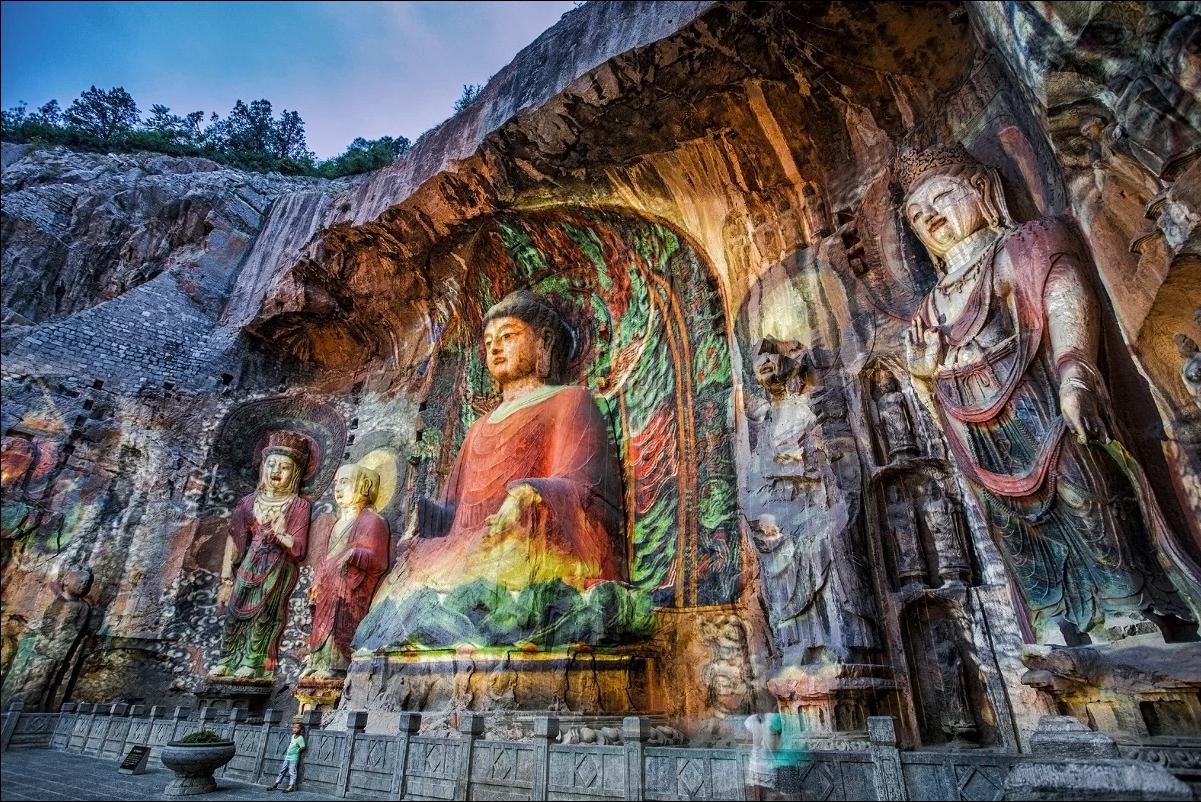
Understanding Chronological Styles: A Visual Guide to Longmen Caves AP Art History
Distinguishing between the sculptural styles of the Northern Wei and Tang Dynasties at the Longmen Caves is a critical skill for AP Art History students. Misidentifying these distinct periods can lead to an incorrect understanding of artistic evolution, cultural influences, and patronage shifts in Chinese Buddhist art. This guide provides a detailed breakdown of the visual characteristics that define each era, offering a framework for precise visual analysis and ensuring an accurate historical context for your study of the Longmen Grottoes. Mastering these differences is essential for interpreting the rich narrative embedded within the stone carvings of this UNESCO World Heritage site, a cornerstone of Chinese art history.
The Distinctive Visual Language of Northern Wei Sculpture at Longmen
The Northern Wei dynasty (386–534 CE) left an indelible mark on the Longmen Caves, particularly evident in its early sculptural traditions. The style is characterized by a unique blend of foreign influences and emerging Chinese aesthetic preferences, reflecting a period of intense cultural exchange and the consolidation of Buddhist faith in China. For those studying Northern Wei sculpture, a keen eye for specific details is paramount.
Northern Wei figures at Longmen often exhibit an ethereal quality, a deliberate departure from earlier, more robust forms. This aesthetic choice reflects a spiritual focus, emphasizing transcendence over earthly physicality. The figures are typically slender and elongated, suggesting a state of spiritual contemplation rather than corporeal presence. Their facial expressions are often characterized by the “archaic smile”—a subtle, almost enigmatic grin that conveys serenity and detachment.
Drapery is another hallmark of the Northern Wei style. It is rendered in a highly stylized manner, often appearing as waterfall-like folds that cascade down the body in sharp, linear patterns. This “waterfall drapery” or “wet drapery” effect creates a sense of movement and lightness, yet the overall pose remains rigid and frontal. The figures are typically depicted in a hieratic, motionless posture, reinforcing their iconic and symbolic function. The emphasis here is on pattern and line rather than the natural fall of fabric.
Key characteristics of Northern Wei sculpture for visual analysis:
* **Elongated Figures:** Proportions are stretched, creating a tall, slender silhouette.
* **Rigid Poses:** Figures are typically frontal, stiff, and symmetrical, conveying formality and spiritual gravitas.
* **”Archaic Smile”:** A subtle, enigmatic smile that suggests inner peace and detachment.
* **Linear Drapery:** Clothes are rendered in thin, sharp, cascading folds, often with a “waterfall” or “wet drapery” effect, emphasizing line over volume.
* **Stylized Hair/Headdresses:** Often features intricate, formal patterns.
* **Less Volume:** Figures possess a flatter, more two-dimensional quality compared to later styles.
Tang Dynasty Sculpture: Naturalism, Volume, and Imperial Grandeur
The Tang Dynasty (618–907 CE) ushered in a new golden age for Chinese art, marked by unprecedented prosperity, cosmopolitanism, and a renewed emphasis on naturalism. At the Longmen Caves, Tang sculptures present a striking contrast to their Northern Wei predecessors, reflecting a shift in artistic ideals and imperial patronage. The Tang style is often associated with the full flowering of Buddhist art in China, characterized by a more humanistic and approachable aesthetic.
Tang figures are renowned for their robust, voluminous forms. Unlike the slender Northern Wei figures, Tang sculptures embrace the naturalistic depiction of the human body, conveying strength, vitality, and often a sense of earthly opulence. Faces are fuller, with more rounded cheeks and sensuous lips, and expressions are more varied, ranging from compassionate benevolence to fierce guardianship. The “archaic smile” gives way to a broader spectrum of lifelike emotions.
Drapery in Tang sculpture also undergoes a significant transformation. Rather than the linear, stylized folds of the Northern Wei, Tang artists depicted fabric with a greater sense of weight and naturalistic fall. The drapery appears softer, more flowing, and contributes to the overall three-dimensionality of the figures, revealing the body beneath. Poses become more dynamic and relaxed, often with slight contrapposto, breaking the rigid frontality of earlier works. This greater realism reflects a more worldly and confident imperial court, where Buddhism was deeply integrated into society. The colossal scale of some Tang carvings, such as the Vairocana Buddha in the Fengxian Temple, further underscores the imperial patronage and grand vision of the era.
Key characteristics of Tang Dynasty sculpture for visual analysis:
* **Voluminous Figures:** Full, rounded, and naturalistic body forms, conveying strength and vitality.
* **Naturalistic Expressions:** Faces are fuller with more varied, lifelike emotions, moving beyond the “archaic smile.”
* **Fluid Drapery:** Clothes are depicted with a sense of weight and natural flow, revealing the body’s contours underneath.
* **Dynamic Poses:** Figures often exhibit subtle contrapposto or more relaxed, less rigid postures.
* **Imperial Scale:** Monumental size, especially in key grottoes, reflecting the power and wealth of the Tang court.
* **Three-Dimensionality:** A strong sense of depth and realism, with figures often appearing to emerge from the stone.
Comparative Analysis: Northern Wei vs. Tang Styles for AP Visual Analysis
For effective AP visual analysis of the Longmen Caves, understanding the direct contrasts between Northern Wei and Tang styles is paramount. These distinctions are not merely aesthetic preferences but reflect profound shifts in religious interpretation, imperial patronage, and cultural exchange. Misinterpreting these stylistic cues can lead to an inaccurate dating of a piece, an incorrect attribution of its underlying philosophy, or a failure to fully grasp the historical narrative it represents.
The table below highlights the key comparative points, outlining what each characteristic signifies and the implications for your art historical interpretation if misidentified.
| Visual Feature | Northern Wei Style (Early 6th Century) | Tang Dynasty Style (Mid-7th to Early 8th Century) | Implication of Misidentification for AP Analysis |
|---|---|---|---|
| Figure Proportions | Elongated, slender, and somewhat flat. Emphasizes spiritual grace over physical form. | Voluminous, rounded, and naturalistic. Emphasizes human vitality and presence. | Incorrectly attributing an elongated figure to Tang could miss the early spiritual focus; misattributing a voluminous figure to Northern Wei would ignore the shift to naturalism. |
| Facial Expression | “Archaic smile”—subtle, enigmatic, serene, detached. | Fuller faces, varied expressions (benevolent, stern, compassionate), more lifelike. | Failing to recognize the “archaic smile” misses a key Northern Wei identifier. Overlooking varied expressions in Tang ignores cosmopolitan influences and emotional range. |
| Drapery | Linear, sharp, cascading folds (waterfall/wet drapery), emphasizing pattern and line. | Fluid, heavy, naturalistic folds, revealing body contours, emphasizing volume and realism. | Confusing linear drapery with fluid drapery obscures the evolution from stylized representation to naturalistic depiction of fabric. |
| Pose | Rigid, frontal, symmetrical, hieratic. Conveys formality and spiritual authority. | More relaxed, often with subtle contrapposto or dynamic movement. Conveys dynamism and humanistic approach. | Misinterpreting a rigid pose as Tang ignores Northern Wei’s formal iconic tradition; misinterpreting a dynamic pose as Northern Wei misses the Tang’s embrace of movement. |
| Overall Impression | Ethereal, transcendental, spiritual, stylized. | Earthly, powerful, naturalistic, imperial, grand. | An inaccurate overall impression leads to a flawed understanding of the period’s dominant cultural and religious values. |
Avoiding Common Identification Errors in Longmen Caves AP Art History
Successful visual analysis requires meticulous attention to detail and a systematic approach. Students often make common mistakes when differentiating Northern Wei and Tang styles, primarily due to superficial observation or a lack of understanding of the underlying art historical contexts. By being aware of these pitfalls, you can enhance the accuracy of your identifications at the Longmen Caves and improve your performance in AP Art History.
Here is a checklist to guide your visual analysis and help you avoid common errors:
* **Focus Beyond the Head:** Many students focus solely on the face. While facial features are important, examine the entire figure. Is the body elongated or voluminous? What is the overall posture?
* **Drapery is Key:** Pay close attention to how the robes are rendered. Are the folds sharp, linear, and stylized, resembling a waterfall? (Northern Wei). Or are they soft, heavy, and naturalistic, showing the form beneath? (Tang).
* **Context of Scale:** While not always definitive, Northern Wei figures tend to be smaller or part of smaller niches, whereas Tang figures, especially the major ones, often exhibit monumental, imperial scale. Do not use this as the sole indicator, but as supporting evidence.
* **Check for Movement:** Is the figure stiffly frontal and symmetrical, or is there a subtle shift in weight, a turn of the head, or a more relaxed stance? The presence of naturalistic movement points towards Tang.
* **Consider the Setting:** While both styles exist at Longmen, certain grottoes or sections are predominantly from one period. For instance, the Binyang Caves show strong Northern Wei influence, while the Fengxian Temple is distinctly Tang. However, be cautious, as some areas show overlapping or transitional styles.
* **Avoid Generalizations:** Do not assume all early figures are Northern Wei and all later figures are Tang. While generally true, there are transitional periods and regional variations. Always rely on concrete visual evidence.
* **Practice with Specific Examples:** Actively compare images of known Northern Wei figures (e.g., from Binyang Central Cave) with known Tang figures (e.g., Vairocana Buddha at Fengxian Temple) to train your eye.
Contextualizing Longmen: Beyond Pure Style
While stylistic analysis is crucial, a comprehensive understanding of the Longmen Caves for AP Art History extends beyond merely identifying visual characteristics. The evolution from Northern Wei to Tang styles reflects broader historical, religious, and political shifts. The Northern Wei period saw Buddhism gaining official patronage, leading to the creation of devout, often austere, imagery that underscored spiritual devotion during a time of political fragmentation. The emphasis was on the otherworldly and the symbolic.
Conversely, the Tang Dynasty, a period of immense imperial power and cultural exchange along the Silk Road, fostered an environment where Buddhist art became more worldly, humane, and grand. The cosmopolitan nature of Tang society meant influences from India and Central Asia were readily absorbed and reinterpreted, leading to the full, sensuous forms and naturalistic details we see in Tang sculptures. The colossal scale of Tang works, particularly under Empress Wu Zetian, directly communicated imperial authority and the vastness of the Buddhist cosmos, aligning the ruler with the Buddha himself. Therefore, when analyzing these sculptures, consider not just *what* they look like, but *why* they look that way, connecting visual evidence to historical context, patronage, and cultural values.
For deeper insights into historical analysis or specific project requirements concerning the visual evolution of art and its historical context, contact our technical team.
About LyWOW Tours
LyWOW is a locally based travel agency in Luoyang, specializing in private tours for international travelers across Luoyang, Shaolin, Xi’an and Central China. English-speaking guides, flexible itineraries and door-to-door service.
Learn more about us or browse all our tours.
