Understanding the Modern Layout of Luoyang City China Beyond Its Ancient Core
Luoyang, a city steeped in millennia of history, often evokes images of ancient dynasties, imperial capitals, and profound cultural heritage. While its ancient core remains a powerful draw, the contemporary urban landscape of Luoyang City China is a vibrant, expanding metropolis that extends far beyond its historical boundaries. For first-time visitors, researchers, or businesses considering engagement with this dynamic region, understanding the modern organization of Luoyang is crucial for navigating its diverse offerings, from burgeoning economic zones to serene residential areas.
This article aims to provide a clear spatial context, distinguishing the city’s renowned heritage areas from its modern administrative divisions and contemporary infrastructure. By exploring how Luoyang has evolved, we can better appreciate its blend of historical reverence and forward-thinking urban development.
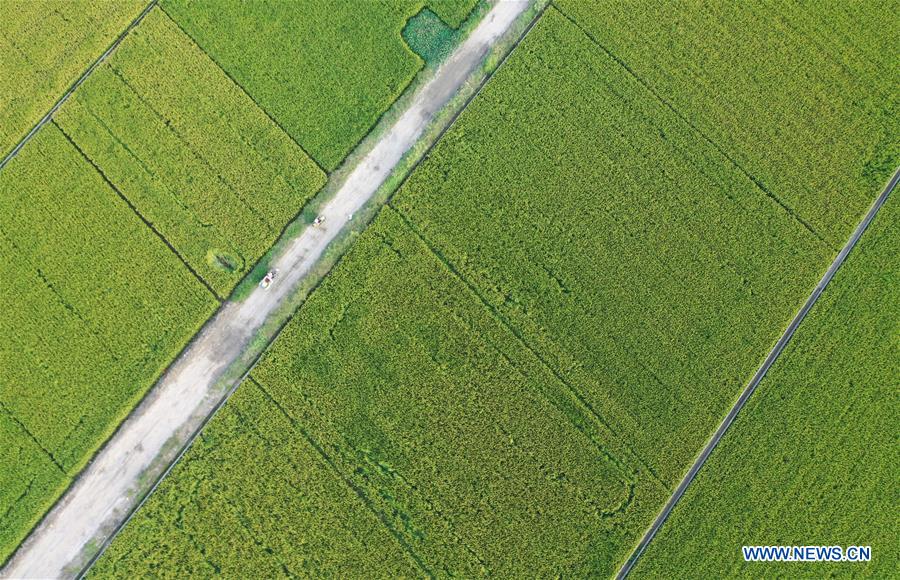
Luoyang’s Enduring Geography and Historical Foundations
At the heart of Luoyang’s enduring significance lies its strategic geography. Situated on the central plain of China, cradled by the Luo and Yellow rivers, its fertile lands and defensible position made it a natural choice for numerous imperial capitals throughout history. This legacy has indelibly shaped its identity, with sites like the Longmen Grottoes and the White Horse Temple standing as testaments to its historical prominence. The ancient core of Luoyang, primarily encompassing what is now known as Laocheng District and parts of Chanhe Hui District, retains much of this historical character, with traditional architecture, cultural markets, and a slower pace of life that contrasts with the city’s newer developments.
However, modern Luoyang is not merely a collection of historical relics. Over centuries, and particularly in recent decades, the city has expanded dramatically, driven by economic growth and population increases. This expansion has necessitated the development of new districts, each with its own character and function, creating a complex urban tapestry that respects its past while vigorously building its future. Understanding this historical foundation is key to appreciating how the modern city has been organized, often with the ancient core serving as a focal point around which newer developments radiate. This organic growth has resulted in a fascinating interplay between old and new, where centuries-old traditions meet contemporary urban planning.
Navigating Luoyang’s Modern Administrative Districts
Beyond its ancient heart, Luoyang is structured into several key administrative districts, each contributing uniquely to the city’s overall functionality and appeal. These districts offer distinct environments for living, working, and commerce, providing a comprehensive overview of the spatial organization of Luoyang City China.
- Xigong District: Often considered the contemporary commercial and political hub, Xigong is characterized by its bustling shopping streets, government offices, and modern high-rise buildings. It represents the vibrant economic pulse of Luoyang, attracting both local businesses and those seeking a dynamic urban environment.
- Jianxi District: Primarily a residential area, Jianxi has seen significant development in recent years, featuring modern housing complexes, educational institutions, and new commercial centers. It offers a more suburban feel compared to Xigong, balancing urban amenities with a focus on community living.
- Laocheng District: As its name suggests (“Old City”), Laocheng is the historical core, where ancient streets, traditional markets, and historical sites are preserved. While deeply rooted in the past, it also integrates modern conveniences, making it a unique blend of heritage and everyday life.
- Chanhe Hui District: This district is known for its industrial base and a significant residential population, including a notable Hui Muslim community that adds a distinct cultural flavor. It plays a vital role in the city’s manufacturing and logistical framework.
- Luolong District: Located to the south and east of the older districts, Luolong is one of Luoyang’s newest and fastest-developing areas. It is home to the city’s high-speed rail station, modern universities, and emerging technology parks. This district exemplifies Luoyang’s push towards modernization and innovation, with substantial investment in new infrastructure and urban planning. For those interested in the future economic trajectory of the city, Luolong offers significant insights into its growth strategy.
Each district serves a specific purpose, from preserving historical narratives to fostering new industries and accommodating a growing population. This administrative structure allows for targeted development and resource allocation, ensuring that both the ancient heritage and the modern demands of the city are met. Businesses and individuals looking to establish a presence in Luoyang will find that each district presents a different set of opportunities and a unique environment.
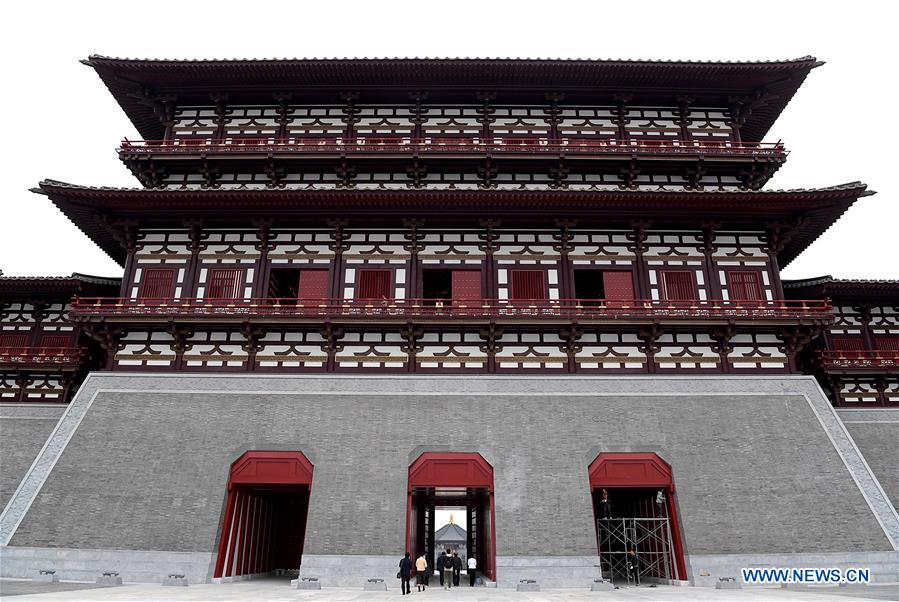
The Interplay of Ancient Heritage and Contemporary Urban Planning
The essence of Luoyang’s organization lies in its remarkable ability to integrate its profound ancient heritage with the demands of contemporary urban planning. This isn’t merely about preserving historical sites; it’s about weaving them into a living, breathing city that continues to evolve. Modern infrastructure, including extensive road networks, public transportation systems, and advanced communication facilities, seamlessly connects the historical core with the newer, expansive districts.
Urban planners in Luoyang face the continuous challenge of balancing preservation with progress. This involves careful zoning regulations, sustainable development practices, and investment in green spaces that enhance the quality of life across all districts. For instance, while Laocheng District maintains its historical architecture and narrow lanes, Luolong District boasts wide boulevards and modern commercial complexes, designed to accommodate significant growth and innovation. This dual approach ensures that Luoyang remains attractive to both tourists seeking cultural immersion and businesses looking for modern infrastructure and economic opportunities.
The city’s strategic development also includes specialized zones, such as the Luoyang High-tech Industrial Development Zone, which spearheads innovation and attracts enterprises in cutting-edge fields. These zones are crucial for the city’s economic diversification and its role in the broader regional economy. Understanding these specialized areas, alongside the general administrative districts, provides a complete picture of Luoyang’s multifaceted urban strategy.
Moreover, the integration extends to the cultural fabric itself. Modern cultural centers and educational institutions are designed to complement the historical narrative, ensuring that Luoyang’s rich past continues to inspire its future generations. This careful planning ensures that the city thrives as a center for both historical research and modern enterprise. To learn more about how urban development impacts regional economies, you might wish to explore our insights.
Connecting Ancient Heritage with Modern Development
Luoyang’s journey from an ancient capital to a modern metropolitan area is a testament to its resilience and adaptive capacity. The city’s organization, with its clearly defined administrative districts and strategic development zones, provides a framework for understanding its diverse functions. From the historical depth of Laocheng to the modern dynamism of Luolong, each part contributes to the city’s overall character and economic vitality.
For visitors, this layered organization means a richer experience, allowing one to transition from ancient temples to modern shopping malls within a short distance. For businesses, it signifies a city with varied investment opportunities, from tourism and cultural industries in the older areas to manufacturing and technology in the newer districts. The commitment to integrating its past with a forward-looking urban strategy makes Luoyang a compelling subject for study and engagement.
Ultimately, Luoyang is more than just a historical landmark; it is a living, evolving urban center that masterfully manages the complexities of growth while honoring its profound heritage. Its organized structure beyond the ancient core is a key factor in its continued development and an important aspect for anyone seeking to understand this remarkable Chinese city. If you have further questions about regional development or urban planning, feel free to connect with our specialists. For additional information on our services, please read our company overview.
===META===