How to Strategically Plan Your Visit to China Luoyang
Planning a trip to a city with millennia of history can be a significant undertaking. For business and independent travelers, an efficient itinerary is key to maximizing time and experiencing the cultural depth of a destination. This is particularly true for a visit to China Luoyang, a city in Henan province that served as the capital for numerous ancient dynasties. Its historical sites are spread out, making a logistical plan essential for a productive and enjoyable visit. Instead of simply listing attractions, a more effective approach is to structure your travel around the city’s modern transportation infrastructure—specifically its railway system—and group key sites into geographical zones.
This guide provides a framework for organizing your journey. By understanding Luoyang’s primary rail hubs and dividing its major attractions into logical zones, you can create a seamless travel plan that minimizes transit time and allows for a deeper appreciation of this remarkable historical center.
Understanding Luoyang’s Key Railway Gateways
Your logistical planning for Luoyang begins before you even arrive, with the selection of the appropriate railway station. The city is served by two major train stations, each with distinct advantages depending on your point of origin and your planned itinerary.
Luoyang Longmen Railway Station (洛阳龙门站)
This is the city’s primary high-speed rail hub. If you are traveling from major metropolitan areas like Beijing, Shanghai, Xi’an, or Guangzhou, your journey on a G-series or D-series bullet train will almost certainly terminate here. Its strategic location on the south side of the city makes it the ideal arrival point for visitors prioritizing the world-famous Longmen Grottoes, which are located nearby. The station is modern, well-organized, and directly connected to the city’s developing metro system, providing efficient onward connections to the urban core.
Luoyang Railway Station (洛阳站)
Located more centrally, Luoyang Railway Station is the city’s older, more traditional rail hub. It primarily serves conventional-speed trains (K, T, and Z series) that connect to a wide range of destinations across China. While some high-speed trains do stop here, it is less common. Arriving at this station places you closer to the old town and the central hotel district. For travelers on a flexible schedule or coming from regional destinations not on the main high-speed lines, this station can be a convenient option. However, be prepared for longer transit times to the major sites located on the city’s periphery.
Choosing the right station is the first step in an efficient travel plan. For most international and long-distance domestic travelers, Luoyang Longmen Station offers the best combination of speed and proximity to a major landmark.
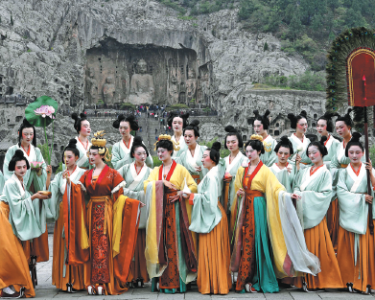
Zone 1: The Southern Heritage Corridor
This zone is defined by Luoyang’s most iconic attraction and is the logical starting point for many visitors, especially those arriving at Luoyang Longmen Station.
Primary Attraction: Longmen Grottoes (龙门石窟)
A UNESCO World Heritage site, the Longmen Grottoes are a breathtaking collection of nearly 100,000 Buddhist statues carved into the limestone cliffs along the Yi River. The work spans several centuries, with the most significant contributions made during the Northern Wei and Tang dynasties. The sheer scale and artistry on display are a testament to the region’s historical importance as a center for culture and religion.
Logistical Planning:
- Proximity: The grottoes are located just a short drive from Luoyang Longmen Railway Station. This proximity allows for a highly efficient itinerary where you can visit the site directly after arrival or just before departure, minimizing the need to cross the entire city with luggage.
- Time Allocation: A thorough visit requires a minimum of three to four hours. The site is extensive, involving considerable walking along both banks of the river. Comfortable footwear is essential.
- Transportation: From Luoyang Longmen Station, a taxi or ride-sharing service is the most direct option. Public buses are also available but may require transfers and a longer travel time. From the city center, numerous bus routes service the attraction.
By dedicating a distinct block of time to this southern zone, you can immerse yourself in this world-class site without feeling rushed.
Zone 2: The Eastern Cradle of Buddhism
Situated to the east of the old city walls, this zone is home to another landmark of immense religious and historical significance for the country.
Primary Attraction: White Horse Temple (白马寺)
Often credited as the first Buddhist temple in China, the White Horse Temple holds a foundational place in the history of Chinese Buddhism. Established in the Eastern Han Dynasty, the temple complex has been rebuilt and expanded over the centuries. Today, it not only features traditional Chinese temple architecture but also includes an impressive international zone with temple replicas from countries like India, Thailand, and Myanmar, showcasing a global Buddhist community.
Logistical Planning:
- Location: The temple is located approximately 12 kilometers east of the city center. It is geographically separate from the other major attractions.
- Time Allocation: Plan for at least two to three hours to explore the main temple complex and the adjacent international sections.
- Transportation: Access from the city center is most commonly achieved via public bus or taxi. The journey can take 30-45 minutes depending on traffic. It is advisable to group this visit on a separate day or half-day from the Longmen Grottoes to avoid a long, cross-city transfer.
Visiting the White Horse Temple offers a profound look into the origins of Buddhism’s spread in China and is a key part of the rich history of China Luoyang.
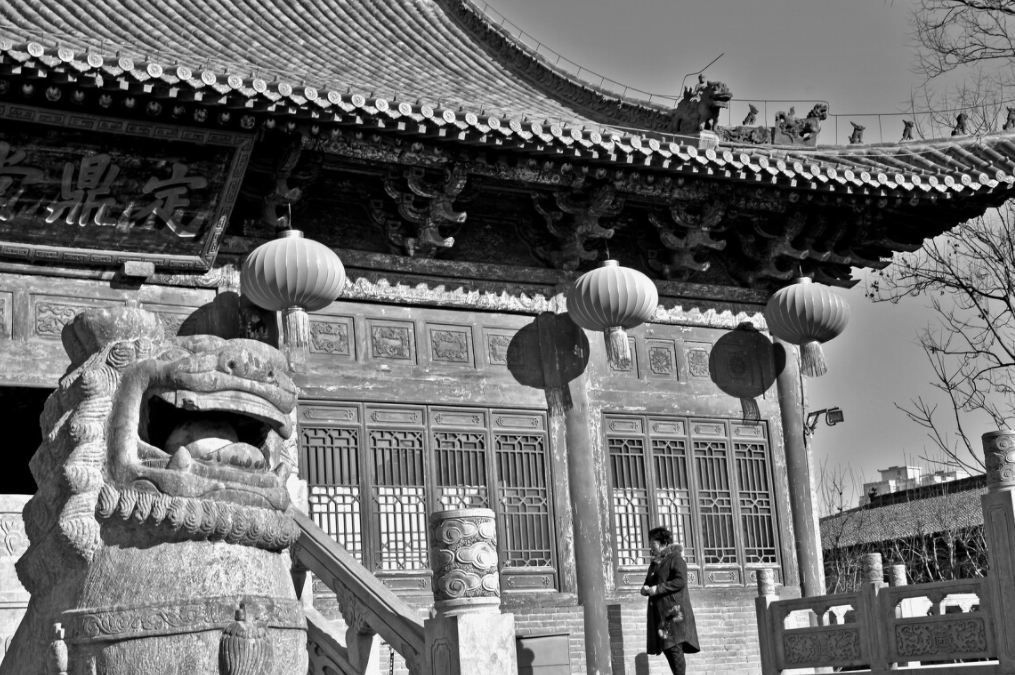
Zone 3: The Urban Core and Historical Axis
The central urban area of Luoyang is not just a commercial and residential hub; it is layered with history, from ancient city ruins to a vibrant old town. This zone contains several important sites that can be explored together.
Luoyang Museum and Sui-Tang Dynasty Sites
To contextualize the vast history you see at the outdoor sites, a visit to the Luoyang Museum is invaluable. Its collection includes an array of artifacts unearthed in the region, spanning from prehistoric times through the many dynasties that called the area home. Nearby, the Sui-Tang Luoyang City National Heritage Park offers a glimpse into the layout and grandeur of the capital during its peak, featuring reconstructions of imperial halls like Mingtang and Tiantang.
Lijing Gate and the Old Town (Laoji)
For a more atmospheric experience, the area around Lijing Gate, a reconstruction of one of the old city gates, is the entrance to the bustling Old Town. The streets here are lined with traditional-style buildings housing shops, restaurants, and snack vendors. It is an excellent place to spend an evening, sample local cuisine, and observe daily life. This part of your visit to China Luoyang provides a cultural counterpoint to the solemnity of the major historical monuments.
Logistical Planning:
- Connectivity: This central zone is the easiest to navigate. The city’s metro system, buses, and abundant taxis make it simple to travel between the museum, the Sui-Tang park, and the Old Town.
- Flexibility: These sites can be woven into your itinerary as full-day or half-day activities. The Old Town, in particular, is best experienced in the late afternoon and evening when it comes alive.
Synthesizing Your Zonal Itinerary
Using this zonal approach, you can assemble a logical and efficient travel plan. Consider the following sample two-day itinerary:
Day 1: Southern and Central Exploration
- Morning: Arrive at Luoyang Longmen Station. Store luggage or check into a nearby hotel.
- Afternoon: Dedicate 3-4 hours to a comprehensive visit of the Longmen Grottoes (Southern Zone).
- Evening: Travel to the city center. Explore the Old Town and Lijing Gate area (Urban Core), enjoying dinner at a local restaurant.
Day 2: Eastern and Central Immersion
- Morning: Travel to the White Horse Temple (Eastern Zone) and spend 2-3 hours exploring the complex.
- Afternoon: Return to the city center and visit the Luoyang Museum and/or the Sui-Tang Luoyang City National Heritage Park (Urban Core).
- Evening: Depart from either Luoyang Longmen Station or Luoyang Station.
This structured approach ensures that your travel within China Luoyang is purposeful, preventing backtracking and wasted time. By aligning your arrival and departure with a zonal exploration plan, you can fully engage with the profound history and cultural richness this ancient capital has to offer.