 By
By How to Plan a White Horse Temple Visit by Hall and Era
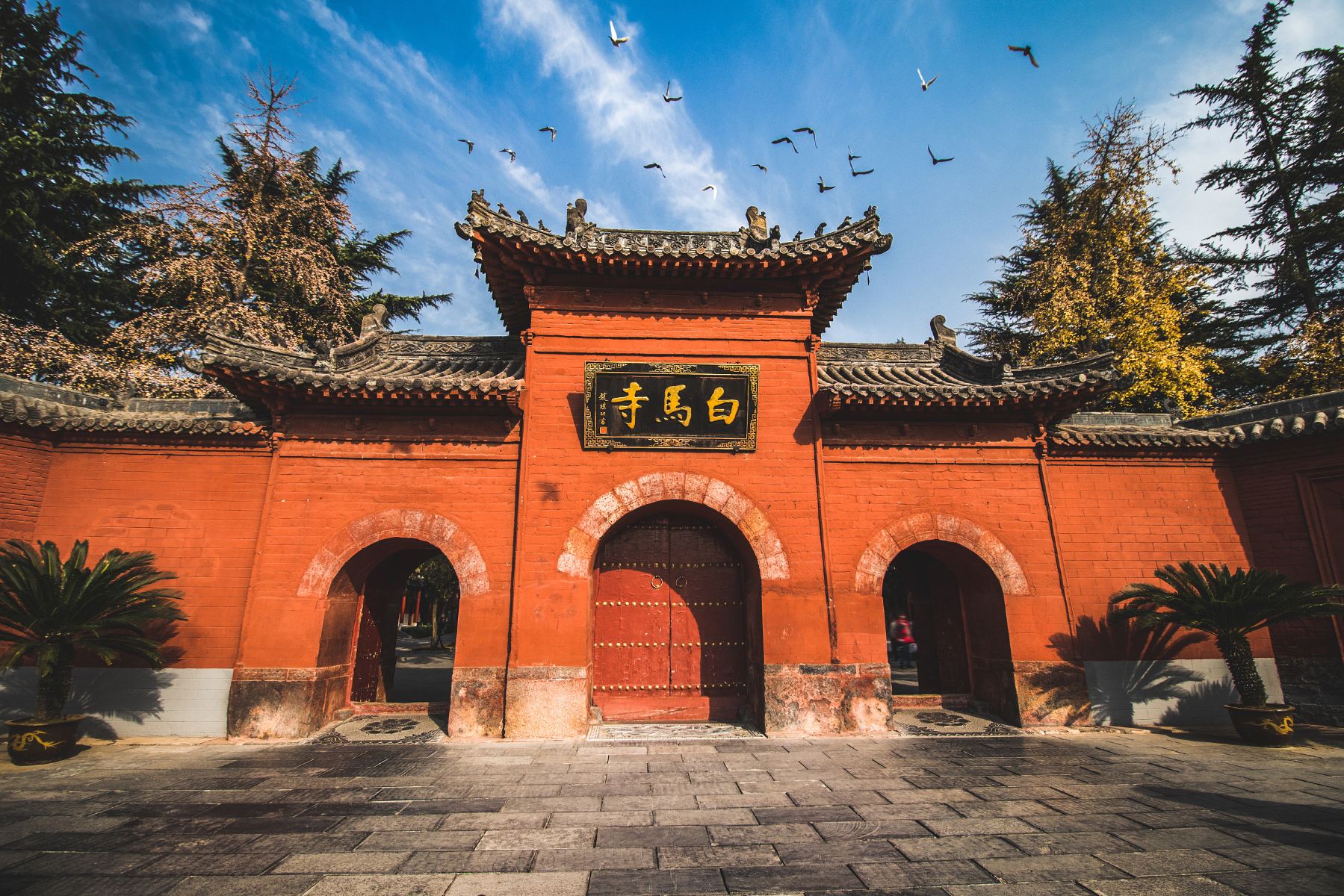
Most visitors experience the White Horse Temple in Luoyang as a single, sprawling complex, walking from one impressive hall to the next. While visually stunning, this spatial approach misses the much richer story told through its chronological layers. The site isn’t just a place; it’s a timeline of Chinese Buddhism spanning nearly two millennia. To truly understand its significance, you need a plan that follows its history, not just its footpaths.
This guide provides a strategic route through the horse temple, connecting each major area to its correct historical period. By following this framework, you can trace the temple’s evolution from its Han Dynasty founding to its modern international additions, transforming a simple tour into a meaningful historical journey. We will break down the route, identify key structures from each era, and highlight common navigational mistakes to avoid.
How to Follow a Chronological Route Through the Temple Complex
Navigating the White Horse Temple chronologically requires intentionally deviating from the most obvious central path. The goal is to see the site as it grew over centuries. This method helps contextualize the architecture, art, and legends associated with each hall and courtyard. Below is a step-by-step procedure for a historically layered visit.
The entire complex is built along a south-to-north axis, but its historical growth was not as linear. Follow this sequence to align your visit with the temple’s actual development timeline.
A Step-by-Step Chronological Tour Plan
This table outlines the four key stages of your visit, moving from the oldest origins to the most recent additions. Following this order provides a coherent narrative of the temple’s expansion.
| Stage & Historical Period | Key Structures & Checkpoints | What to Look For |
|---|---|---|
| Stage 1: The Founding (Eastern Han Dynasty) | The original core site, represented by the Hall of the Founders and the legendary tombs of the two Indian monks, Kasyapa Matanga and Dharmaratna. | Look for the stone statues of the two white horses that carried the original sutras, located outside the main gate. These symbolize the temple’s origin story and give the horse temple its name. The tombs, though rebuilt, mark the initial resting place of the monks who brought Buddhism to China. |
| Stage 2: Early Development (Tang & Song Dynasties) | The Qilun Pagoda (Cool and Clear Terrace). This is located to the southeast of the main temple axis. | This is the most critical detour. The pagoda is one of the oldest surviving structures of its kind in China. Note its architectural style, which is distinct from the later Ming and Qing halls. Its location off the main axis indicates its early importance before the complex was standardized. |
| Stage 3: Major Reconstruction (Ming & Qing Dynasties) | The main axial halls: Hall of Heavenly Kings, Hall of the Great Buddha, Hall of Mahavira, and Hall of Guidance. | This is the grand, symmetrical complex most visitors see. Observe the classic Ming and Qing architectural features—sweeping tiled roofs, intricate woodwork, and formal courtyard layouts. The statues and artwork within these halls represent a mature, imperial style of Chinese Buddhism. |
| Stage 4: Modern International Expansion (20th-21st Centuries) | The Indian, Thai, and Burmese-style temple zones located to the west and east of the main complex. | These areas are not historical reconstructions but functional temples built in partnership with their respective countries. Notice the stark contrast in architectural styles, materials, and iconography. This zone represents the temple’s role today as a center for international Buddhist exchange. |
Common Visitor Mistakes and How to Avoid Them
A successful chronological tour requires avoiding a few common pitfalls that can disrupt the historical narrative. Many visitors make these mistakes unintentionally, which leads to a less coherent and meaningful experience. Being aware of them beforehand allows for a smoother, more insightful visit.
Here are the most frequent errors and the simple solutions to keep your tour on track.
-
Mistake: Starting with the International Zone. The Thai and Indian temples are visually striking and located near the entrance, tempting many to visit them first.
- Why it’s a problem: This starts your journey at the end of the timeline, making the historical significance of the older, more subdued central halls harder to appreciate. It’s like reading the last chapter of a book first.
- Solution: Commit to entering through the main southern gate (Shanmen) and completing the entire central axis first. Save the international zone for the very end of your visit as a concluding chapter on modern developments.
-
Mistake: Skipping the Qilun Pagoda. Because it’s located off to the side of the primary courtyard complex, the Qilun Pagoda is easily missed by visitors focused on the main halls.
- Why it’s a problem: You miss one of the oldest and most historically significant parts of the entire temple site. The pagoda is a direct link to the Tang and Song dynasties and is crucial for understanding the temple’s early architectural history.
- Solution: After exploring the main gate area but before proceeding deep into the Ming/Qing halls, make a deliberate detour to the southeast corner of the complex to visit the pagoda. This fits it perfectly into the chronological flow. Proper logistical preparation is key.
-
Mistake: Rushing Through the Main Halls. The Hall of Heavenly Kings, Hall of the Great Buddha, and Hall of Mahavira can start to look similar after a while, causing “temple fatigue.”
- Why it’s a problem: Each hall serves a distinct purpose and houses unique statues and iconography that tell a specific part of the Buddhist story. Rushing them means missing the details that differentiate the Ming and Qing periods of worship.
- Solution: Before entering each hall, take a moment to read the informational plaques. Focus on one unique feature per hall—the expressions of the Four Heavenly Kings in the first, the scale of the main Buddha in the second, and the collection of arhats in the third. It helps to have researched a few historical analysis guides beforehand.
A Practical Checklist for Your Historical Tour
A well-planned visit ensures you can focus on the history and atmosphere rather than logistical challenges. This checklist covers essential preparations before you go and key points to remember while on-site. Using this structured approach helps guarantee you get the most out of your chronological tour of the horse temple. It is a vital step in planning cultural projects of this nature.
Pre-Visit Preparations
- Confirm Operating Hours: Check the official opening and closing times, as they can vary by season. Arriving early helps avoid the largest crowds.
- Arrange Transportation: Decide whether you will take a public bus or a taxi from Luoyang city center. Knowing your route in advance saves significant time.
- Study a Basic Layout: Familiarize yourself with a map of the temple complex before you arrive. Pinpoint the locations of the main gate, the Qilun Pagoda, and the international zone.
- Review Temple Etiquette: Understand the basic rules of conduct, such as appropriate dress (covering shoulders and knees), speaking in a low voice, and restrictions on photography inside the halls.
On-Site Execution
- Start at the South Gate: Resist any temptation to enter from a side entrance. The main south gate is the official and historical starting point.
- Follow the Four-Stage Plan: Stick to the chronological route outlined above: 1. Founding Core → 2. Qilun Pagoda → 3. Ming/Qing Halls → 4. International Zone.
- Stay Hydrated: The complex is large, and you will be doing a significant amount of walking. Carry a water bottle, especially during warmer months.
- Allocate Sufficient Time: A thorough visit following this plan will take at least three to four hours. Do not try to rush it in a short time slot.
- Look for Details: Pay attention to the materials used in different sections. Notice the ancient brick of the pagoda, the heavy wood of the Ming halls, and the polished marble of the modern Indian temple. These details reinforce the historical timeline.
By structuring your visit around the temple’s historical development, you gain a far deeper appreciation for its legacy as the cradle of Chinese Buddhism. You move beyond being a simple tourist and become an engaged observer of nearly 2,000 years of cultural history.
If your project requires meticulous planning and a deep understanding of complex timelines, contact our team to discuss your requirements.