
Blog
Prioritizing Your Longmen Grottes Visit

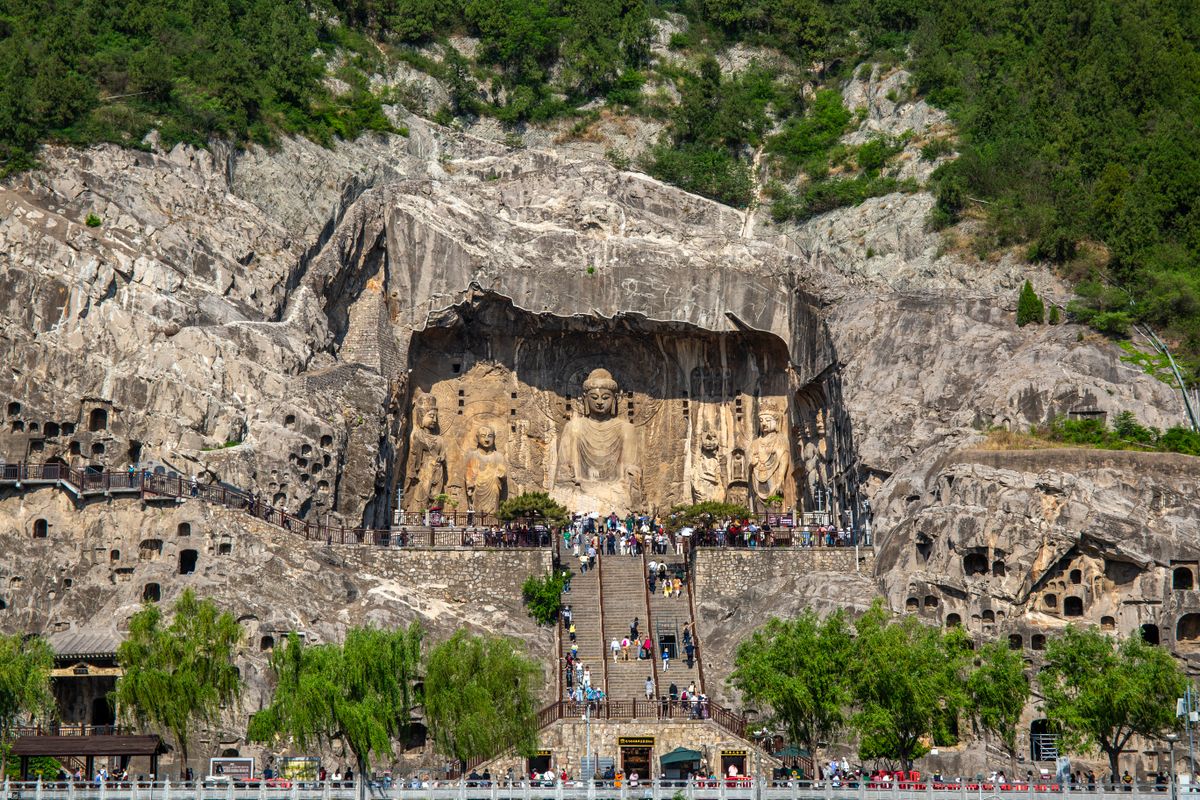
Planning Your Visit to the Longmen Grottes: Which Caves to Prioritize
When faced with the monumental scale and intricate artistry of the Longmen grottes, a common question for many visitors is where to begin. This UNESCO World Heritage site, located south of Luoyang in Henan province, China, spans over a kilometer along the Yi River, featuring thousands of statues and carvings etched into limestone cliffs. Deciding which sections of the Longmen grottes to see first, especially with limited time, requires a strategic approach to maximize your experience. Understanding the layout, historical significance, and unique features of key areas can transform a potentially overwhelming visit into a highly rewarding exploration.
Understanding the Scale and Layout of the Longmen Grottes
The vast complex of the Longmen grottes represents a pinnacle of Chinese Buddhist art from the late Northern Wei and Tang dynasties. It is divided primarily into two sections: the West Hill (Xishan) and the East Hill (Dongshan), separated by the Yi River. The West Hill is home to the majority of the most famous and largest carvings, including the iconic Fengxian Temple, while the East Hill offers a different perspective, with smaller grottoes, stupas, and a serene walking path. Navigating between these two sides is facilitated by bridges, making integrated exploration feasible. However, the sheer number of caves and niches—over 2,300—means that a comprehensive visit often requires more than a single day. For those with specific time constraints, knowing which areas offer the highest impact is crucial.
The historical context of the Longmen grottes reveals periods of intense imperial patronage, particularly during the reign of Empress Wu Zetian, whose influence is evident in the grand scale of the Fengxian Temple. This rich history is embedded in every chisel mark, offering not just artistic beauty but also a profound narrative of religious devotion and imperial power. Visitors seeking to grasp this grandeur should focus their initial efforts on areas that best exemplify these historical epochs.
Prioritizing Your Exploration: Short, Half-Day, and In-Depth Visits to the Longmen Grottes
Effectively planning your visit to the Longmen grottes hinges on allocating time wisely. Different sections offer varying levels of immersion and require specific time commitments. The following table outlines recommended itineraries based on visit duration, highlighting landmark caves and suggesting when lesser-known areas merit the extra effort.
| Visit Type | Recommended Longmen Grottes Caves | Key Features & Highlights | Considerations & When to Explore Lesser-Known Caves |
|---|---|---|---|
| Short Visit (2-3 hours) |
|
|
Focus solely on the West Hill. Prioritize walking directly to Fengxian Temple and then exploring adjacent major caves. Limited time prevents crossing to East Hill or extensive exploration of smaller niches. Only consider a quick glance at the entrance of the “Medicine Cave” if you have 15 extra minutes. |
| Half-Day Visit (4-5 hours) |
|
|
Begin on West Hill, dedicating ample time to Fengxian Temple and other major grottoes. Cross to East Hill for a different perspective and a quieter experience. If time permits, explore the smaller grottoes on East Hill like the “Kanjing Temple Grotto” for its unique arhat statues, which are worth the extra walk for their historical and artistic value. For more detailed insights, understanding the historical context enriches the experience. |
| In-Depth Visit (6+ hours / Full Day) |
|
|
This duration allows for a comprehensive exploration of both West and East Hills, including time for reflection and photography. The extra walk to discover the smaller, less-advertised Longmen grottes, such as those near the northern end of the West Hill or tucked away on the East Hill slopes, is highly recommended for those seeking a deeper understanding of the site’s diversity. These often contain unique artistic styles or rare inscriptions, offering a rewarding experience for dedicated enthusiasts. Consider extending your trip to explore other regional attractions. |
This framework provides a clear pathway for visitors to the Longmen grottes, ensuring that even with limited time, the most impactful and historically significant areas are prioritized.
Navigating the Longmen Grottes: Common Mistakes to Avoid
Visiting a site as expansive and historically rich as the Longmen grottes can be an unforgettable experience, but certain common oversights can detract from its enjoyment. By being aware of these pitfalls, visitors can plan more effectively and ensure a smoother, more rewarding exploration.

Here are some common mistakes to avoid:
-
Underestimating Walking Distances: The Longmen grottes stretch over a significant length, requiring extensive walking, often uphill and on uneven paths.
- Conclusion: Wear comfortable, sturdy walking shoes.
- Reasoning: Prevents fatigue and discomfort, allowing for longer, more enjoyable exploration.
- Scenario: Essential for all visit types, especially half-day and in-depth tours.
- Limits: Even a short visit involves considerable walking; this is not a sit-down attraction.
-
Ignoring Hydration and Sun Protection: Especially during warmer months, the open-air environment offers little shade.
- Conclusion: Carry water, a hat, and sunscreen.
- Reasoning: Prevents dehydration and sunburn, critical for maintaining energy.
- Scenario: Crucial for visits between late spring and early autumn.
- Limits: Less critical on overcast or cooler days, but still advisable.
-
Not Utilizing the Ferry/Shuttle: While walking is part of the experience, a small electric shuttle or ferry can save time and energy, particularly at the entrance/exit or for crossing the river.
- Conclusion: Factor in optional transport for efficiency.
- Reasoning: Conserves energy for grotto exploration, especially for those with mobility concerns or tight schedules.
- Scenario: Useful for short visits to maximize time at the main grottes, or for full-day visits when fatigue sets in.
- Limits: The ferry only crosses the river; the shuttle operates within designated zones, not directly to every cave.
-
Focusing Only on the West Hill: While the West Hill hosts the most famous carvings, neglecting the East Hill means missing panoramic views and distinct artistic styles.
- Conclusion: Allocate time for both West and East Hills.
- Reasoning: Provides a more complete understanding of the Longmen grottes complex and diverse artistic expressions.
- Scenario: Highly recommended for half-day and in-depth visits.
- Limits: A very short visit (under 2 hours) might necessitate focusing solely on West Hill due to time constraints.
-
Overlooking the Significance of Inscriptions: Many smaller caves and niches contain valuable inscriptions, offering historical and cultural insights.
- Conclusion: Consider hiring a knowledgeable guide or using an audio guide to interpret these details.
- Reasoning: Unlocks deeper layers of understanding beyond visual appreciation.
- Scenario: Particularly beneficial for in-depth visits or those with a keen interest in history and epigraphy.
- Limits: May not be a priority for visitors primarily focused on photographic opportunities or quick sightseeing.
Avoiding these common errors will significantly enhance your visit to the Longmen grottes, allowing for a more focused and enjoyable experience. The site’s immense heritage deserves thoughtful planning.
Further Exploration and Cultural Context at the Longmen Grottes
While the primary focus for many visitors is the intricate cave carvings, the surrounding area of the Longmen grottes also offers additional cultural and historical sites that can enrich a longer visit. On the East Hill, the Xiangshan Temple, initially built during the Northern Wei Dynasty, provides a serene retreat and offers excellent vantage points of the West Hill grottes. Its long history, including rebuilding during the Tang Dynasty, adds another layer to the site’s narrative. For those interested in Chinese literature, the Bai Garden, the tomb of the renowned Tang Dynasty poet Bai Juyi, is located nearby and offers a peaceful setting for reflection. These auxiliary sites, while not part of the main grottes, contextualize the area’s significance beyond its Buddhist art. Integrating these into a full-day itinerary provides a holistic view of the region’s cultural landscape. Exploring these areas requires an additional commitment of time but offers a deeper appreciation for the historical tapestry surrounding the Longmen grottes.

The sheer volume of artistry and history at the Longmen grottes makes pre-visit planning essential. By understanding the distinct characteristics of each section and applying a strategic approach to time management, visitors can ensure a meaningful and memorable journey through this extraordinary heritage site. Whether you have a few hours or a full day, prioritizing your exploration based on key highlights and personal interests ensures that you capture the essence of the Longmen grottes.
For further information or to discuss specific itinerary planning for your visit to the Longmen grottes, please contact our technical team for expert advice.
About LyWOW Tours
LyWOW is a locally based travel agency in Luoyang, specializing in private tours for international travelers across Luoyang, Shaolin, Xi’an and Central China. English-speaking guides, flexible itineraries and door-to-door service.
Learn more about us or browse all our tours.
