
Blog
The Unique Silk Road Legacy of Luoyang in China

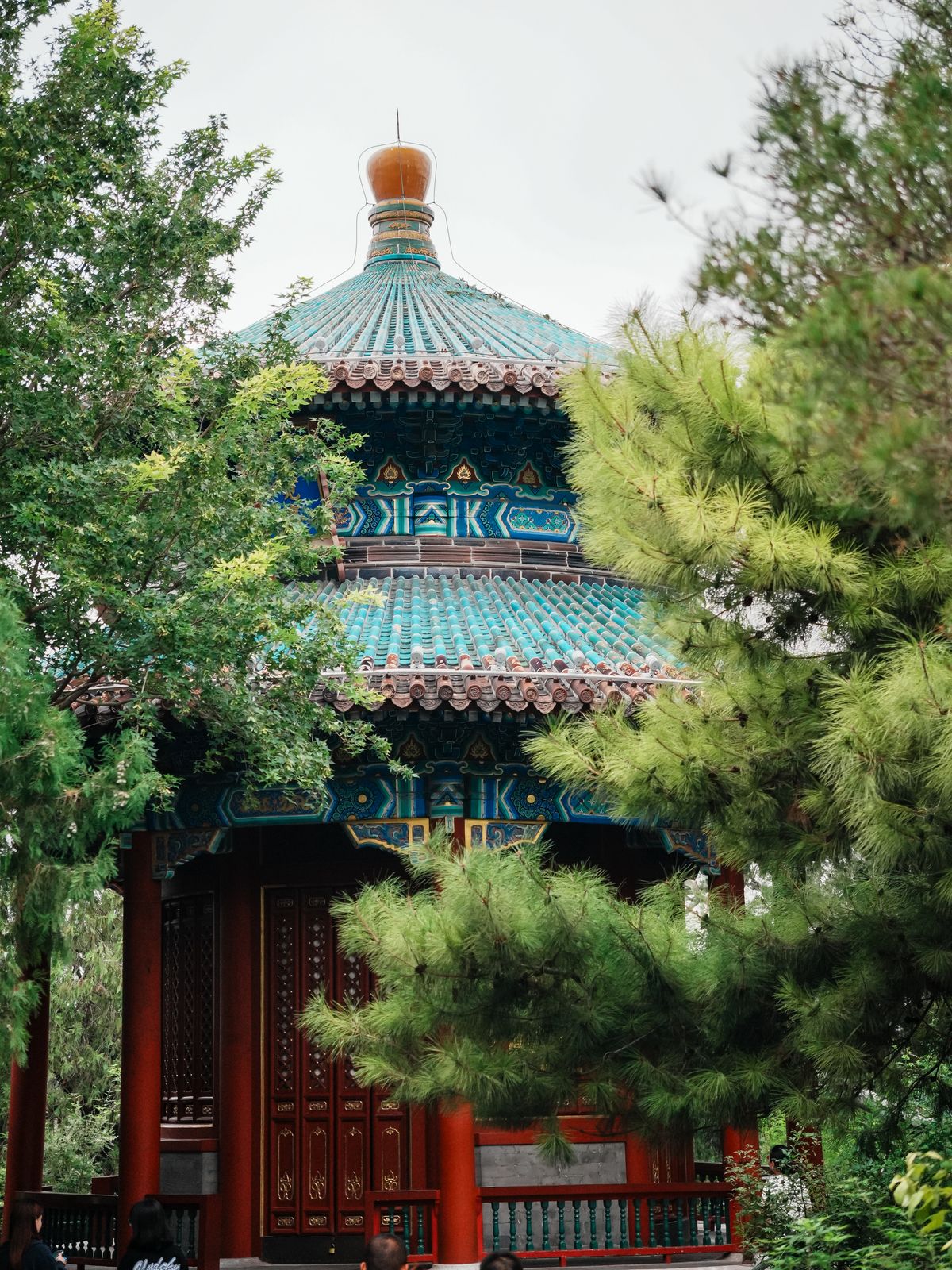
Understanding the Unique Silk Road Legacy of Luoyang in China
Many recognize ancient capitals like Xi’an as the starting point of the Silk Road. But what made the role of Luoyang so distinct and historically significant? Its legacy isn’t merely about its position on a trade route; it’s a unique convergence of imperial command, profound religious transformation, and dynamic cultural exchange that shaped not just China, but the world connected to it. Understanding the history of Luoyang in China reveals a city that was less a simple terminus and more a powerful engine of policy and culture.
While other cities were gateways for goods, Luoyang was a crucible for ideas. It served multiple dynasties as the eastern capital, a political center that dictated terms, sponsored expeditions, and absorbed foreign influences with strategic intent. This imperial gravity, combined with its status as the cradle of Chinese Buddhism, created a multi-layered importance that simple trade waypoints lacked. For businesses sourcing from the region today, this deep history informs the local culture of craftsmanship and resilience.

How Luoyang’s Silk Road Role Differed from Other Capitals
To grasp Luoyang’s unique position, it’s essential to compare it not just as a location, but as a functional center. Its role was fundamentally different from that of Chang’an (modern Xi’an), the more famous western terminus of the Silk Road. Luoyang’s influence stemmed from its integrated functions as an imperial, religious, and commercial hub. This combination gave it a distinct character and legacy.
The following table breaks down these differences to clarify why the history of Luoyang in China offers a unique perspective on ancient global networks.
| Differentiating Factor | Luoyang (The Eastern Capital) | Chang’an / Xi’an (The Western Terminus) | Why It Matters |
|---|---|---|---|
| Imperial Role | A primary or secondary capital for numerous dynasties (e.g., Eastern Han, Northern Wei). It was a center of political power and decision-making that directed Silk Road policy and received tribute. | Primarily known as the starting point of the Silk Road, especially during the Tang Dynasty. It was the great metropolitan gateway where caravans assembled and departed. | Luoyang wasn’t just a participant in trade; it was often the political authority sponsoring it. This meant it was a center for diplomacy and state-level cultural exchange, not just commerce. |
| Buddhist Influence | Recognized as the cradle of Chinese Buddhism with the establishment of the White Horse Temple. It became a premier center for translating sutras and disseminating Buddhist philosophy throughout China. | Also a major Buddhist center, with famous sites like the Giant Wild Goose Pagoda built to house sutras. However, its role was more about receiving and storing knowledge brought from the West. | Luoyang’s role was transformative. It didn’t just receive Buddhism; it actively translated, interpreted, and spread it, fundamentally shaping Chinese culture. This made it a hub for intellectual and spiritual exchange. |
| Trade Function | A consolidation and consumption center. Goods from the Silk Road arrived here to supply the imperial court and the elite bureaucracy. It was a destination market driven by political power. | An origination and distribution hub. It was the logistical starting point where Chinese goods (silk, ceramics) were gathered for export and foreign goods were first received and taxed. | This distinction highlights Luoyang as a center of demand and influence, whereas Chang’an was a center of logistics and supply. The economic gravity in Luoyang was tied directly to the imperial court’s presence. |
The Baima Temple: A Nexus of Culture and Faith
No discussion of Luoyang’s Silk Road story is complete without focusing on the White Horse Temple (Baima Si). Founded in the 1st century CE, it is traditionally credited as the first Buddhist temple in China. Its creation marks a pivotal moment where Luoyang became more than a political capital; it became a spiritual one. The temple wasn’t just a place of worship; it was an institution of immense intellectual importance, directly funded and supported by the imperial court.
The arrival of the first Indian monks, Kasyapa Matanga and Dharmaratna, at the capital of Luoyang in China was a direct result of an imperial dream. They brought with them scriptures and relics on white horses, giving the temple its name. This established a precedent: Luoyang became the destination for foreign monks and the center for a massive, state-sponsored project of translating Buddhist texts from Sanskrit into Chinese. This intellectual industry attracted scholars from across Asia, turning the city into a melting pot of ideas, philosophies, and languages. This process of translation was a complex undertaking, requiring deep understanding of both cultures and contributing to the evolution of the Chinese language itself.
The legacy of this period, visible at sites like the Longmen Grottoes with their stunning Buddhist art, underscores a key aspect of Luoyang’s identity. The flow of goods on the Silk Road was secondary to the flow of ideas that were received, processed, and reshaped here for a new audience. It was this synthesis—of Indian philosophy, Central Asian art styles, and Chinese imperial patronage—that defined the city’s unique contribution to world culture.

What This Ancient Legacy Means for Modern Sourcing
Understanding the historical context of a region provides crucial insights for modern business and sourcing. The legacy of Luoyang in China is not just a collection of historical anecdotes; it points to a deep-seated cultural identity that can influence contemporary business practices. A city that served as a capital for thirteen dynasties and a center for scholarly exchange developed a unique character.
When evaluating partners or suppliers in the region, recognizing this background can be a significant advantage. It suggests a heritage of high standards, intricate craftsmanship, and an ability to manage complex, large-scale undertakings—qualities that were essential for serving an imperial court and running a global intellectual hub. While history is not a direct guarantee of modern capabilities, it provides a valuable framework for what to expect. Considering these points can help you avoid common pitfalls in your sourcing strategy.
Buyer’s Checklist: Connecting History to Modern Business Potential
- Is there a legacy of specialized craftsmanship? Cities with a history of serving imperial courts, like Luoyang, often developed specialized industries (e.g., metallurgy, ceramics, textiles) to meet elite demands. Look for modern suppliers who are heirs to this tradition of quality.
- Does the local culture value precision and detail? The massive translation projects and intricate grotto carvings required immense patience, scholarship, and attention to detail. This cultural trait can be a strong indicator of a workforce suited for high-precision manufacturing.
- How does the region handle complex logistics? As an ancient administrative and trade hub, Luoyang has a long history of managing the flow of goods and people. Assess how this historical expertise might translate into modern logistical infrastructure and supply chain reliability.
- Is there an appreciation for long-term relationships? The diplomatic and cultural exchanges that defined Luoyang’s Silk Road role were built on sustained, long-term relationships, not just transactional trade. This can be a positive sign for building lasting and stable business partnerships today.
By looking beyond the surface, you can better appreciate the deep-rooted strengths of the region. The story of Luoyang is one of resilience, adaptation, and the creation of lasting value—qualities that remain highly relevant in the global economy.
For insights on how Luoyang’s unique industrial heritage can benefit your supply chain, contact our team to discuss your project requirements.
About LyWOW Tours
LyWOW is a locally based travel agency in Luoyang, specializing in private tours for international travelers across Luoyang, Shaolin, Xi’an and Central China. English-speaking guides, flexible itineraries and door-to-door service.
Learn more about us or browse all our tours.
