
Blog
Understanding Sancai Glazed Pottery: More Than Three Colors

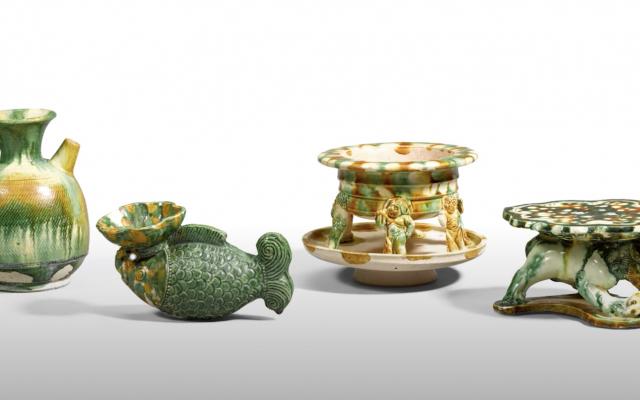
Understanding the Sancai Glazed Tradition: Is It Always Three Colors?
When sourcing or discussing historical Chinese ceramics, particularly for a B2B export audience, the term “sancai glazed” frequently arises. This distinctive style, renowned for its vibrant palette and flowing glazes, often leads to a common question: does “sancai” strictly mean that every piece features exactly three colors? The answer is nuanced, and understanding this distinction is crucial for accurate product interpretation and informed purchasing decisions.
The term “sancai” (三彩), literally translating to “three colors” in Chinese, refers to a specific type of lead-glazed earthenware that gained prominence during the Tang Dynasty (618–907 AD). While its name suggests a strict adherence to three hues, the tradition encompasses a broader artistic interpretation rather than a literal count. This article will clarify this distinction, delve into the historical and technical aspects of sancai glazing, and provide actionable insights for identifying authentic styles in export ceramics.
The Sancai Glaze Tradition: More Than Just a Count of Hues
The primary misconception surrounding sancai glazed items stems from a literal translation of its name. While “three colors” is the direct linguistic meaning, in the context of ceramic history and artistry, it signifies a distinctive polychrome glazing *style* and *technique*, rather than a rigid numerical limitation on the palette used for every single piece.
To clarify this unique differentiator, consider the following:
- Literal Interpretation: Expecting precisely three distinct colors on every single sancai piece. This view often leads to confusion when encountering pieces with two, four, or even more colors.
- Traditional Understanding: Recognizing “sancai” as a specific family of low-fired, lead-fluxed glazes characterized by a typical palette and a distinctive flowing application technique. The “three colors” historically refer to the most *prominent* and *representative* colors used within this tradition.
The core of the sancai tradition lies in its characteristic glazes, which are typically lead-silicate based and fired at relatively low temperatures (around 800-900°C). These glazes, when applied, melt and flow, often creating beautiful, spontaneous patterns of drips and overlaps. The typical palette associated with Tang Dynasty sancai includes:
- Green: Achieved with copper oxide.
- Amber/Brown: Achieved with iron oxide.
- Cream/White: Achieved with a clear or slightly opaque glaze, often over a white slip.
While these three were dominant, cobalt blue was also occasionally introduced, particularly in later Tang pieces and subsequent revivals, demonstrating that the “three-color” designation was never an absolute rule. Therefore, when evaluating sancai glazed pottery, the focus should be on the characteristic glaze types, the flowing aesthetic, and the historical palette, rather than an exact color tally.
Historical Context and Technical Aspects of Sancai Glazes
The origins of sancai glazing are deeply rooted in the flourishing culture and technological advancements of the Tang Dynasty. This period was a golden age for China, marked by widespread trade along the Silk Road, cultural exchange, and significant innovations in various art forms, including ceramics.
The Tang Dynasty Legacy
Sancai ware primarily served as grave goods, or *mingqi*, interred with the deceased to accompany them into the afterlife. These elaborate figures often depicted horses, camels, court ladies, officials, and guardians, reflecting the daily life and aspirations of the Tang elite. The vibrant colors and dynamic forms of sancai glazed figures offered a striking contrast to earlier, more subdued ceramic traditions, symbolizing wealth and status.
Glaze Composition and Application
The distinctive appearance of sancai glazed ceramics is a direct result of their specific composition and firing process. The glazes are predominantly lead-based, which acts as a flux, allowing them to melt and flow easily at lower temperatures. This lead content provides the characteristic brilliance and transparency.
The application involved metallic oxides as colorants:
- Copper Oxide: Produces the vibrant greens.
- Iron Oxide: Yields warm amber, brown, and sometimes yellow tones.
- Cobalt Oxide: When rarely used, creates rich blues, often reserved for more luxurious pieces due to its higher cost.
- Manganese Oxide: Less common, but can produce purple or dark brown hues.
These colored glazes were typically applied over a white slip (a thin layer of liquid clay) on a biscuit-fired earthenware body. The pieces were then subjected to a second, relatively low-temperature firing. During this firing, the lead glazes would melt and run, often stopping short of the base to prevent sticking to the kiln shelf, and creating the characteristic variegated and mottled effects that are highly prized.
Common Misconceptions When Evaluating Sancai Glazed Pieces
For B2B buyers and collectors, distinguishing authentic sancai styles requires moving beyond superficial observations. Here are common pitfalls to avoid:
- Mistake 1: Counting Colors Literally. As discussed, the name “sancai” refers to a tradition, not a fixed count. Focusing solely on the number of colors can lead to misidentification of genuine pieces that might feature two, four, or more hues within the sancai aesthetic.
- Mistake 2: Expecting High-Fired Stoneware. Sancai is fundamentally a low-fired earthenware. Expecting the vitrified, dense body of high-fired stoneware or porcelain is incorrect. Sancai bodies are typically porous and softer.
- Mistake 3: Overlooking Glaze Flow and Drip Patterns. A hallmark of traditional sancai is the natural flow and occasional dripping of the glaze. Pieces with perfectly contained, non-flowing glazes might indicate modern production techniques that deviate from the historical method.
- Mistake 4: Confusing with Later Polychrome Traditions. While sancai inspired later polychrome glazes, it has distinct characteristics. For instance, *fahua* ware (from the Ming Dynasty) also features multiple colors but uses raised slip lines to contain glazes, creating a cloisonné-like effect, which is very different from sancai’s free-flowing nature.
- Mistake 5: Ignoring the Historical Context of Forms. Sancai figures often adhere to specific Tang Dynasty forms – robust horses with arched necks, serene court ladies, or imposing guardians. Modern reproductions might use different forms or disproportionate features.
Identifying Authentic Sancai Styles in Export Ceramics
For businesses involved in the export and import of ceramic goods, understanding what constitutes an authentic sancai style is vital for accurate representation and quality assurance. While genuine Tang Dynasty artifacts are typically found in museums or high-end collections, many contemporary workshops produce high-quality reproductions and modern interpretations that adhere to the traditional aesthetic.

Key Characteristics for Evaluation
When assessing sancai glazed items, whether historical reproductions or modern artistic pieces, look for the following:
- Characteristic Glaze Colors and Palette: The presence of the dominant green, amber/brown, and cream/white (or clear) glazes is a primary indicator. The occasional inclusion of blue is also consistent with the tradition.
- Glaze Flow and Overlap: Observe how the glazes interact. The natural fluidity, subtle blending, and occasional drips are crucial elements of the sancai aesthetic. These should not appear unnaturally uniform or mechanically applied.
- Earthenware Body: The underlying ceramic body should be low-fired earthenware, often reddish or buff in color, and relatively porous when unglazed.
- Forms and Motifs: Traditional sancai forms like horses, camels, human figures, and utilitarian vessels (jars, plates) with a robust, often somewhat weighty feel, are indicative. Modern interpretations may experiment with contemporary forms, but the glaze characteristics should remain true to the tradition.
- Craquelure: Over time, sancai glazes often develop a network of fine cracks, known as craquelure. While not always present, especially in newer pieces, it is a common characteristic of older examples and successful reproductions.
Buyer’s Decision Checklist for Sancai Glazed Artistry
To ensure you are sourcing pieces that meet your quality and stylistic requirements, consider this checklist:
- Does the piece exhibit the characteristic flowing, lead-fluxed glazes? Look for evidence of natural glaze movement and interaction.
- Are the primary colors consistent with the sancai palette (green, amber, cream/white, possibly blue)? Don’t be deterred if there are not *exactly* three colors.
- Is the underlying ceramic body consistent with low-fired earthenware? Avoid pieces claiming to be sancai with a high-fired, dense stoneware or porcelain body.
- Does the form factor, if traditional, align with known Tang Dynasty styles? For modern pieces, does the glaze application still evoke the sancai spirit?
- Is the craftsmanship consistent and free from obvious defects that would detract from its aesthetic or structural integrity? (e.g., significant firing cracks, poorly joined sections).
- If sourcing reproductions, is the intent clearly to honor or reinterpret the sancai tradition? This helps distinguish genuine artistry from generic multi-color glazed items.
Understanding the sancai glazed tradition goes beyond a simple literal count of colors. It involves appreciating a rich historical legacy, specific glaze chemistry, and unique artistic application that together define one of China’s most iconic ceramic styles. For B2B buyers, this deeper understanding ensures more accurate sourcing, effective communication with clients, and appreciation for the nuanced beauty of these remarkable pieces.
For expert advice on sourcing ceramics that align with specific historical traditions or modern design needs, please reach out to our technical team.
About LyWOW Tours
LyWOW is a locally based travel agency in Luoyang, specializing in private tours for international travelers across Luoyang, Shaolin, Xi’an and Central China. English-speaking guides, flexible itineraries and door-to-door service.
Learn more about us or browse all our tours.