What Is China Luoyang Known For Beyond Longmen?
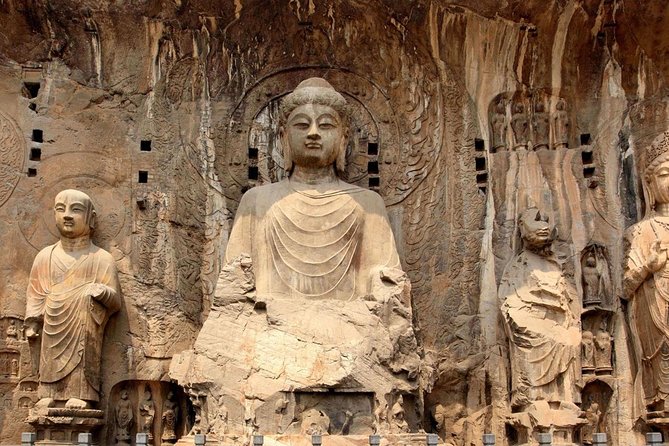
For many visitors, the Longmen Grottoes are the first reason to consider china luoyang. The cliffside Buddhist carvings are internationally recognized and deservedly central to any first visit. Yet stopping there alone gives only a partial picture of a city that has shaped Chinese political, religious, artistic, and urban history for centuries.
Luoyang is known beyond Longmen for its role as an ancient capital, its association with several dynastic periods, its major Buddhist temples, its imperial ruins, its peony culture, and its museums. These places appeal to different kinds of travelers. A history-focused visitor may prioritize palace-site museums and ancient city remains, while a cultural traveler may prefer temples, gardens, and evening streets. Understanding what each attraction contributes can help turn a brief Longmen stop into a more meaningful Luoyang itinerary.
Luoyang as an ancient capital city
One of Luoyang’s defining characteristics is its place in the story of China’s imperial capitals. Across different historical periods, the city served as a political center and developed as an important crossroads of government, trade, scholarship, and religion. That long urban history gives Luoyang a different atmosphere from destinations centered on one landmark or one dynasty.
Visitors interested in the evolution of Chinese cities can find value in looking beyond individual monuments. Luoyang’s historical identity is tied to layers of settlement, changing city plans, palace complexes, waterways, defensive structures, and archaeological discoveries. While many original structures no longer survive above ground, museums, site parks, and reconstructed areas help explain how the city changed over time.
This broader context also makes Longmen easier to appreciate. The grottoes were not created in isolation; they were connected to the religious life, political patronage, and artistic development of the wider region. Exploring the city before or after visiting Longmen can make the carvings feel less like a stand-alone sightseeing stop and more like part of a larger cultural landscape.
Who should prioritize the ancient-capital perspective?
- Travelers who enjoy dynastic history and archaeology.
- Visitors comparing former capital cities in China.
- Readers interested in how political power influenced art and religion.
- First-time visitors who want more context than a single scenic attraction provides.
White Horse Temple and the Buddhist heritage of china luoyang
Beyond Longmen, White Horse Temple is among the places most closely associated with Luoyang’s Buddhist heritage. It is widely known in connection with the early development of Buddhism in China and gives visitors a different experience from the cave temples at Longmen. Where Longmen emphasizes monumental stone carving and landscape, a temple visit provides a more grounded view of religious architecture, devotional spaces, courtyards, and living traditions.
For cultural-history readers, White Horse Temple is especially useful as a companion visit because it broadens the story from Buddhist art to Buddhist transmission and practice. The site encourages visitors to think about how ideas, texts, images, and rituals moved across regions and became part of Chinese cultural life. Even travelers with limited time may find that pairing a temple visit with Longmen creates a more complete introduction to the city’s religious history.
The best approach is not to treat every temple as interchangeable. At White Horse Temple, visitors can focus on the layout of the complex, the contrast between quiet courtyards and ceremonial structures, and the ways religious sites serve both historical and contemporary cultural roles. Allowing time to walk slowly is often more rewarding than trying to turn the visit into a checklist of buildings.
Museums and archaeological sites for deeper context
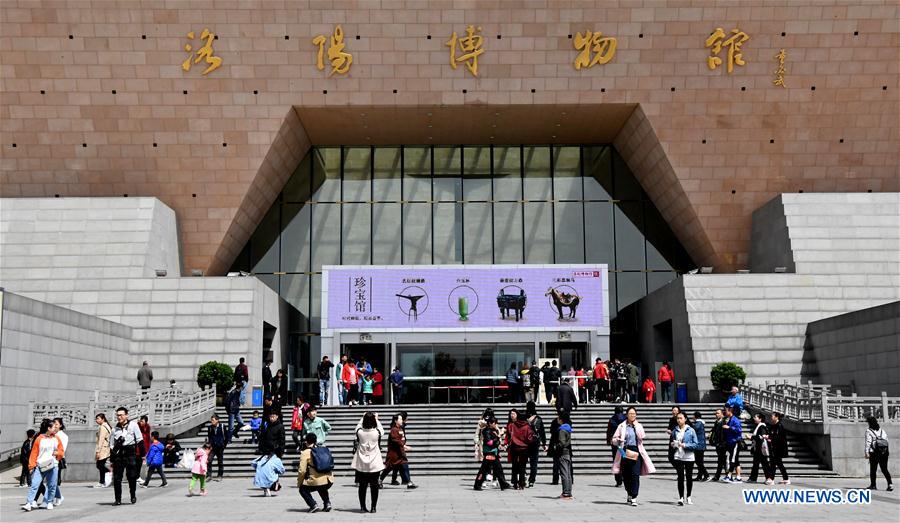
Luoyang is a strong choice for travelers who prefer interpretation over surface-level sightseeing. Museums and archaeological sites can explain the historical periods that are less visible in the modern cityscape. They also help visitors understand why Luoyang is frequently discussed alongside other major historic centers in China.
A museum visit is particularly valuable for anyone unfamiliar with the timeline of the city. Objects such as ceramics, burial goods, inscriptions, architectural fragments, and religious artifacts can reveal how everyday life and elite culture changed over long periods. Rather than viewing ancient history as a sequence of dates, visitors can see evidence of craftsmanship, trade, belief, and social organization.
Archaeological sites add another layer. Palace remains, city-wall traces, and excavation areas may appear less dramatic than a famous grotto or temple, but they can be highly rewarding for readers who want to understand the scale of earlier capitals. These places are often best approached with patience: look for site maps, explanatory displays, and models that show how scattered remains fit into a larger historical plan.
How museums complement a Longmen visit
| Experience | What it adds to a Luoyang visit | Best suited to |
|---|---|---|
| Longmen Grottoes | Buddhist sculpture, river scenery, and monumental stone art | First-time visitors and art-focused travelers |
| Historical museum | Chronology, artifacts, and broader dynastic context | History readers and families seeking interpretation |
| Archaeological site | Ancient urban planning and evidence of former capitals | Architecture and archaeology enthusiasts |
| Temple complex | Religious history, architecture, and contemplative space | Cultural travelers and Buddhist-history readers |
Peonies, gardens, and seasonal culture
Luoyang is also strongly associated with peonies. For visitors who want a change of pace after historical sites, gardens and seasonal flower displays offer a softer, more leisurely side of the city. The peony is closely tied to Chinese visual culture, poetry, symbolism, and garden traditions, making this more than a simple flower-viewing activity.
Seasonality matters when planning around peonies. A traveler visiting during the flowering period may choose to devote substantial time to gardens, photography, and outdoor walks. At other times of year, the same locations can still provide green space and a different perspective on local life, but the visual emphasis will naturally be different.
This aspect of Luoyang can be especially appealing to travelers who are not exclusively focused on ancient architecture. A city visit becomes more balanced when it includes both intensive historical interpretation and unhurried outdoor time. Gardens can also be a useful break between major sites, particularly after a long day of walking at Longmen or exploring museums.
For cultural-history readers, the attraction lies in the overlap of nature and symbolism. Flowers are not merely decorative in traditional culture; they can carry associations with prosperity, beauty, literary expression, and elite taste. Looking at Luoyang through its peony culture adds a more intimate and seasonal dimension to the city’s better-known imperial narrative.
Old streets, food, and the everyday city
A destination known for ancient history can sometimes feel distant if visitors only move between formal heritage sites. Luoyang’s streets, local food culture, and evening atmosphere offer a useful counterpoint. They give travelers a sense of the present-day city and create opportunities to slow down between major attractions.
Food is a practical and cultural part of any visit. Rather than searching for a single definitive dish, travelers can approach local dining as a way to explore regional flavors, shared meals, noodles, soups, snacks, and market-style choices. Asking for recommendations at a hotel or from a local guide may be helpful, particularly for visitors who have dietary requirements or prefer dishes with familiar ingredients.
Historic-style districts and pedestrian areas can be enjoyable for an evening walk, but they should be viewed with the right expectations. Some spaces emphasize atmosphere, shopping, food, and contemporary leisure rather than untouched historical fabric. That does not make them less worthwhile; it simply means they serve a different purpose than museums or archaeological sites. They are often best for travelers who want a relaxed social experience after a day of cultural exploration.
Building a balanced one- or two-day visit
If time is limited, a balanced plan is more useful than trying to see every attraction. Longmen remains an essential priority, but it does not have to dominate the entire trip. The following approach can help different visitors decide what to add.
- For a single day: Combine Longmen Grottoes with one additional experience, such as White Horse Temple, a museum, or a local evening district.
- For two days: Reserve one day for Longmen and a temple, then use the second day for a museum, archaeological site, gardens, and local dining.
- For history specialists: Give more time to museum collections, former-capital sites, and interpretive displays rather than adding too many scenic stops.
- For relaxed cultural travelers: Pair major heritage sites with gardens, a tea break, and an evening walk to avoid an overly compressed schedule.
Why Luoyang merits more than a Longmen stop
The clearest answer is that Luoyang offers connections. Longmen connects Buddhist sculpture with imperial support, White Horse Temple connects religious heritage with the spread of Buddhist traditions, museums connect individual artifacts with long dynastic timelines, and archaeological sites connect the modern city with earlier capital landscapes. Gardens and local streets add the human, seasonal, and everyday experiences that make the destination feel more complete.
For early-stage travelers, the question is not whether Longmen is worth visiting. It is. The more useful question is what kind of experience should surround it. Those interested in religion can add a temple. Those drawn to ancient states and city-building can add museums and archaeological remains. Those seeking a gentler cultural itinerary can add peony gardens and evening neighborhoods.
Ultimately, china luoyang is known for far more than one extraordinary grotto complex. It is a destination where Buddhist art, imperial history, archaeology, gardens, and contemporary city life can be explored together. Giving the city at least an extra half day or full day beyond Longmen can transform a brief stop into a fuller understanding of one of China’s most historically layered urban destinations.