
Blog
White Horse Temple China: Plan by Hall and Dynasty

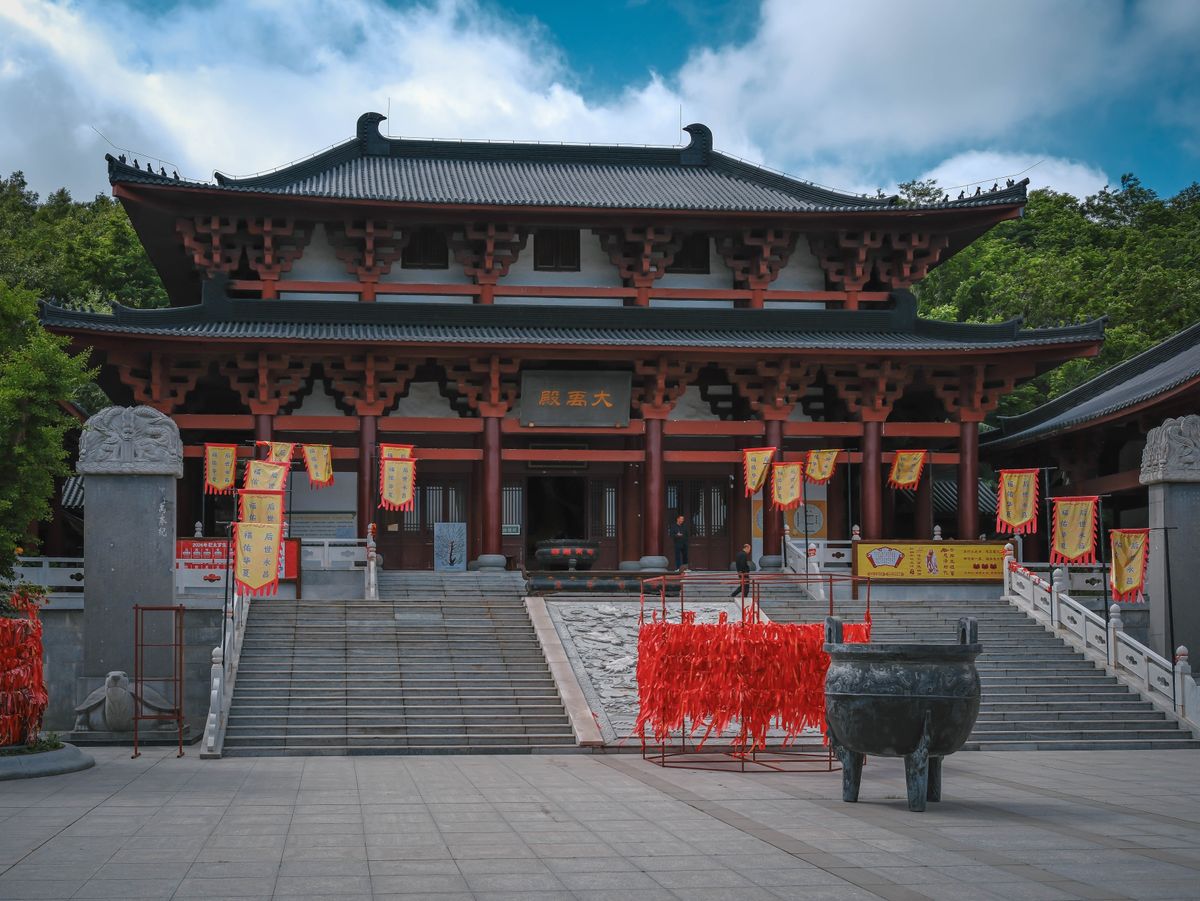
How to Plan a Visit to White Horse Temple China by Hall and Dynasty
Most first-time visitors arrive at White Horse Temple China with one unanswered question: which parts of this site are actually old, and which were rebuilt centuries later? It’s a fair question. The temple has been damaged, restored, and expanded repeatedly since it was founded, and the current layout blends structures from different eras without much on-site signage to separate them. If you walk through without a plan, you’ll see a sequence of halls but miss the historical layering that makes the site significant. This guide breaks the temple down by hall and by period, so you can build an itinerary that actually makes sense of what you’re looking at.
Why Hall Sequence Matters More Than a Map
Temple complexes in China are built along a north-south axis, with halls increasing in importance as you move deeper into the site. This isn’t unique to White Horse Temple — it’s a standard layout principle across Chinese Buddhist architecture — but it matters for planning because each hall corresponds to a different function and, often, a different construction period.
A map alone won’t tell you this. Walking the axis in order, however, mirrors how the site was historically used and expanded. Visitors who skip around based on a printed map tend to miss the logic connecting the entrance gate to the rear halls, and they often misread later additions as original Han-era construction simply because they look weathered.
The Standard Axis, Front to Back
- Mountain Gate (Shanmen) — the formal entrance, typically the first rebuilt structure encountered
- Hall of Heavenly Kings — an introductory devotional hall
- Mahavira Hall — the main worship hall, usually the architectural centerpiece
- Hall of Guidance (Jieyin Hall) — a secondary devotional space further back
- Vairocana Pavilion — often the rear-most and elevated structure on the axis
Treat this sequence as your walking order. Each hall builds on the visual and religious logic of the one before it, and jumping ahead makes the later halls feel disconnected from the entrance experience.
Distinguishing Surviving Heritage Features From Later Reconstructions
This is the section most visitors need but rarely get. White Horse Temple’s founding dates to the Han dynasty, but very little of the visible structure is original wood-and-tile construction from that period. Fires, wars, and centuries of weather have forced repeated rebuilding, mostly during the Ming and Qing dynasties, with modern restoration work added since the mid-20th century. Below is a step-by-step method for reading the site correctly, along with the mistakes that trip up most independent travelers.
Step-by-Step: How to Read Each Hall On Site
- Check the base and foundation stones first. Older stone platforms and foundation layouts are more likely to reflect earlier building footprints, even if the superstructure above has been rebuilt. This is your first clue to layered history.
- Look at roof structure and bracket complexity. Simpler, heavier timber brackets generally indicate later Qing-period reconstruction; more elaborate multi-tiered bracket sets often point to Ming-era work or careful modern restoration modeled on Ming style.
- Compare statue material and finish. Statues that appear freshly gilded or unusually uniform in color are typically modern replacements or restorations, not surviving originals.
- Read any posted plaques or inscriptions. When available, these often note the dynasty of the most recent major rebuild — treat this as the reconstruction date, not the founding date.
- Cross-reference with the hall’s position on the axis. Rear halls, like the Vairocana Pavilion, were frequently added or substantially rebuilt later than front halls, so their age profile differs even within the same complex.
Common Mistakes Visitors Make
- Assuming weathered wood equals Han-dynasty origin. Weathering happens fast in an open-air site; it’s not a reliable age indicator on its own.
- Treating the whole complex as a single-period site. The temple is a composite of multiple rebuilding campaigns, not a preserved Han-era time capsule.
- Skipping the international temple gardens on the grounds. Several countries have built Buddhist-style structures within the temple grounds in recent decades. These are contemporary additions built to reflect Buddhist architectural traditions from those countries — not part of the historic Chinese temple sequence — and should be treated as a separate, modern section of the visit rather than folded into the dynasty-by-dynasty reading.
- Rushing the Mahavira Hall. This is usually the most restored yet most visually rich hall; spending too little time here means missing most of the detail worth photographing and studying.
Comparing Hall Types: Historic Core vs. Modern Additions
Because the site mixes centuries-old layout logic with recent construction, a side-by-side comparison helps more than a narrative description. Use this table when deciding how much time to budget per stop.
| Site Section | Likely Period | What to Look For | Time to Budget |
|---|---|---|---|
| Mountain Gate & entrance halls | Ming/Qing rebuild | Roof bracket style, gate carvings | 10-15 minutes |
| Mahavira Hall | Ming/Qing rebuild, restored | Statue arrangement, altar layout | 20-30 minutes |
| Vairocana Pavilion | Later addition, restored | Elevated platform, rear-axis view | 15 minutes |
| Foundation stones & platforms | Mixed, some older layout traces | Stone wear patterns, platform edges | 5-10 minutes per hall |
| International Buddhist garden structures | Contemporary (recent decades) | Architectural style contrast with core temple | 20-30 minutes, separate from main axis |
This breakdown fits a half-day visit. If you’re combining the temple with other stops in Luoyang, prioritize the main axis halls and treat the international garden section as optional depending on remaining time.
Building a Practical Visit Itinerary
A workable plan doesn’t need to be elaborate — it needs to match your pace and interest level. Here’s a decision checklist to help you allocate time realistically before you arrive.
- If you have under 90 minutes: walk the main axis only, from Mountain Gate to Vairocana Pavilion, using the step-by-step reading method above at each stop.
- If you have half a day: add the international Buddhist garden structures as a separate second loop after the main axis, since their architectural style and period differ substantially from the historic core.
- If architectural detail interests you most: spend extra time at the Mahavira Hall and compare bracket and roof styles across halls rather than rushing through each one equally.
- If you’re traveling with limited mobility: note that the axis is mostly flat but the rear pavilion involves stairs — plan accordingly and consider stopping at the Jieyin Hall if stairs are a concern.
None of these approaches require a guide, though joining a scheduled local tour can help fill in dynasty-specific details that aren’t posted on-site. For travelers coordinating a broader Luoyang itinerary, it also helps to sequence this stop alongside other regional heritage planning to avoid backtracking across the city in one day.
What This Plan Does Not Cover
This guide focuses on hall sequence and period identification — it does not address ticketing procedures, seasonal crowd patterns, or transportation logistics into Luoyang, since those details change independently of the site’s architecture and are better sourced from current local visitor information. If your goal is purely historical interpretation rather than full-day trip logistics, the hall-by-hall method above should be sufficient preparation before you go.

Independent travelers researching heritage architecture often ask us for supporting reference material before a trip. If you’re preparing a detailed itinerary or need clarification on hall sequencing for a group visit, feel free to reach out for planning guidance or a printable reference sheet.
About LyWOW Tours
LyWOW is a locally based travel agency in Luoyang, specializing in private tours for international travelers across Luoyang, Shaolin, Xi’an and Central China. English-speaking guides, flexible itineraries and door-to-door service.
Learn more about us or browse all our tours.