Understanding the Administrative Layers of Luoyang City, Henan
For travelers visiting Luoyang City, Henan, understanding the city’s administrative geography can make planning much easier. The name “Luoyang City” may refer to the wider prefecture-level city or, more narrowly, to its central urban districts. This distinction matters when estimating travel times between historic sites, railway stations, airports, and scenic areas.
Luoyang’s administrative area covers a broad region of urban districts, county-level cities, and rural counties. Knowing where a destination is located helps visitors choose suitable transport, plan day trips, and avoid underestimating distances.
Navigating the Administrative Landscape: Luoyang’s Jurisdictional Layers
China’s administrative system uses several levels of local government. In Luoyang, it is useful to distinguish between the prefecture-level city, the central urban districts, and the surrounding county-level areas.
Here are the main administrative areas travelers may encounter when planning a visit to Luoyang:

Here’s a comparative view of these administrative layers:
| Administrative Level | Description | Travel Characteristics | Planning Considerations |
|---|---|---|---|
| Prefecture-level City (Luoyang Shi) | The broadest administrative unit, encompassing the central urban districts, county-level cities, rural counties, and a wide range of historic and natural attractions. |
|
|
| Central Urban Districts | The densely populated central areas of Luoyang, including districts such as Jianxi, Laocheng, Xigong, and nearby urban neighborhoods. |
|
|
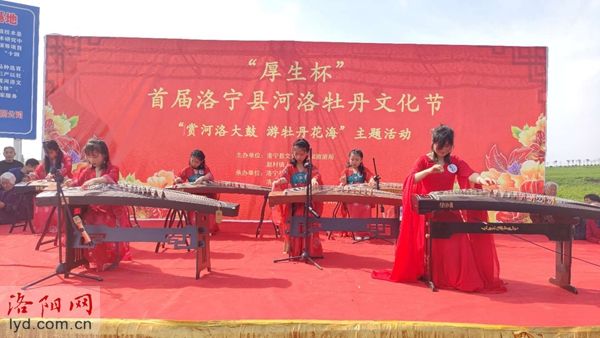
| County-level Cities and Counties | Administrative areas surrounding the central urban districts, including places such as Yanshi and Luoning County. |
|
|
How to identify a destination’s location:
1. Check the full address: Look for the specific district (区, qū) or county (县, xiàn) name. This provides a more precise idea of where a hotel, attraction, or restaurant is located.
2. Use mapping services: Baidu Maps and Gaode Maps often provide detailed local information. Google Maps may also be useful for broad planning, although local map data can vary.
3. Compare travel times: Check the route from your hotel or railway station to each attraction rather than relying only on the general name “Luoyang.”
4. Ask your hotel or guide: Local staff can confirm the best route, approximate journey time, and the most convenient transport option.
Practical Travel Planning Across Luoyang
Understanding Luoyang’s administrative layers is especially helpful when combining central city sightseeing with visits to attractions in surrounding counties. The distance between destinations can affect how many places you can comfortably visit in one day.
-
Getting around the central districts:
- Central Luoyang has convenient access to taxis, ride-hailing services, buses, and major railway stations.
- Many historic attractions can be combined in a one-day itinerary, depending on their locations and opening hours.
- Traffic can be heavier during public holidays, weekends, and the Luoyang Peony Festival.
-
Visiting attractions outside the urban center:
- Destinations in surrounding counties may require a private vehicle, organized day tour, or careful public-transport planning.
- Mountain and countryside attractions often take longer to reach than their distance on a map suggests.
- Check the final return journey before traveling to a rural or remote destination.
-
Choosing a convenient base:
- Staying in the central districts is usually most convenient for first-time visitors and travelers using trains.
- Visitors interested in rural scenery or a slower pace may prefer accommodation closer to a particular scenic area.
- Consider the location of your hotel in relation to Luoyang Longmen Railway Station, the old city, and the attractions on your itinerary.
-
Allowing enough time:
- A journey across the wider Luoyang area may take substantially longer than a trip within the city center.
- When planning day trips, allow time for traffic, transfers, walking, and possible queues at popular attractions.
- A local guide can help combine nearby sites efficiently and adjust the itinerary to current conditions.
Common Mistakes to Avoid When Traveling in Luoyang
- Relying only on the city name: “Luoyang City” may refer to the central urban area or a destination much farther away.
- Underestimating travel times: A visit to Luoning County or another distant area can take much longer than a journey between central attractions.
- Planning too many attractions in one day: Group sites by location and leave time for traffic and walking.
- Assuming transport is the same everywhere: Central districts have more frequent services than rural and mountain areas.
- Overlooking language differences: English information is more common at major attractions and in central hotels than in smaller towns and villages.
- Traveling without checking opening details: Confirm ticketing, opening hours, seasonal conditions, and return transport before setting out.
Verifying Locations Within Luoyang’s Diverse Geography
Checking the exact location of each destination helps you create a realistic and enjoyable Luoyang itinerary. Use these steps when planning your journey:
-
Check the full Chinese address:
- Action: Save the complete address of your hotel, attraction, or meeting point in Chinese characters.
- Reasoning: Chinese addresses often provide more precise location details than translated names.
- Checkpoint: Does the address include a district, county, town, or scenic-area name?
- Travel tip: Keep a screenshot of the address to show to drivers or local staff.
-
Use online mapping services:
- Action: Enter the Chinese name of the destination into Baidu Maps or Gaode Maps.
- Reasoning: These services generally provide detailed local road and transport information.
- Checkpoint: Compare the location with your hotel and other planned attractions.
- Travel tip: Download important addresses and directions before leaving your hotel.
-
Check official attraction information:
- Action: Review the official website or social-media account of the attraction when available.
- Reasoning: Official sources can provide current opening hours, ticket information, seasonal notices, and visitor requirements.
- Checkpoint: Confirm whether advance reservations or identity documents are needed.
- Travel tip: Recheck details during national holidays and the spring peony season.
-
Ask for local advice:
- Action: Ask your hotel, guide, or tour operator about the best route and estimated travel time.
- Reasoning: Local advice can account for traffic, road conditions, weather, and temporary closures.
- Checkpoint: Make sure the recommended route fits your return plans.
- Travel tip: Ask for the destination name in Chinese so it can be copied into a navigation app.
-
Consider local transport options and travel times:
- Action: Check routes from key transport points such as Luoyang Longmen Railway Station and Luoyang Beijiao Airport.
- Reasoning: This gives you a realistic idea of the time needed to reach each area.
- Checkpoint: Is the destination outside the central urban districts?
- Travel tip: For distant attractions, consider a private car or guided day tour for greater flexibility.
Luoyang combines a lively historic center with a wide surrounding region of ancient temples, grottoes, mountains, villages, and cultural landscapes. Understanding its administrative geography helps you choose the right base, group attractions efficiently, and enjoy a smoother journey through Henan.
About Luoyang Joy Tours
Luoyang Joy Tours is a locally based travel agency in Luoyang, specializing in private tours for international travelers across Luoyang, Shaolin, Xi’an and Central China. English-speaking guides, flexible itineraries and door-to-door service.
Learn more about us or browse all our tours.