When luo yang Peony Season Is Worth Planning Around
Is luo yang peony season genuinely worth building an entire itinerary around, or is it better treated as a pleasant extra during a wider China trip? The answer depends on what you want from the visit. Travelers focused on flowering landscapes, garden walks, and seasonal photography may find the bloom period highly compelling. Travelers who dislike crowds, need flexible schedules, or prefer museums and historic sites without peak-season pressure may be better served by another time of year.
The key issue is phenology: the timing of natural events such as flowering in response to weather and seasonal conditions. A peony trip is not as predictable as a fixed-date exhibition. Flower development can move earlier or later depending on temperatures, rainfall, wind, and the condition of individual plants. Planning should therefore focus on likely bloom phases rather than expecting every garden to look identical on every day.
For luo yang travel, the most useful approach is to decide whether flowers are your main purpose, one element of a cultural itinerary, or simply an optional seasonal experience. That decision determines how much schedule flexibility you need and whether peak bloom is worth the trade-off in visitor numbers.
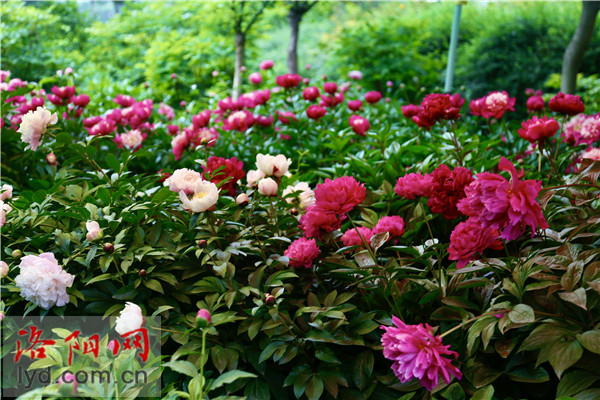
What makes the peony season different from an ordinary spring visit?
The seasonal appeal comes from seeing peonies at different stages: tightly formed buds, newly opened flowers, full displays, and fading petals. These stages create different visual results and different visitor experiences. A garden can still be rewarding before the fullest displays appear, especially for travelers who value quieter paths and detailed close-up viewing rather than broad, dense color across every planting area.
Luo yang is most worth planning around when peony viewing is a central travel objective rather than a brief stop between unrelated destinations. A visitor hoping to photograph gardens, compare bloom stages, or spend unhurried time outdoors has a stronger reason to align dates with the flowering period. By contrast, someone primarily interested in historic architecture, food, business meetings, or regional transport connections should not let the peony calendar control the whole trip.
| Travel priority | Best planning approach | Why it fits | Limit or trade-off |
|---|---|---|---|
| Seeing the broadest floral displays | Choose the likely main bloom window and keep dates flexible | More plants may be open at the same time | Visitor demand and crowd levels are usually higher |
| Photography and garden atmosphere | Consider the earlier or later part of the season | Light, plant detail, and quieter walking routes may be easier to manage | Not every variety may be fully open |
| Historic sightseeing with flowers as an extra | Plan core attractions first and add a garden visit if conditions suit | Protects the value of the wider itinerary | The floral display may not be at its strongest |
| Low-pressure leisure travel | Choose another season unless flowers are essential | Accommodation, transport, and popular sites may feel less pressured | You will miss the city’s best-known floral period |
The practical conclusion is simple: schedule around the bloom only if you would feel disappointed by missing it. If your trip remains satisfying without peak flowers, use the season as a bonus rather than a fixed requirement.
How should travelers interpret bloom timing before booking?
Do not treat a general bloom forecast as a guarantee. In luo yang, different gardens, plant varieties, microclimates, and maintenance conditions can produce different results at the same time. A flower display may be advanced in a sheltered area while another section is still developing. This variation is useful for flexible travelers, but frustrating for visitors who expect one exact “perfect day.”
The best decision is to monitor current garden updates close to departure, then compare them with your own priorities. If the trip must be booked far in advance, build an itinerary that remains valuable even if flowering is earlier, later, or less uniform than expected.
A practical booking procedure
- Define the trip’s main purpose. Decide whether flowers, cultural sites, food, family travel, or business travel is the non-negotiable part of the visit.
- Identify your acceptable bloom stage. Some travelers prefer buds and early flowers; others only want dense, fully open displays.
- Keep arrival and departure options open where possible. Flexibility matters more than trying to predict an exact peak date far ahead.
- Check recent local updates shortly before travel. Look for garden notices, weather conditions, and transport advisories from reliable official sources.
- Build a non-flower backup plan. Include indoor cultural activities, historic districts, local dining, or a slower hotel schedule in case weather disrupts outdoor viewing.
- Reserve peak-period essentials early. If you choose the busiest bloom phase, avoid leaving transport and lodging decisions until the last moment.
This procedure suits travelers making a dedicated luo yang flower trip. It is less necessary for visitors passing through briefly, because a rigid schedule often creates more stress than value.
What are the bloom timing, crowd trade-offs, and reasons to choose another season instead?
This is the central boundary for deciding whether luo yang peony season deserves priority. More open flowers often attract more visitors. Higher demand can mean fuller walkways, longer waits, more competition for photographs, and less flexibility in lodging or rail planning. The season can be beautiful, but beauty is not the only decision factor.
| Timing choice | Likely bloom experience | Crowd trade-off | Who should choose it | Who should avoid it |
|---|---|---|---|---|
| Earlier flowering stage | Buds and early-opening flowers, with variation between varieties | Potentially less intense than the busiest period, though demand can still be significant | Photographers, flexible travelers, and visitors who enjoy subtle garden detail | Travelers who only want large-scale full displays |
| Most popular bloom stage | Stronger visual impact across major garden areas | Highest chance of dense visitor traffic and reduced spontaneity | First-time flower-focused visitors willing to plan carefully | People sensitive to crowds or tight travel budgets |
| Later flowering stage | Mixed displays, with some flowers fading and others remaining attractive | Conditions may feel less pressured after the busiest demand | Travelers who value a calmer pace over a perfect display | Visitors expecting every section to look newly opened |
| Outside the flowering season | No peony-centered experience | Usually a more straightforward visit for those not seeking seasonal gardens | History-focused, business, and crowd-averse travelers | Anyone whose main goal is peony viewing |
Choose another season instead when crowd avoidance matters more than flower viewing, when your schedule cannot move if conditions change, or when the visit is mainly about non-garden attractions. This is also the better choice for travelers who dislike weather-dependent plans. A trip outside the bloom period can offer a more relaxed rhythm, but it should not be sold to yourself as a substitute for the floral experience. It is a different kind of visit.
Conversely, luo yang is worth prioritizing during the bloom period if you accept that crowds are part of the experience and see the flowers as the reason for the journey. The right expectation is not private access or flawless uniformity. It is a seasonal city visit where gardens become the principal draw.

Which common planning mistakes reduce the value of a peony visit?
Most disappointing trips are not caused by flowers alone. They result from expectations that do not match the realities of seasonal travel. Avoid these mistakes when assessing luo yang as a spring destination.
- Booking for one assumed peak day. Flowering conditions vary. Choose a travel range or accept that the display may be earlier or later than hoped.
- Ignoring crowd tolerance. A highly popular bloom period can be the wrong choice for someone who wants quiet paths, unhurried meals, and spontaneous sightseeing.
- Planning only outdoor activities. Rain, wind, or temperature changes can alter the day. Keep indoor or cultural alternatives available.
- Expecting every peony to bloom together. Varieties and garden conditions differ. Look for a varied seasonal experience rather than total uniformity.
- Leaving logistics until late. When travel demand rises, preferred transport times and accommodation choices may become harder to secure.
- Making flowers an obligation. If gardens are not genuinely interesting to you, a quieter travel period may deliver better overall value.
The conclusion is that luo yang peony travel works best for visitors willing to trade predictability for seasonality. It does not fit every traveler, and that is useful to acknowledge before booking.
How can different traveler types choose the right dates?
A flower-focused visitor should prioritize current bloom information and schedule flexibility. A culture-focused visitor should select dates based on the broader itinerary, then treat a garden visit as an added benefit. A family group should weigh the appeal of flowers against walking distances, queues, and the comfort needs of every traveler. A business traveler should avoid assuming that the floral period will support an efficient schedule if meetings are fixed and time is limited.
For a first visit, luo yang is most rewarding during peony season when you have enough time to experience gardens without trying to compress every attraction into a single rushed day. The season is less suitable when you need a fast transit stop or cannot tolerate changes to a tightly controlled itinerary.
Use this decision checklist before finalizing dates:
- Would the trip still feel successful if flowers are not at their fullest stage?
- Can you adjust travel dates if current bloom conditions shift?
- Are you comfortable sharing major garden areas with many other visitors?
- Do you have a backup plan for poor outdoor weather?
- Is floral viewing more important than lower travel pressure?
- Have you allowed time for both gardens and non-seasonal attractions?
If most answers are yes, planning around luo yang peony season is likely worthwhile. If most answers are no, select another travel period and enjoy the city without putting the entire trip at the mercy of flowering conditions.
For help comparing seasonal dates with your preferred itinerary style, request tailored travel-planning advice before confirming transport and accommodation.