 By
By Understanding the Major Cave Groups at Longmen Grottoes
Navigating the extensive network of carvings and temples at the Longmen Grottoes can be an overwhelming experience for any visitor. This UNESCO World Heritage site, carved into the limestone cliffs along the Yi River, represents a monumental achievement in Chinese Buddhist art and sculptural heritage. To truly appreciate its historical and artistic depth, identifying the major cave groups and understanding their unique characteristics is essential. This guide provides a clear framework for recognizing the most significant sections of the Longmen Grottoes, ensuring a more informed and enriching visit.
Navigating the Yi River Cliffs: Identifying Major Longmen Grottoes Sections
The Longmen Grottoes span approximately one kilometer on both the eastern and western banks of the Yi River, with the majority of the most famous caves located on the western bank. While countless niches and smaller carvings dot the cliffs, several prominent cave groups stand out due to their scale, artistic significance, and historical context. Recognizing these distinct sections allows visitors to trace the evolution of Buddhist art and patronage across different dynasties, primarily the Northern Wei and Tang periods.
| Cave Group Name | Primary Era | Key Identifying Features | Significance/Location |
|---|---|---|---|
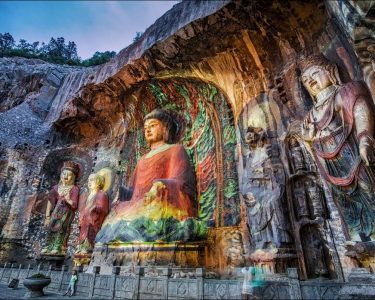
| Fengxian Temple (奉先寺) | Tang Dynasty (Late 7th Century) | Colossal central Vairocana Buddha (17.14m tall), flanked by disciples, bodhisattvas, and guardians. Known for its realistic, full-figured, and serene Tang style. | The largest and most impressive open-air grotto, often considered the pinnacle of Tang Dynasty sculptural art at Longmen. Located prominently on the western cliff. |
| Binyang Caves (宾阳洞) | Northern Wei Dynasty (Early 6th Century) & Tang Dynasty | Comprises three caves (North, Middle, South). Original Northern Wei style shows slender Buddhas with elongated faces and “waterfall drapery.” The Middle Binyang Cave is the best preserved Northern Wei example. | Commissioned by Emperor Xuanwu, reflecting the early imperial patronage. The North and South Binyang Caves were completed later during the Tang, showcasing stylistic shifts. Located on the western bank, north of Fengxian Temple. |
| Guyang Cave (古阳洞) | Northern Wei Dynasty (Late 5th – Early 6th Century) | The earliest and largest cave from the Northern Wei period. Features numerous small niches, each with donor inscriptions detailing dedications. Buddhas are often slender, elongated, with a nascent smile. | Contains some of the earliest and most important examples of Northern Wei Buddhist art at Longmen. Provides a rich historical record through its extensive inscriptions. Located on the western bank, south of Binyang. |
| Wanfo Cave (万佛洞 – “Cave of Ten Thousand Buddhas”) | Tang Dynasty (Late 7th Century) | Features precisely 15,000 miniature Buddhas carved into the northern wall, along with a large central Buddha and an exquisitely carved apse with musicians and dancers. | Notable for its immense quantity of small carvings and the intricate details of its larger figures. Located on the western bank, south of Fengxian Temple. |
| Kanjing Temple Cave (看经寺洞 – “Sutra-Reading Temple Cave”) | Tang Dynasty (Late 7th – Early 8th Century) | Distinctive for its 29 arhats (disciples of Buddha) carved in high relief along the walls, depicted with realistic and expressive features. | The only cave at Longmen dedicated primarily to arhats, offering a unique iconographic representation. Located on the eastern bank of the Yi River. |
Understanding these distinct characteristics allows visitors to move beyond simply observing carvings to actively interpreting the historical narratives and artistic developments embedded within the Longmen Grottoes. Each cave group tells a part of the story, from the early imperial fervor of the Northern Wei to the mature grandeur of the Tang Dynasty.
Interpreting Longmen Grottoes Artistry: Common Pitfalls for First-Time Visitors
Approaching the Longmen Grottoes requires more than just visual appreciation; it demands an understanding of the historical, religious, and artistic contexts that shaped these monumental carvings. First-time visitors, eager to absorb the sheer scale and beauty, can sometimes overlook crucial details that deepen their understanding. Avoiding these common pitfalls ensures a more meaningful engagement with this profound cultural heritage.
- Focusing Exclusively on Size Over Artistic Nuance: While the colossal statues, particularly at Fengxian Temple, are undeniably impressive, many smaller niches and intricate carvings reveal equally significant artistic skill and stylistic evolution. Overlooking the delicate drapery, facial expressions, or symbolic hand gestures of smaller figures can mean missing key insights into Buddhist art development.
- Ignoring Inscriptions and Their Historical Value: Many caves, especially Guyang Cave, are covered with inscriptions by donors, sculptors, and pilgrims. These are not merely decorative elements but invaluable primary sources providing names, dates, motivations, and even glimpses into societal structures and religious beliefs of the time. Without acknowledging these, a crucial layer of historical context is lost.
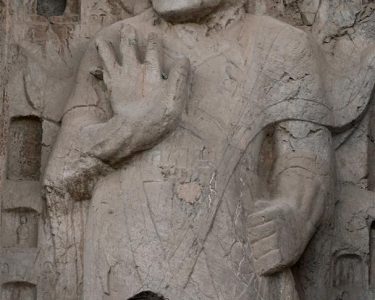
- Underestimating the Impact of Weathering and Damage: Centuries of exposure to the elements, coupled with historical events and human intervention (including looting), have significantly impacted many sculptures. Seeing a damaged or weathered statue not just as a ruin, but as a testament to its long journey through time, adds a layer of appreciation for its survival and the ongoing preservation efforts.
- Missing the Stylistic Evolution Across Dynasties: The Longmen Grottoes clearly display a transition from the Northern Wei Dynasty’s slender, ethereal figures with elongated faces and “waterfall drapery” to the Tang Dynasty’s more robust, realistic, and sensuous forms. Failing to recognize these distinct stylistic markers can lead to a monolithic view of the art, rather than an appreciation of its dynamic development.
- Overlooking the Role of Patronage: The creation of these grottoes was a massive undertaking, driven by imperial families, aristocrats, and religious devotees. Understanding who commissioned which caves and why (e.g., for spiritual merit, political power, or to honor ancestors) provides critical insight into the motivations behind the artistic output and the social forces at play.
By actively seeking out these details and understanding the broader context, visitors can move beyond a superficial viewing to a much deeper and more informed appreciation of the Longmen Grottoes as a repository of human history and artistic achievement.
The Enduring Legacy of Longmen Grottoes: A B2B Perspective on Preservation
The Longmen Grottoes stand as a testament to human ingenuity and devotion, but their continued existence relies heavily on robust preservation strategies. From a B2B perspective, managing a site of such immense historical and cultural value involves complex technical and logistical challenges that resonate with broader principles of long-term asset management and sustainability. The focus shifts from merely identifying cave groups to understanding the sophisticated efforts required to protect them for future generations.
Preservation efforts at the Longmen Grottoes involve a multi-faceted approach, mirroring best practices in industrial and infrastructure maintenance. This includes continuous monitoring of environmental factors like humidity, temperature, and air quality, which can accelerate the degradation of the limestone and pigments. Advanced analytical techniques are employed to assess the structural integrity of the caves and the stability of the carvings, identifying areas prone to collapse or erosion.
Moreover, the technical teams responsible for the site often engage in sophisticated restoration work. This is not simply about repair, but about meticulous conservation that respects the original materials and artistic intent, often employing specialized materials and non-invasive methods. Documentation, including 3D scanning and high-resolution imaging, plays a critical role, creating digital archives that serve as invaluable resources for research, virtual tourism, and disaster recovery planning. This level of precision and foresight is paramount in any field dealing with high-value, irreplaceable assets.
The sustainable management of the Longmen Grottoes also involves balancing accessibility for millions of visitors with the imperative of protection. This necessitates careful visitor flow management, infrastructure development that minimizes impact, and educational programs designed to foster appreciation and responsible engagement. These operational considerations, from risk assessment to resource allocation, reflect common challenges faced by businesses in various sectors committed to responsible stewardship and long-term viability. The methods employed to protect this ancient heritage provide valuable case studies in comprehensive technical management and the application of specialized expertise to unique challenges.

For comprehensive technical insights into cultural heritage site management and preservation, please connect with our specialist team.