By
By How Yi River Cliffs Shape Luoyang Longmen Grottoes
Why were the caves placed where they are, rather than scattered evenly across the landscape? The answer begins with the narrow valley of the Yi River, where rock quality, cliff shape, water access, light, and visibility worked together. The luoyang longmen grottoes are not simply artworks placed on a convenient wall; their setting determined where carving was practical and where viewers could experience the monuments from the river corridor.
For culture-focused visitors and students, understanding this relationship changes how the site is read. Instead of seeing a sequence of separate shrines, look for a landscape system: a river below, carved rock faces beside it, routes that follow the valley, and changing sightlines between one bank and the other. The luoyang longmen grottoes make the most sense when geology and movement are considered together.
Read the valley before reading individual caves
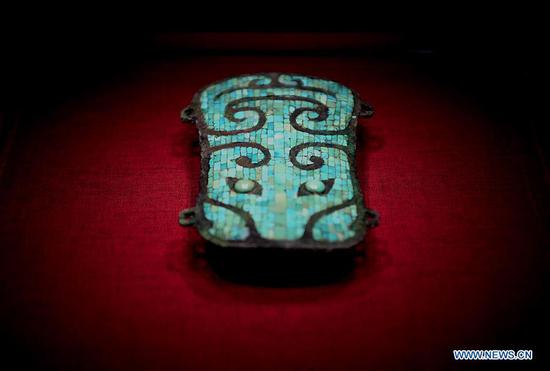
The Yi River valley provides the physical frame for the luoyang longmen grottoes. A gorge-like passage creates exposed cliff faces close to a water route, making the rock visible to people approaching through the valley. This setting matters because a cave temple is both an interior religious space and an exterior public statement. A carving hidden behind unstable slopes or far from a travel route would have had less practical and visual value.
The first useful step is to separate three questions during a visit or research exercise:
- Where is the workable rock? Look for continuous exposed faces rather than fragmented outcrops or soil-covered slopes.
- Where could people approach safely? Consider the riverbank, paths, terraces, and the relationship between the cliff base and the valley route.
- Where could carvings be seen? Notice whether a façade faces the river corridor, another bank, a path, or a restricted recess.
This approach fits visitors who want to understand site layout rather than memorize a list of famous caves. It does not replace close study of iconography, inscriptions, patronage, or chronology. Those subjects answer different questions. The valley reading explains why the artistic program occupies this particular physical setting.
A useful comparison is to imagine a cliff that is visually dramatic but unsuitable for carving. If its surface is heavily fractured, persistently wet, or difficult to reach, dramatic scenery alone does not make it a good location for a cave. Conversely, an accessible rock face with little exposure to passing viewers may function as a more secluded devotional setting. The placement of the luoyang longmen grottoes reflects choices between these conditions.
How limestone and cliff orientation controlled carving, preservation, and viewing
The key boundary is the connection between the Yi River valley’s limestone geology and the direction of its cliffs. These features affected where caves could be carved, how well surfaces could endure exposure, and how visitors could see the façades from paths and across the river. For the luoyang longmen grottoes, geology was not background scenery. It was a working condition.
| Site parameter | What it affects in practice | What goes wrong when it is ignored | What a visitor or student should check |
|---|---|---|---|
| Rock continuity | A broad, coherent face provides more room for a carved chamber, façade, and surrounding details. | A broken or interrupted surface limits carving options and can force an irregular layout. | Compare long cliff faces with areas where layers, joints, or fallen material interrupt the wall. |
| Fractures and bedding | Natural planes in the rock influence where openings, niches, and larger carved zones can be placed. | Placing a chamber without regard to weakness can leave vulnerable edges or unstable-looking surfaces. | Observe lines, seams, and changes in texture around cave entrances without touching the monument. |
| Cliff orientation | The direction a face receives light, wind, rain, and river-facing views affects appearance and exposure. | Assuming every façade was designed for identical visibility overlooks why some spaces feel prominent and others sheltered. | Notice when reliefs are illuminated, shaded, exposed, or easier to see from the opposite side of the valley. |
| Runoff path | Water moving down a slope can affect a façade, roofline, entrance, and carved surface. | Reading dark streaks or weathered zones as artistic choices alone can produce a misleading interpretation. | Look for natural drainage patterns above and around a carved area, without treating every mark as recent damage. |
| River corridor | The valley creates approach routes and long views that connect monuments on different cliff faces. | Viewing each cave only at close range misses its intended relationship with movement through the landscape. | Pause at wider viewpoints and trace how the river, paths, and cliffs organize the scene. |
The practical conclusion is straightforward: the most favorable areas combine carveable rock, an exposed but manageable cliff face, and a meaningful visual relationship with the valley. This is especially useful when comparing prominent façades with smaller niches. It does not mean that every surviving cave occupies ideal rock. Religious purpose, patronage, available labor, and changing site use also shaped decisions.
Cliff orientation deserves particular attention. Light can make a relief legible from one viewpoint while leaving it subdued from another. Shelter can protect some surfaces from direct exposure, while a more open face may offer stronger visual presence. A researcher who treats orientation as a decorative detail will miss a major part of how the luoyang longmen grottoes function as a landscape monument.
Use a field-reading sequence instead of a sightseeing sequence
A productive visit starts with the valley and narrows toward individual carvings. This method helps students avoid a common mistake: studying a cave interior first and trying to reconstruct its environmental setting afterward. At the luoyang longmen grottoes, the surrounding terrain should be read before detailed iconographic interpretation.
- Start at a broad river view. Identify the two sides of the valley, the height and continuity of exposed rock, and the main direction of movement through the corridor.
- Choose one visible cliff sector. Ask why this section, rather than an adjacent section, offered a viable carved face.
- Trace the cliff from top to base. Look for the relationship between slope above, vertical wall, cave openings, and the route below.
- Compare a large façade with a smaller niche. Consider whether the difference reflects visibility, available wall area, protection, ceremonial importance, or several factors together.
- Change your viewing position. Observe from near the cliff, along the path, and where possible from a wider cross-valley viewpoint.
- Record evidence separately from interpretation. Write “the façade faces the river corridor” before writing “the façade was intended for distant viewing.” The second statement requires careful support.
This sequence fits independent learners, guided study groups, and educators planning a focused site discussion. Its limit is access: some views may be restricted by visitor routes, conservation controls, weather, or crowd conditions. When a direct view is unavailable, maps, photographs, and official site material can still support a landscape-based reading.
The UNESCO World Heritage listing is a useful starting point for placing the luoyang longmen grottoes within their wider cultural and artistic significance. However, an official listing should not be used as a substitute for observing the physical relationship between cliff, river, and route on the ground.
Avoid the layout mistakes that flatten the site into a backdrop
The most common interpretive errors come from separating the carved art from its environmental setting. These mistakes matter because they lead visitors to misunderstand why particular caves are prominent, why others are recessed, and why the river valley remains central to the experience of the luoyang longmen grottoes.
- Mistake: treating every cliff surface as equally suitable.
Better approach: compare the continuity, visible fractures, drainage signs, and accessibility of adjacent rock faces. Suitable carving ground is selective, not automatic. - Mistake: assuming a cave was designed only for people standing directly outside it.
Better approach: examine long-distance and cross-valley sightlines. Some façades participate in a wider visual route. - Mistake: reading weathering as an original artistic feature.
Better approach: distinguish carved form from surface change caused by exposure, water movement, and time. Avoid firm conclusions from a single stain or worn edge. - Mistake: ignoring the river because modern paths dominate the visit.
Better approach: use the river as an organizing line for understanding approach, visibility, and the placement of cliff-side monuments. - Mistake: treating orientation as a compass fact only.
Better approach: ask what orientation changes: light on reliefs, shelter from weather, visual prominence, and the direction from which a visitor encounters a façade.
These checks are most useful when the goal is interpretation, photography planning, or study notes. They do not authorize visitors to enter closed areas, touch surfaces, climb slopes, or conduct informal condition assessments. The preservation of the luoyang longmen grottoes depends on respecting established access and conservation rules.
Build a stronger research question from the river-cliff relationship
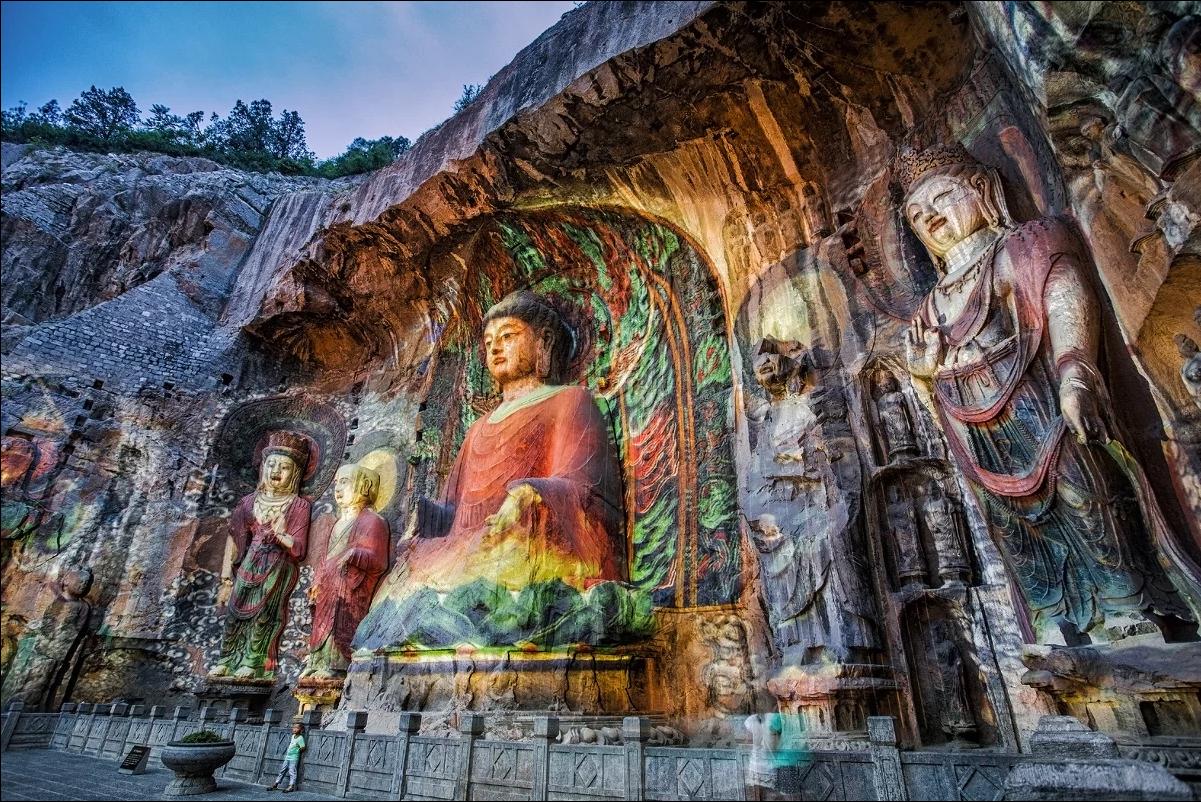
A vague question such as “What is the most famous cave?” often produces a sightseeing answer. A better question links artistic form to physical setting. For example: “How does a river-facing cliff location change the visibility and spatial role of a carved façade?” That question can be investigated through direct observation, photographs, route mapping, and comparison between cliff sectors.
| Research question | Evidence to gather | Useful conclusion | Limit to state clearly |
|---|---|---|---|
| Why is this carved area more prominent than its neighbor? | Cliff exposure, path alignment, river-facing position, and size of visible rock surface. | Prominence may result from both physical opportunity and deliberate visual placement. | Physical visibility alone cannot prove patron intent. |
| How does orientation affect the viewer’s experience? | Light conditions, shade, approach direction, and cross-valley views. | Orientation shapes legibility and encounter, not merely map position. | Conditions change with season, weather, and time of day. |
| Why are some carvings more sheltered? | Recess depth, overhangs, slope above, and runoff paths. | Shelter can influence exposure and viewing intimacy. | It cannot by itself explain artistic importance or survival condition. |
The central lesson is that the luoyang longmen grottoes should be read as carved art within a working geological landscape. The Yi River valley supplied the visible corridor; limestone cliffs supplied the carving ground; orientation shaped exposure and perception. When these elements are studied together, individual caves become part of a connected spatial argument rather than isolated stops on an itinerary.
For help structuring a cultural study itinerary or research brief around the luoyang longmen grottoes, request site-selection advice before finalizing your visit plan.