 By
By Understanding the Unique Flow of a Luoyang Water Banquet
What exactly defines a Luoyang Water Banquet (Luoyang Shuixi), and why is its structure so profoundly different from other famous Chinese feasts? For international hospitality managers, culinary tour operators, and event planners, understanding this distinction is key to presenting an authentic and memorable cultural experience. Unlike the familiar family-style spread of Cantonese or Sichuan banquets, the tradition from Luoyang, a former imperial capital, follows a unique, sequential, and soup-centric format rooted in centuries of history.
The “water” in its name refers to two core principles. First, the prominence of soups and broths; many of the key dishes are served in liquid. Second, and more importantly, it describes the seamless flow of the meal, where courses arrive one after another like flowing water. Once a dish is finished, it is cleared, and the next one immediately takes its place, creating a continuous culinary journey for the diners.
The “Water” Philosophy: More Than Just Soup
The foundational concept of a Luoyang Water Banquet is a departure from the typical Chinese dining format where multiple dishes are placed on the table simultaneously for shared consumption. Here, the structure is deliberate and linear, guiding the diner through a carefully curated sequence of flavors and textures. This approach ensures that each dish is enjoyed at its ideal temperature and in the order intended by the chef.
This banquet style is a direct reflection of the region’s history and geography. Originating in the ancient capital, it was influenced by imperial court dining standards, which emphasized formality and order. Furthermore, the climate of the central plains—cold and dry in winter—made hot, nourishing soups particularly desirable. The cuisine features a masterful balance of sour and spicy notes, designed to whet the appetite and aid digestion throughout the lengthy meal, which traditionally consists of 24 distinct courses.
How the Water Banquet Compares to Other Chinese Feasts
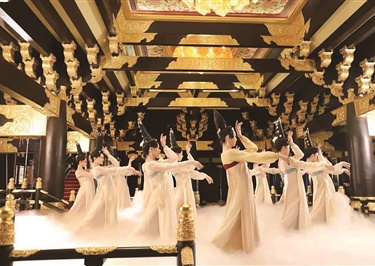
To appreciate the unique nature of the Luoyang Water Banquet, it is helpful to compare its structure and philosophy with other well-known Chinese banquet styles. The primary differentiator is its soup-led, sequential service, which contrasts sharply with the communal, multi-dish presentations common elsewhere in China. This structure is not arbitrary; it is deeply rooted in the cultural and historical context of the Tang Dynasty, a period of great prosperity and cultural development when Luoyang served as a capital.
The reasoning behind the sequence is twofold:
- Palate Progression: The meal is designed to move from lighter, appetite-stimulating flavors to richer, more complex ones, and finally to a satisfying conclusion. The initial cold dishes and light soups open up the palate, preparing it for the more substantial main courses that follow.
- Imperial Formality: The one-at-a-time service echoes the formal dining etiquette of the imperial court. It focuses the diners’ attention on a single dish, encouraging appreciation of its specific ingredients and preparation. This contrasts with the more boisterous, communal atmosphere of a family-style meal.
The following table breaks down the key differences for businesses planning culinary events or tours.
| Feature | Luoyang Water Banquet | Cantonese Banquet | Sichuan Banquet |
|---|---|---|---|
| Course Progression | Strictly sequential (24 courses served one by one). Soup is a major component of multiple courses. | Served in waves, but multiple dishes are on the table at once for communal sharing. Soup is typically a single, distinct course. | Multiple dishes served simultaneously (family-style). Hot pot is a common central, interactive feature. |
| Core Flavor Profile | Balanced sour and spicy flavors, with an emphasis on broths and savory umami notes. Not overwhelmingly hot. | Emphasis on the natural, fresh flavors of the ingredients. Mild, savory, and subtly sweet. Steaming and stir-frying are key. | Bold, complex flavors characterized by the “ma la” (numbing and spicy) combination of Sichuan peppercorns and chili. |
| Service Style | Formal, with dishes cleared after each course. Pacing is critical to the experience. | Communal and celebratory. Diners serve themselves from shared platters. | Lively and communal. Focus is on a wide variety of shared dishes to be sampled together. |
| Cultural Origin | Imperial court dining of the Tang Dynasty in China’s central plains. Reflects formality and regional climate. | Merchant and trade culture of Guangdong province. Emphasizes freshness, seasonality, and high-quality seafood. | Folk traditions of Sichuan province. Flavors are designed to combat the region’s humidity and stimulate appetite. |
Anatomy of a 24-Course Luoyang Banquet
A full Luoyang Water Banquet is a marathon, not a sprint. The 24 dishes are meticulously organized into a prelude, a main act, and a finale. While variations exist, the classic structure provides a framework that has been preserved for generations. Understanding this flow is essential for anyone looking to replicate or market this unique dining experience.
Here is a breakdown of the typical progression:
- The Prelude: The First Eight Courses (Eight Cold Dishes)
The meal begins with eight cold appetizer dishes, often four meat and four vegetable preparations. These are designed to be light and refreshing, awakening the palate with a variety of textures and subtle flavors. They are the only dishes that may be placed on the table together before the main event begins. - The Main Act: The Sixteen Hot Dishes
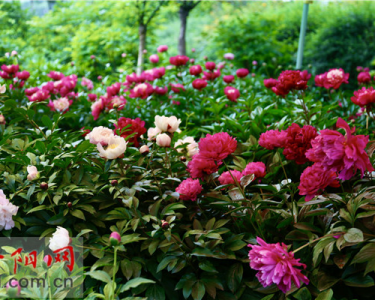
This is the core of the banquet, where the “flowing water” concept comes to life. These sixteen dishes are served one by one and are further subdivided. The first four are the main soup courses, known as the “four pillars.” A famous example is the Luoyang Yan Cai (Peony’s Nest Soup), a savory creation with shredded radish that masterfully imitates bird’s nest. The subsequent courses alternate between different cooking styles—stir-frying, braising, steaming—and feature a mix of meat, vegetable, and seafood dishes, many served in their own distinct broths. - The Finale: The “Guest-Sending” Course
The meal concludes with a final, symbolic hot soup dish, often an egg drop soup with vegetables. This course signals that the main feast is over and that the staple foods, like rice or noodles, are about to be served, though in a banquet setting they are often omitted or served as a formality.
Buyer’s Checklist for Authentic Water Banquet Experiences
For travel agencies, hoteliers, or cultural event organizers aiming to offer an authentic Luoyang Water Banquet, success lies in managing expectations and understanding the nuances. A misrepresentation can lead to confusion for guests accustomed to other forms of Chinese dining. Avoid common pitfalls by using this checklist during your planning and sourcing process.
- ☐ Verify the Sequential Service: The single most important feature is the one-by-one course delivery. Confirm with the provider that they follow this protocol. A banquet where all dishes are served at once is not a true Water Banquet.
- ☐ Check for Key Signature Dishes: Does the proposed menu include iconic courses like Luoyang Yan Cai? The inclusion of specific, historically significant dishes is a mark of authenticity. Ask for a sample menu and research the key items.
- ☐ Inquire About Pacing: The time between courses is crucial. It should be long enough for guests to savor each dish but short enough to maintain the “flowing” momentum. Discuss the expected duration of the full meal with the chef or restaurant manager. A 24-course meal can take several hours.
- ☐ Clarify the “Soup” Concept: Ensure your marketing materials and guest briefings explain that “water” refers to the flow and broth-heavy nature of the meal, not blandness. Highlight the sophisticated sour and spicy flavor profiles.
- ☐ Set Expectations on Portion Size: Because there are 24 courses, individual portion sizes are modest. Guests should be advised that it is a tasting journey, preventing them from overindulging early and being unable to complete the experience.
- ☐ Prepare for the Formal Finale: Explain the purpose of the final “guest-sending” soup. This avoids the awkwardness of guests expecting several more main courses when the meal is actually winding down.
By focusing on these details, you can ensure the Luoyang Water Banquet you offer is not just a meal, but a genuine and fascinating immersion into the culinary heritage of an ancient imperial capital.
To discuss how to integrate authentic culinary traditions like the Luoyang Water Banquet into your travel or hospitality programs, contact our technical team for a detailed consultation.