 By
By How to Distinguish Tang Sancai Ceramics from Later Three-Color Wares
For professionals evaluating or sourcing historical Chinese ceramics, accurately distinguishing between Tang Dynasty sancai ceramics and later three-color glazed wares is a fundamental analytical challenge. While all share a vibrant multi-color aesthetic, specific characteristics in form, glaze application, and historical context reveal their true origins and value. Understanding these nuances is crucial for precise identification and informed decision-making in the B2B export market. This guide provides the necessary framework to differentiate these important historical pieces.
Understanding Sancai Ceramics: The Tang Dynasty Foundation
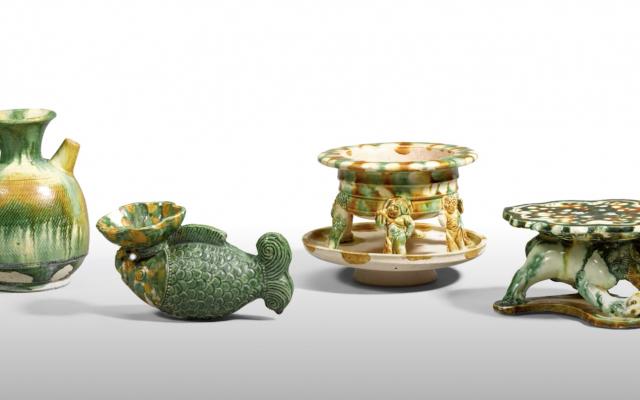
The term “sancai ceramics” (literally “three colors”) primarily refers to a distinctive type of lead-glazed earthenware produced during the Tang Dynasty (618-907 CE). These magnificent pieces were initially developed for funerary purposes, intended to accompany the deceased into the afterlife, reflecting the wealth and status of the tomb occupant. The characteristic palette typically includes amber, green, and cream or white, though blue and brown were also sometimes incorporated.
The technical brilliance of Tang sancai lies in its lead-silicate glaze. This low-fired glaze, applied over a white slip, would melt and flow during firing at approximately 700-900°C. This flowing action is a hallmark of Tang wares, creating a vibrant, often uncontrolled, blending of colors that gives each piece unique characteristics. The clay body beneath is typically a light buff or reddish earthenware. Common forms include magnificent tomb figures of horses, camels, court ladies, and officials, alongside vessels such as jars, bowls, and plates. These forms often exhibit a robust, naturalistic quality, capturing movement and expression.
Key Distinctions: Tang Sancai vs. Later Three-Color Wares
While the “three-color” concept persisted in Chinese ceramics, its manifestations changed significantly across dynasties. Here is a comparative breakdown of Tang sancai ceramics against later Liao, Ming, and revival three-color wares:
| Characteristic | Tang Dynasty Sancai (618-907 CE) | Liao Dynasty Three-Color (907-1125 CE) | Ming Dynasty Fahua/San-Ts’ai (1368-1644 CE) | Revival/Later Three-Color (Qing to Modern) |
|---|---|---|---|---|
| Typical Forms | Robust tomb figures (horses, camels, officials, ladies), large vessels (jars, amphorae), plates. Naturalistic, often monumental. | Practical vessels (jars, vases, plates), funerary wares. Forms often show Northern nomadic influences, sometimes cruder. | Architectural elements (roof tiles, temple ornaments), large altar vessels, garden seats, figural sculptures. Often highly decorative. | Diverse range, often direct copies of earlier forms, export wares, decorative objects, utilitarian items. |
| Glaze Behavior & Palette | Lead-silicate glazes. Colors (amber, green, cream) flow and pool significantly, creating soft, blended transitions without hard outlines. “Fat” or unctuous feel to the glaze surface. | Lead-silicate glazes. Glazes tend to be thinner, less vibrant, and more controlled than Tang. Colors often include browns, greens, and yellows, with less pooling. | “Fahua” style uses raised slip lines (like cloisonné wires) to delineate glaze areas, preventing bleeding. Colors are more distinct and vibrant, often including rich blues, purples, and turquoise. Glaze is typically thicker, with a jewel-like quality. | Glazes can be highly controlled or deliberately imitative of Tang flow. Often brighter, sometimes with a more uniform or ‘perfect’ finish due to modern techniques. Wider color range, including synthetic pigments. |
| Typical Use Contexts | Primarily luxury burial wares (mingqi), symbolizing status for the afterlife. Not for daily use. | Both funerary wares and utilitarian objects for daily life, reflecting nomadic culture and Buddhist practices. | Majorly for temple decoration, imperial gifts, and high-status decorative arts. Significant architectural use. | Primarily decorative arts, collectibles, tourist items, sometimes mass-produced for export. |
| Clay Body | Typically a light buff or reddish earthenware, often visible at unglazed areas (e.g., faces, bases). | Coarser earthenware, often grayish or reddish, sometimes with impurities. | Often a comparatively finer white stoneware or earthenware, sometimes with a more refined feel. | Highly variable, from coarse earthenware to refined porcelain, depending on the period and desired effect. |
Identifying Authenticity and Period-Specific Traits
Beyond the general characteristics, a keen eye for detail is essential when evaluating these ceramics. Identifying authentic Tang sancai ceramics requires attention to subtle cues that later imitations or related wares might lack.
- Examine Glaze Flow and Texture: Tang sancai glazes are famous for their uncontrolled flow, often pooling into thick, viscous areas. Look for this natural interaction of colors, particularly where they meet. The surface should feel ‘fat’ or unctuous, not perfectly smooth or thin. Later wares, especially Ming Fahua, will have clear outlines limiting glaze spread.
- Assess the Clay Body: The unglazed areas of Tang pieces, such as the faces of figures or bases of vessels, will reveal the underlying earthenware. This clay is typically a light buff or reddish-brown, often quite porous. Later copies might use different clay compositions or attempt to artificially age the exposed clay.
- Look for Signs of Age and Wear: Authentic ancient ceramics will show natural signs of age. This includes minor surface abrasions, subtle discoloration from burial, and sometimes a faint iridescent sheen (silvering) on the glaze surface caused by centuries of chemical interaction in the soil. Be wary of pieces with artificially applied patina or damage.
- Analyze Forms and Proportions: Tang forms possess a certain grandeur and naturalism that can be hard to replicate perfectly. Horses and camels are often powerfully built; figures are gracefully proportioned. Later imitations, particularly revival pieces, can sometimes appear stiff or less anatomically convincing.
- Consider Repair and Restoration: Many ancient pieces will have undergone some form of repair or restoration due to their age and fragile nature. While not necessarily a disqualifier, understanding the extent and quality of restoration is crucial for valuation. Look for discrepancies in color, texture, or join lines.
The Evolution of Three-Color Glaze Techniques
The journey from Tang sancai to later three-color wares reflects not only changing aesthetic tastes but also significant advancements and adaptations in ceramic technology. The core principle of using lead-silicate glazes for vibrant, low-fired coloration remained, but its application evolved.
The raw simplicity and flowing beauty of Tang sancai were a product of its spontaneous glaze behavior. The glazes were simply painted onto the biscuit-fired body, and during the second, low-temperature firing, they melted and spread, sometimes unpredictably. This method was ideal for the bold, expressive forms of the Tang period.
By the Liao Dynasty, while still using lead-silicate glazes, there was a shift towards more controlled application. Liao potters, influenced by both Tang precedents and their own nomadic culture, often produced more utilitarian forms. Their three-color glazes, while similar in composition, were typically thinner and less prone to the dramatic pooling seen in Tang wares. The palette also broadened, and designs became more integrated with the vessel’s form, rather than being purely decorative surface applications.
The Ming Dynasty marked a significant technical innovation with the development of the *fahua* (or “Fa Hua”) technique. This method, often translated as “patterned wares,” involved applying raised slip lines to the ceramic body before glazing. These lines acted as miniature dams, preventing the different colored glazes from running into each other during firing. This allowed for much crisper, more delineated designs, often featuring intricate patterns of flowers, birds, and narrative scenes. The Ming palette also expanded to include rich blues and purples, giving these wares a distinct, jewel-like quality quite different from the softer Tang aesthetic.
Later, during the Qing Dynasty and into modern times, the three-color tradition continued through various revival styles. Potters often sought to emulate the beauty of Tang sancai, sometimes with remarkable fidelity, but modern firing controls and materials can often be detected by an experienced eye. These revival pieces might lack the subtle imperfections, the specific clay body characteristics, or the nuanced glaze patination that comes from centuries of burial and natural aging. Understanding this continuous evolution is key to accurately placing any three-color ceramic within its historical context.
For further insights or specific guidance on identifying and sourcing historical Chinese ceramics for your B2B needs, we encourage you to connect with our technical team.