 By
By First-Time Visitors to China Luoyang Should Group Districts Before Building an Itinerary
Here’s the question most trip-planning searches never actually answer: how do the Old City, the Longmen Grottoes area, and the scattered temple sites around Luoyang connect to one another on the ground? Guidebooks list attractions in order of fame, not geography, which leaves first-time visitors to China Luoyang guessing whether two “must-see” sites are ten minutes apart or an hour apart by taxi. That gap between attraction-ranking and actual transit reality is what causes wasted mornings and rushed afternoons. The fix isn’t a longer list — it’s grouping.
The Question Most Itinerary Guides Skip
Most travel content answers “what should I see” but skips “how do these places sit relative to each other.” Luoyang’s historic sites aren’t clustered in one walkable core the way some ancient capitals are. They spread across three distinct zones, each with its own transit pattern. Treating them as one continuous city center is the single most common planning error we see repeated across forums and pre-built itineraries.
Understanding the Silk Road context helps explain why: Luoyang served as an eastern terminus and imperial capital across multiple dynasties, so its historic footprint expanded outward in phases rather than staying centralized. That layered history is exactly why a modern visitor needs a spatial model, not a checklist.
Group Old City, Longmen, and Temple-Area Sites by Location and Transit Links
Rather than researching each landmark individually, split Luoyang into three practical clusters. Each cluster shares a transit corridor, so once you’re inside one zone, moving between its internal sites is quick. Moving between zones is where the real time cost sits.
| Cluster | Core Sites | Distance from City Center | Typical Transit Link | Suggested Visit Block |
|---|---|---|---|---|
| Old City District | Old Street area, city walls remnants, local markets | Central, walkable core | Walking or short taxi rides within the district | Half-day, evening-friendly |
| Longmen Corridor | Longmen Grottoes and riverside approach paths | South of the city center | Bus lines or taxi along a single southbound route | Full morning to early afternoon |
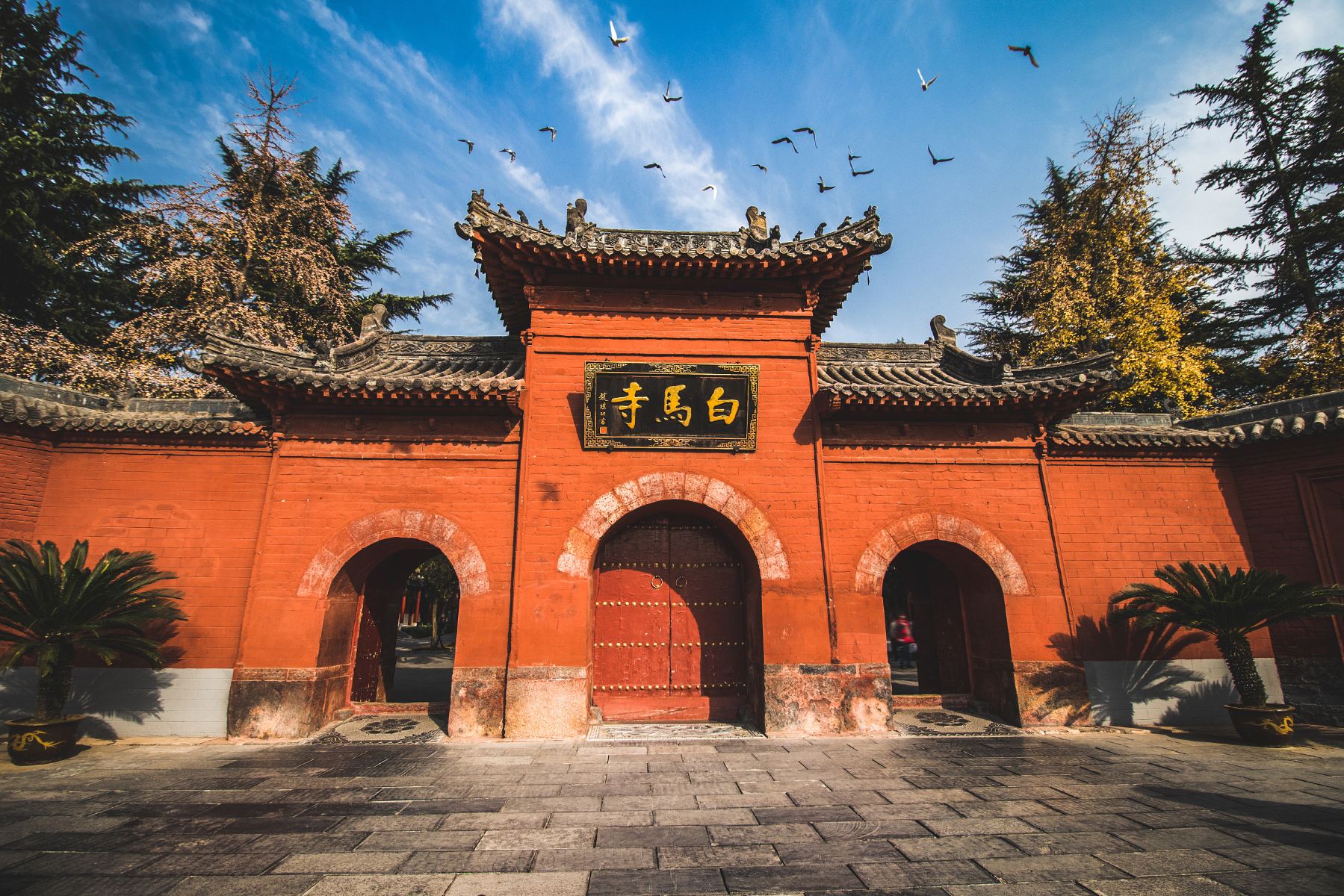
| Temple-Area Zone | White Horse Temple and nearby smaller temple sites | East of the city center, separate from Longmen | Direct bus or taxi on an eastbound road, distinct from the Longmen route | Half-day, best scheduled alone |
The key checkpoint here: Longmen and the temple zone sit in opposite directions from the city center. Trying to combine them in one day means backtracking through the center twice — a mistake that eats two to three hours of pure transit with no sightseeing value. Group by direction, not by fame.
A Practical Step-by-Step Method to Map Your Route
Once you understand the three-cluster model, turning it into a working itinerary is mechanical. Follow this sequence:
- Identify your base hotel zone first. Booking near the Old City typically shortens your daily return trips, since two of the three clusters connect back through the center. Failure reason: booking based on room price alone often lands visitors far from any transit corridor.
- Assign one cluster per day, not per attraction. Treat Longmen as its own day, temples as another, Old City as a flexible half-day. Failure reason: splitting a single cluster across two days doubles transit cost for no added sightseeing time.
- Check the transit link before locking your schedule. Confirm whether the connecting bus or taxi route runs directly or requires a transfer near the center. Failure reason: assuming all routes are direct, then discovering a mid-route transfer that adds thirty to forty minutes unexpectedly.
- Build a buffer between cluster transitions. Even a “close on the map” transition can take longer during peak traffic hours. Failure reason: back-to-back bookings with zero slack, which collapses the whole day if one stop runs long.
- Confirm site accessibility patterns before finalizing order. Some temple-area sites and the Longmen site can see very different visitor flow depending on the season and time of day. Failure reason: scheduling the busiest site for a Saturday midday slot without checking crowd patterns in advance.
A Worked Example
Consider a three-day stay based near the Old City. Day one covers Old City sites on foot, ending with an evening walk through the old streets. Day two is dedicated entirely to the Longmen corridor — travel south in the morning, spend several hours at the site, return by early evening. Day three shifts east to the temple zone, treated as a standalone half-day with the afternoon left open for rest or a return to Old City shops. This sequence avoids crossing the city more than once per day, which is the core efficiency gain of the cluster method.
Common Mistakes When Sequencing Luoyang’s Districts
- Crossing the city twice in one day — combining Longmen in the morning and temple sites in the afternoon looks efficient on paper but means two separate long transit legs through the center.
- Booking accommodation without checking cluster proximity — a hotel that looks central on a map app may still add real transit time to two out of three clusters.
- Treating the temple-area zone as one stop — some visitors assume it’s a single compact site and under-budget the half-day it actually needs.
- Ignoring peak visitor flow near Longmen — arriving at the same time as tour groups adds queueing time that isn’t reflected in typical guide estimates.
- Skipping the return-transit check at night — some routes run less frequently after early evening, which matters if an Old City dinner is planned after a Longmen day trip.
A Decision Checklist Before You Finalize Hotel and Route Bookings
- Does your hotel sit within or near the Old City cluster, or will every day start with a long transfer?
- Have you assigned exactly one cluster per day, with no attraction split across two zones?
- Have you confirmed whether each cluster’s transit route is direct or requires a transfer?
- Is there a buffer window of at least thirty minutes built into each cluster transition?
- Have you checked visitor flow patterns for the day and time you plan to visit Longmen?
- Does your return transit still run at the hour you expect to finish each day’s cluster?
This checklist applies well to independent, first-time visitors building a three-to-four day stay. It applies less cleanly to travelers on a single overnight layover, where cutting to just one cluster — usually Longmen, given its UNESCO World Heritage recognition — makes more sense than attempting all three zones.
Planning a route through China Luoyang works best when geography drives the schedule, not a ranked list of landmarks. Group first, sequence second, and the transit time that usually eats into sightseeing hours mostly disappears.
If you’re mapping out a Luoyang itinerary and want a second opinion on your route or hotel zone before booking, reach out and we’re happy to review your draft schedule.