 By
By Match Luoyang Peony Season to Historic Sites
Most first-time visitors to Luoyang ask one question: can I see the peonies and the ancient sites in a single trip without wasting a day? The answer depends less on luck and more on matching bloom timing to specific locations. Luoyang’s flowering window stretches roughly from early April through early May, but not all gardens peak at once. Elevation, microclimate, and cultivar selection shift bloom periods by a week or more. Pair the right garden with the right heritage site, and a two-day itinerary covers both without backtracking.
This guide breaks down the bloom calendar into early, peak, and late periods, then maps each phase to the Longmen Grottoes, White Horse Temple, and the old town walking routes. Use the Luoyang bloom logic below to build a route that respects both flower timing and site logistics.
Luoyang Bloom Calendar: Early, Peak, and Late Periods
Luoyang’s peony season is not a single event. It is a rolling sequence of cultivar groups that open and fade over four to five weeks. Understanding this sequence prevents the classic disappointment of arriving on April 25 expecting peak color and finding spent blooms in the city-center gardens.
Early Period: April 1 to April 12
The first flowers appear in the warmest, most sheltered garden beds. These are typically single-petal and semi-double cultivars bred for early forcing. Color volume is modest — expect scattered blooms rather than dense carpets. The advantage is crowd levels: early April sees far fewer tour groups than late April.
Where to go: City-center parks with south-facing walls and urban heat retention open first. Gardens near the Luo River also benefit from slightly warmer night temperatures.
Limit: Do not expect the iconic full-field photographs. Early period works best for travelers who prioritize uncrowded heritage sites and treat flowers as a bonus.
Peak Period: April 13 to April 25
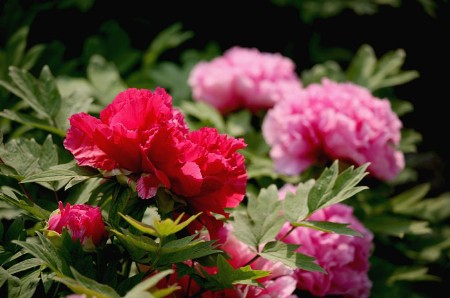
This is the window most visitors target. Mid-season double cultivars, tree peonies, and the classic Luoyang red and pink varieties reach full flower. Bloom density is highest, fragrance is strongest, and photography conditions are best in morning light.
Trade-off: Crowds peak alongside the flowers. Longmen Grottoes and White Horse Temple see their heaviest domestic tourist flow during this fortnight. Book entry slots and arrive before 8:30 AM.
Late Period: April 26 to May 10
Late-blooming cultivars, including many yellow and purple varieties, carry the season into early May. Higher-elevation gardens and shaded beds retain good color while lowland city parks fade. Late period is the best choice for travelers combining Luoyang with a broader Henan route, since the weather is warmer and the worst crowds have thinned.
Limit: Some iconic central gardens may already be past peak. Target specific late-bloom gardens rather than assuming every location still flowers.
| Period | Dates | Bloom Character | Best Visitor Profile |
|---|---|---|---|
| Early | Apr 1–12 | Scattered single blooms, low density | Heritage-first travelers, crowd-averse |
| Peak | Apr 13–25 | Full color, dense beds, strong scent | Photographers, first-time flower visitors |
| Late | Apr 26–May 10 | Late cultivars, cooler microclimates | Multi-city itineraries, relaxed pacing |
How to Pair Bloom Timing with Specific Heritage Sites and Outdoor Routes
Luoyang’s historic attractions sit at different elevations and distances from the city center. That geography creates a natural pairing logic: match each bloom phase to the site whose logistics and microclimate suit it best.
Step 1: Pair Early Blooms with Longmen Grottoes
The Longmen Grottoes lie south of the city along the Yi River. The site is largely open-air stone carving, with little shade and significant walking. In early April, temperatures are mild and visitor numbers are low. The river valley warms slightly faster than surrounding hills, so nearby small gardens and riverbank plantings often show the season’s first color.
Conclusion: Schedule Longmen for an early-period morning. You get the site at its quietest, and any early blooms along the river add color without the crowds.
Reasoning: Longmen demands physical stamina. Walking the full cliff-face route in late April heat is exhausting. Early spring temperatures make the two-to-three-hour route comfortable.
Limit: Longmen itself is not a peony garden. Do not expect dense flower displays at the grottoes. The pairing works because early bloom gardens are nearby, not on-site.
Step 2: Reserve Peak Bloom for the City-Center Gardens and Old Town Route
The densest peony displays sit in the city’s dedicated gardens, most within a short drive or walk of the old town. During peak bloom, these gardens are the main event. The old town walking route — from Lijing Gate through the historic alleys — connects several smaller garden entrances and street-side plantings.
Conclusion: Dedicate one full peak-period day to the central gardens and old town. Start at a major garden at opening time, break for lunch in the old town, then walk the historic streets in the afternoon.
Reasoning: Peak bloom is visually overwhelming in the best way. You want unhurried time inside the gardens. The old town route provides a natural midday break with food, shade, and architectural interest between garden visits.
Common failure: Trying to visit Longmen and a major garden on the same peak-period day. Travel time, crowds, and foot fatigue make both experiences worse. Split them across two days.
Step 3: Match Late Blooms with White Horse Temple and the Eastern Outskirts
White Horse Temple sits east of the urban core. The temple grounds include courtyards, halls, and open spaces that hold slightly cooler morning temperatures than the dense city center. Late-blooming peonies in the temple’s own plantings and nearby eastern gardens often outlast the central parks by several days.
Conclusion: Put White Horse Temple on a late-period morning. The temple opens early, the light is good for photography, and the surrounding area retains bloom color after the city-center gardens fade.
Reasoning: White Horse Temple is a contemplative site. Late April and early May afternoons bring large tour groups. A morning visit preserves the quieter atmosphere. The eastern microclimate extends flower viewing.
Limit: If your trip falls in the peak period, White Horse Temple still works — just accept larger crowds. The late-period advantage is relative, not absolute.
Step 4: Use Elevation as a Late-Season Buffer
Luoyang’s surrounding hills and northern garden areas sit slightly higher than the river plain. Cooler air delays bloom by three to seven days. If you arrive after April 25 and the central gardens look tired, head to higher-elevation gardens rather than assuming the season is over.
Actionable check: Ask locally which north-side or hill gardens still show color. The answer changes year to year based on spring temperatures.
Two-Day Itinerary Logic: Early vs. Peak vs. Late Arrival
The table below shows how the same two-day structure adapts to each bloom period. Adjust the order based on your arrival date.
| Arrival Period | Day 1 Morning | Day 1 Afternoon | Day 2 Morning | Day 2 Afternoon |
|---|---|---|---|---|
| Early (Apr 1–12) | Longmen Grottoes | Riverbank walk, early garden check | White Horse Temple | Old town walking route |
| Peak (Apr 13–25) | Major city garden at opening | Old town lunch and streets | Longmen Grottoes early | Second garden or free time |
| Late (Apr 26–May 10) | White Horse Temple | Eastern garden late blooms | Hill garden or north-side site | Old town walking route |
Common Mistakes That Break a Luoyang Flower-and-Heritage Trip
- Assuming all gardens peak together. Central lowland gardens open first; hill gardens lag by up to a week. Check which garden matches your dates.
- Putting Longmen at midday during peak bloom. The stone cliffs reflect heat, and the walkways jam with tour groups. Morning is non-negotiable for comfort.
- Skipping the old town on a peak-period day. The old town is not just filler. It provides shade, food, and a needed break between dense garden visits.
- Treating White Horse Temple as an afterthought. The temple deserves a quiet morning. Late afternoon visits mean harsh light and tired feet.
- Ignoring the late-season hill option. Many visitors leave disappointed on April 27 when a 20-minute drive north would show full bloom.
Buyer’s Decision Checklist for First-Time Visitors
Run through this list before locking your dates and booking any tickets.
- Confirm your exact arrival date against the three bloom periods above.
- Decide your priority: flowers first, heritage first, or balanced.
- If flowers are the priority, book around the peak period and accept crowds.
- If heritage is the priority, book early or late period and treat blooms as a bonus.
- Reserve Longmen Grottoes for a morning slot regardless of period.
- Budget one full day for gardens and old town during peak bloom.
- Check late-season hill garden status if arriving after April 25.
- Wear walking shoes — Longmen and the old town routes involve hours on stone and pavement.
A Realistic Worked Example
Suppose you arrive in Luoyang on April 15, squarely in the peak period. Your priority is balanced: you want the iconic flower photographs and the major heritage sites.
Day 1: Arrive the evening before. On April 15, enter a major central garden at 8:00 AM opening. Spend two hours photographing before the tour buses arrive. Walk to the old town for lunch at 11:30 AM. After lunch, follow the Lijing Gate route through the historic alleys, stopping at smaller garden entrances and street plantings. End by 4:00 PM.
Day 2: Book the earliest Longmen Grottoes entry. Arrive by 8:00 AM. Walk the full route along the river and cliff face. Finish by noon. After lunch, visit a second garden or return to the old town for shopping and tea. This order front-loads the flower experience on Day 1 and protects the Longmen visit from peak heat and crowds on Day 2.
The same trip on April 5 would flip: Longmen and White Horse Temple first, gardens as a secondary stop. The same trip on April 28 would replace the central garden with a hill garden or eastern garden near White Horse Temple.
Why the Sequence Matters More Than the Exact Date
Bloom timing shifts slightly every year. A warm March pulls everything forward; a cold April pushes it back. The sequence, however, stays stable: city-center gardens first, river-valley sites next, hill and eastern gardens last. Build your itinerary around that sequence rather than a fixed calendar date, and you stay flexible.
Check local bloom reports a few days before arrival. Adjust the pairing logic — early to Longmen, peak to central gardens and old town, late to White Horse Temple and hill areas — without scrapping the whole plan. That adaptability is what turns a good Luoyang trip into a great one.
Planning a spring route that balances flower timing with heritage logistics takes local knowledge. If you want help matching your arrival dates to the right garden and site sequence, send your travel window and priorities — we will suggest a concrete day-by-day route.