 By
By How to Reach Luoyang Grottoes Longmen by Metro Without Getting Lost at the Last Mile
Does the Luoyang metro actually stop at the Longmen Grottoes entrance, or will you still need a taxi for the final stretch? This is the question most independent travelers ask before they book a hotel or plan their day. The short answer: the metro gets you close, but not to the gate itself. Understanding where public transit ends and where walking begins is the difference between a smooth 40-minute transfer and an hour of confused backtracking near Luoyang grottoes longmen entrance zones. This guide walks through the exact sequence, the common failure points, and what the trip actually costs compared to alternatives.
Which Metro Line Gets You Closest to Longmen Grottoes
Luoyang’s metro network connects to the Longmen scenic area through a station near Longmen Avenue, roughly south of the historic city core. This station is the standard drop-off point for travelers heading to the grottoes, not a station literally named “Longmen Grottoes.” That naming mismatch causes more confusion than any other part of the trip — travelers searching for a stop called “Grottoes” on the map simply won’t find one.
| Transit Option | Nearest Stop to Entrance | Remaining Distance | Typical Reliability |
|---|---|---|---|
| Metro Line serving Longmen Avenue | Longmen Avenue Station | Short walk, well-signed route | High — fixed schedule, avoids road traffic |
| City bus routes | Varies by route, several stops near the scenic area | Moderate walk, less consistent signage | Medium — subject to street congestion |
| Taxi / ride-hailing | Drop-off near ticket plaza | Minimal walk | High on time, lower on cost predictability |
For most independent travelers, the metro line is the practical default. It avoids the unpredictable surface traffic around the UNESCO World Heritage Site entrance during peak tourist hours, and the fare is fixed regardless of road conditions. The trade-off is the walk after you exit — which is where most of the confusion actually happens.
Action: The Metro-to-Entrance Transfer Sequence, Step by Step
This is the part most travel guides skip over. Here is the actual sequence, from the moment you board the metro to the moment you reach the ticket gate.
- Step 1 — Board toward the Longmen Avenue direction. Confirm the train’s final destination matches the southbound Longmen direction, not a similarly named northbound stop. Mistaking direction is the single most common error at this stage.
- Step 2 — Exit at Longmen Avenue Station. This is where public transit ends. There is no further rail or tram connection into the scenic area itself.
- Step 3 — Identify the correct exit gate. Multiple exits serve different sides of the avenue. Signage toward the scenic area is usually posted, but travelers in a hurry often take the nearest exit instead of the signed one, adding unnecessary walking distance.
- Step 4 — Walk along the pedestrian corridor toward the ticket plaza. This stretch is where public transit truly stops and foot traffic takes over. The corridor is shared with other visitors, so expect a slower pace during holidays and weekends.
- Step 5 — Locate the ticket and entrance checkpoint. Tickets are purchased or validated before entering the grottoes area itself, not at the metro exit. Travelers who assume the metro ticket covers entrance fees are mistaken — these are entirely separate systems.
- Step 6 — Proceed through security and entry screening. Standard bag checks apply, similar to other major scenic sites in China.
The entire sequence, metro ride plus walk, typically takes less time than navigating the same distance by road taxi during high season, mainly because the walking corridor bypasses vehicle congestion near the entrance roundabout.
Common Mistakes Travelers Make on This Route
- Assuming a direct station name match. Searching for “Grottoes” instead of “Longmen Avenue” on transit apps wastes planning time.
- Boarding the wrong direction. Metro lines run both ways; the wrong direction adds a full backtrack.
- Underestimating the walk after exiting. Travelers expecting a metro-to-gate experience similar to subway-adjacent attractions elsewhere are often surprised by the additional walking segment.
- Arriving without pre-purchased or pre-booked entry. Ticketing queues at the plaza can be the actual bottleneck, not the transit itself.
- Ignoring peak-hour crowd density. Weekend mornings and national holidays significantly slow the walking corridor, even though the metro itself stays on schedule.
Cost and Time Breakdown: Metro vs Bus vs Taxi
| Option | Relative Cost | Time Predictability | Best For |
|---|---|---|---|
| Metro + walk | Lowest | High — fixed schedule, minor walk variability | Solo travelers, budget-conscious planning |
| City bus | Low | Medium — affected by surface traffic | Travelers already near a direct bus route |
| Taxi / ride-hailing | Highest | Variable — depends on road congestion near the site | Groups, travelers with luggage, early morning or late evening visits |
None of these options is universally “best.” The metro route fits travelers staying near a metro-connected hotel and comfortable with a short outdoor walk. It does not fit situations involving heavy luggage, mobility constraints, or very early departures before the metro’s first service window — in those cases, a taxi remains the more practical choice despite the higher cost.
A Worked Example: Planning a Half-Day Visit
Consider a traveler staying near central Luoyang who wants to visit the grottoes in the morning and return by early afternoon. The practical sequence looks like this: board the metro toward Longmen Avenue, exit and follow the signed pedestrian corridor, purchase or validate the entrance ticket, and allow buffer time for the walk back during the midday crowd peak. Travelers who build in this buffer rarely feel rushed; those who assume door-to-door transit speed often arrive at the ticket plaza later than expected, especially on weekends.
Decision Checklist Before You Rely on the Metro
- Is your accommodation within easy reach of a metro station on the correct line?
- Are you traveling light enough to manage the walking segment comfortably?
- Does your visit fall within the metro’s operating hours, including your planned return trip?
- Have you confirmed that metro fare and entrance tickets are separate purchases?
- Is your visit during a peak holiday period, where walking-corridor congestion may add noticeable time?
If the answers lean favorable, the metro route is the most cost-efficient and schedule-reliable way to reach the site. If several answers raise concerns — heavy luggage, mobility limits, very early departure — a taxi or pre-arranged transfer is the safer planning choice.
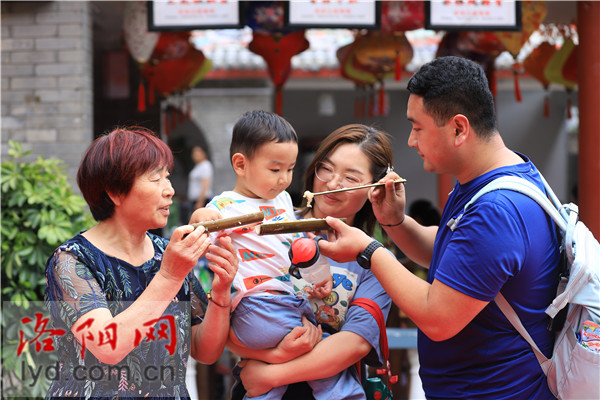
Understanding this transfer sequence in advance removes most of the uncertainty around visiting Luoyang grottoes longmen on your own, without a guided tour group handling logistics for you. The metro line gets the heavy lifting done — distance, cost, and schedule reliability — while the final walking segment is short enough to plan around with a simple time buffer.
If you’re organizing group travel, corporate visits, or need a tailored itinerary that accounts for ticketing lead times and transfer logistics, reach out with your travel dates and group size for planning advice.