
Blog
Luoyang City Henan Weather Guide: Plan Trips by Rain & Temp

Planning a Trip to Luoyang City Henan Means Reading the Rain and Temperature Charts Before Booking Anything
Here’s the question most travelers skip until it’s too late: does it actually matter if you visit Luoyang City, Henan in April versus August, beyond the flowers being in bloom? It does — and the difference isn’t cosmetic. Rainfall timing changes which outdoor sites are comfortable to walk, how long you’ll spend queuing in the sun, and whether your shoes survive the stone steps at hillside temples. This guide breaks down what the rain and temperature patterns actually mean for a real itinerary, not just general climate trivia.
When Does It Actually Rain in Luoyang, and Why Does That Matter for Sightseeing?
Luoyang sits in a transitional climate zone — inland, continental, but still touched by the East Asian monsoon pattern that brings heavier moisture to central China in mid-to-late summer. Practically, this means rainfall is not spread evenly across the year. Spring and autumn tend to run drier, with occasional short showers rather than sustained downpours. Summer brings the heaviest and most frequent rain, often arriving as intense afternoon bursts rather than all-day drizzle. Winter is the driest stretch but also the coldest, with dry cold air replacing moisture almost entirely.
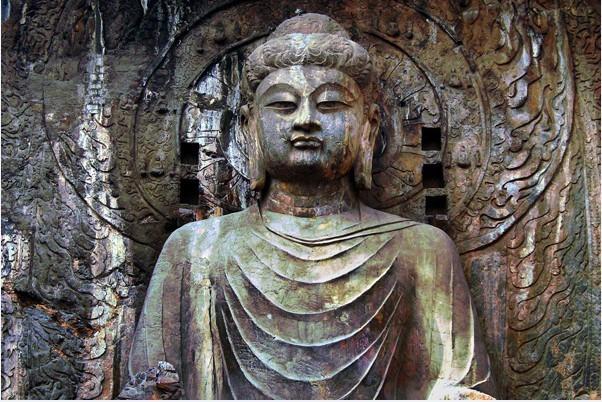
This pattern matters because many of the city’s best-known sites — the Longmen Grottoes, the Luoyang Ancient City walking streets, hillside sections near White Horse Temple — are partially or fully outdoors. A sudden summer downpour can shut down two or three hours of a packed day. A dry autumn afternoon, by contrast, lets you move through the same sites without rerouting.
Matching Seasonal Rainfall and Temperature Patterns to Your Sightseeing Plan
This is the section worth bookmarking. Below is a practical breakdown of how each season’s weather actually interacts with the city’s main attraction types — not just “it’s nice in spring,” but what specifically to expect and plan around.
| Season | Rainfall Pattern | Temperature Pattern | Sightseeing Implication |
|---|---|---|---|
| Spring (Mar–May) | Light, scattered showers; generally dry | Mild, cool mornings, warm afternoons | Best window for outdoor walking tours and the Longmen Grottoes; carry a light rain layer, not a full setup |
| Summer (Jun–Aug) | Heaviest rainfall, sudden afternoon storms | Hot and humid, especially midday | Plan outdoor sites for early morning; keep afternoons flexible for museums or indoor halls |
| Autumn (Sep–Nov) | Drier than summer, occasional light rain | Comfortable, gradually cooling | Strong second-best window; good visibility for photography at open-air sites |
| Winter (Dec–Feb) | Driest season, minimal precipitation | Cold, dry air, occasional frost | Fewer crowds at outdoor sites but limit time at exposed stone steps and unheated halls |
Conclusion: if your trip can move freely, autumn offers the best balance of dry days and walkable temperatures. Reasoning: rainfall drops sharply after the summer monsoon tail ends, while temperatures haven’t yet turned uncomfortably cold. Scenario it fits: travelers prioritizing the Longmen Grottoes, the old city streets, or day hikes near the surrounding hills. Limit: this doesn’t apply if your visit is tied to a fixed date — a business trip, a conference, or a festival — in which case the packing checklist below matters more than the calendar choice.
A Month-by-Month Packing and Scheduling Checklist
Instead of guessing, use this sequence before finalizing dates for a trip to Luoyang City, Henan:
- Check the month against the rainfall table above. If it falls in June–August, assume at least one disrupted afternoon per three-day stay.
- Block outdoor sites for mornings. Temples, grottoes, and open plazas are more comfortable and less crowded before 10 a.m., regardless of season.
- Reserve one indoor backup per day in summer. The Luoyang Museum or similar covered sites absorb sudden rain delays without wasting the day.
- Pack layered clothing for spring and autumn. Morning-to-afternoon temperature swings of several degrees are common in both shoulder seasons.
- Bring slip-resistant footwear in any wet month. Stone steps at hillside sites become genuinely slippery after rain, not just inconvenient.
- Check short-range forecasts, not seasonal averages, once you’re within 5 days of travel. Summer storms especially form and dissipate quickly, and averages won’t tell you about a specific Tuesday.
Common Mistakes Travelers Make When Ignoring Weather Patterns
- Booking a full outdoor day in July without a rain contingency. Afternoon storms are frequent enough that a single uninterrupted day is the exception, not the rule.
- Assuming peony season (spring) is automatically the “safe” choice weather-wise. It’s mild, but short showers still occur — pack accordingly rather than assuming zero rain.
- Underestimating winter cold at exposed sites. Dry air can still mean uncomfortable wind chill at open grottoes or hilltop viewpoints.
- Treating humidity as a non-issue in summer. High humidity makes midday walking tours feel considerably more draining than the temperature number alone suggests.
- Not separating “rain season” from “disruption season.” Even in the wettest months, mornings are often dry — the mistake is scheduling flexibility around the wrong half of the day.
Frequently Asked Questions About Luoyang Weather and Trip Timing
Is peony season the only good time to visit?
No. Peony blooming periods in spring draw the most visitors, but they’re not the only weather-friendly window. Autumn offers comparable comfort with fewer crowds and generally less rainfall disruption. If flowers aren’t the priority, autumn is worth equal consideration.
Does Luoyang get typhoons?
Being inland, Luoyang City in Henan Province does not experience typhoons directly the way coastal cities do. What it can experience is heavier rainfall bands linked to the broader summer monsoon system moving inland, which shows up as intensified summer rain rather than storm-force wind events.
What’s the realistic limitation of planning around “average” weather?
Averages smooth out day-to-day variation. A “dry month” can still include a two-day rain event, and a “wet month” can still have a full clear week. Use the seasonal table for broad planning, then confirm with a short-range forecast closer to departure — don’t treat seasonal patterns as a guarantee for a specific date.
Should indoor sites replace outdoor plans entirely in summer?
Not entirely. Morning hours in summer are often dry and cooler than midday. The practical approach is scheduling outdoor time early and treating indoor sites as an afternoon fallback rather than the default plan.
How does temperature affect walking-heavy itineraries specifically?
Sites like the Longmen Grottoes and the old city district involve extended walking on uneven or stepped terrain. High summer heat and humidity shorten the comfortable walking window to a few hours; cooler autumn or spring days extend it significantly without requiring frequent breaks.
If you’re mapping an itinerary around these patterns and want help matching specific dates to site conditions, reach out with your travel window and we can walk through the seasonal considerations with you.
