
Blog
Understanding Luoyang, Henan: Modern Districts & History

Understanding Luoyang, Henan: A Guide to Its Modern Districts and Historic Core
For businesses, researchers, or visitors planning engagement with the ancient capital city of Luoyang, Henan, understanding its contemporary administrative geography is critical. The city’s structure is not just a collection of streets and buildings; it reflects centuries of history, modern urban planning, and economic development. Misinterpreting an address or a regional designation can lead to logistical challenges, misjudged market analysis, or inefficient resource allocation. This guide aims to clarify the distinct layers of Luoyang, Henan’s administrative landscape, from its revered historic core to its expansive municipal region, offering actionable insights for clear navigation.
Navigating Luoyang, Henan’s Administrative Geography
Understanding how Luoyang, Henan, is officially structured is the first step toward effective engagement. The city’s administrative divisions are layered, each with specific characteristics and implications for business operations, logistics, and residency planning. We explain these distinctions in a clear, question-and-answer format.
What defines Luoyang’s Historic Core?
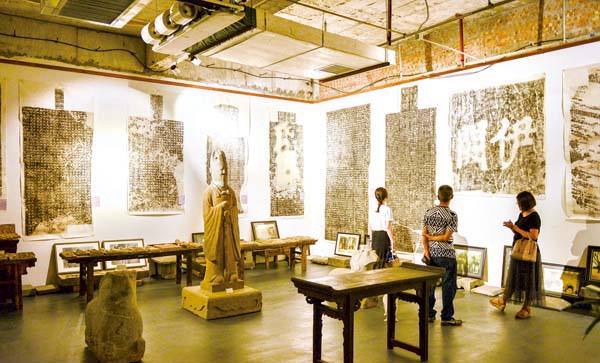
- Definition: The historic core typically refers to the areas encompassing the city’s most ancient sites, often within or adjacent to what were historical city walls. In Luoyang, this includes significant cultural heritage zones like the White Horse Temple, Longmen Grottoes (though slightly outside the immediate urban core, it’s a key historic anchor), and the remnants of ancient dynastic capitals.
- Implications for Business: These areas are primarily focused on tourism, cultural preservation, and traditional services. New heavy industrial development is highly restricted, and even commercial endeavors often face strict architectural and environmental regulations. Businesses here usually cater to visitors or operate in heritage-related sectors.
- Limitations: Limited space for large-scale modern development, higher costs for property, and stringent preservation rules. Not suitable for manufacturing or large logistics operations.
How do Urban Districts differ from County-Level Areas?
Luoyang’s urban districts form the heart of its modern metropolitan area, distinct from the surrounding county-level areas that make up the broader municipality.
- Urban Districts (e.g., Jianxi, Xigong, Laocheng, Jili):
- Characteristics: These are the densely populated, highly developed areas within the city proper. They feature modern infrastructure, commercial centers, residential high-rises, and concentrated public services. They are the engines of the city’s contemporary economy.
- Implications for Business: Ideal for retail, finance, services, technology companies, and administrative offices. Excellent connectivity, access to skilled labor, and consumer markets.
- Boundaries: Clearly delineated, often with established road networks and natural features serving as markers. They are designed for high-density living and commercial activity.
- County-Level Areas (e.g., Yanshi, Mengjin, Luoning):
- Characteristics: These areas surround the urban core, encompassing a mix of suburban development, agricultural land, and smaller towns. They have their own local governments but report to the Luoyang municipal administration.
- Implications for Business: Often host industrial parks, logistics hubs, and agricultural processing facilities due to more available land and lower operating costs. They offer opportunities for manufacturing and large-scale operations that require significant space.
- Boundaries: Generally larger geographical areas with lower population density compared to urban districts. They serve as the municipality’s resource base and industrial hinterland.
What constitutes the Wider Municipal Region of Luoyang?
- Definition: The wider municipal region of Luoyang, Henan, encompasses all the urban districts, county-level cities (like Yanshi), and rural counties under its administration. This entire area falls under the jurisdiction of the Luoyang Municipal People’s Government.
- Implications for Business: For businesses considering regional market entry or large-scale resource planning, understanding the full municipal scope is vital. This broader region dictates access to diverse labor pools, natural resources, and provides the complete picture of the local economy.
- Boundaries: The outer limits of the municipal region define Luoyang’s administrative border with neighboring prefectures and cities within Henan Province. It represents the comprehensive economic and demographic footprint of Luoyang.
Essential Considerations for Business Engagement in Luoyang
When planning business operations or investments in Luoyang, Henan, a clear understanding of the specific local conditions is vital. The city offers diverse environments, each with unique advantages and potential challenges. Here is a checklist to guide your location analysis.
Buyer’s Decision Checklist for Location Analysis in Luoyang
Before committing to a specific district or county within Luoyang, evaluate these critical factors:
- Proximity to Transportation Hubs:
- Conclusion: Essential for efficient logistics and personnel movement.
- Reasoning: Reduces transit times and costs for raw materials, finished goods, and employee commutes.
- Scenario: Manufacturing or distribution centers benefit most from sites near highways, rail lines, or the Luoyang Beijiao Airport.
- Limits: Not as critical for purely digital service businesses or remote operations.
- Availability of Skilled Labor:
- Conclusion: Directly impacts operational efficiency and recruitment costs.
- Reasoning: Access to a suitable workforce minimizes training time and ensures operational continuity.
- Scenario: Tech firms need proximity to universities and urban centers; manufacturing benefits from vocational school graduates in industrial zones.
- Limits: Highly specialized roles may require broader recruitment efforts regardless of location.
- Access to Specific Industry Clusters:
- Conclusion: Can foster collaboration, shared resources, and a competitive ecosystem.
- Reasoning: Being part of a cluster provides access to suppliers, customers, and specialized services.
- Scenario: A metallurgy company may seek locations near existing heavy industry parks; a tourism business near cultural sites.
- Limits: Entering an oversaturated cluster might intensify competition without sufficient differentiation.
- Local Government Incentives and Policies:
- Conclusion: Can significantly reduce initial setup costs and ongoing operational expenses.
- Reasoning: Tax breaks, land use concessions, and expedited approval processes improve financial viability.
- Scenario: New foreign direct investment or high-tech enterprises often qualify for attractive packages in designated development zones.
- Limits: Incentives are often time-limited or contingent on specific investment thresholds and job creation figures.
- Infrastructure Readiness (Utilities, Internet):
- Conclusion: Basic but non-negotiable for modern operations.
- Reasoning: Reliable power, water, and high-speed internet are foundational requirements.
- Scenario: Data centers or advanced manufacturing plants require robust, redundant utility provisions.
- Limits: Rural county-level areas might have less developed infrastructure, requiring significant upfront investment.
Distinguishing Urban Development and Economic Zones within Luoyang
Beyond the standard administrative divisions, Luoyang, Henan, features specialized development zones designed to attract specific types of investment and foster economic growth. These areas often operate with unique policies and infrastructure that set them apart from general urban districts.
High-Tech Industrial Development Zones (e.g., Luoyang High-Tech Zone)
- Purpose: To promote innovation, research and development, and advanced manufacturing. These zones often house technology companies, R&D centers, and incubators.
- Specific Advantages: Typically offer advanced infrastructure, dedicated support services for technology firms, and sometimes preferential policies for intellectual property protection and talent attraction. They are designed to create an ecosystem for high-value industries.
- Reasoning: Central and local governments invest heavily in these zones to drive economic transformation and upgrade industrial structure.
- Scenario: A robotics company seeking a collaborative environment with access to skilled engineers and government research grants would find these zones highly suitable.
- Limits: Land and operational costs can be higher due to specialized infrastructure and demand. Not ideal for traditional heavy industry.
Special Economic Development Areas (e.g., Luoyang Economic Development Zone)
- Purpose: To attract a broad range of industries, often including light manufacturing, logistics, and processing. They are designed to boost overall economic activity and employment.
- Specific Advantages: Offer competitive land prices, streamlined administrative procedures, and well-planned industrial infrastructure (e.g., power grids, water supply, waste treatment).
- Reasoning: These zones provide a structured environment for businesses to establish operations efficiently, often with a focus on export-oriented industries.
- Scenario: A company looking to set up a new assembly plant or a large-scale warehousing facility would find these zones attractive due to available space and logistical support.
- Limits: May not offer the same level of specialized R&D support as High-Tech Zones, and environmental regulations can still be strict depending on the industry.
Historic Core: Cultural Significance and Restricted Development
The ancient heart of Luoyang, Henan, while central to its identity, presents a different set of considerations for modern business. This area is a treasure trove of cultural heritage, demanding careful preservation.
- Impact on Business: New heavy industry is strictly prohibited. Commercial activities are largely confined to tourism, hospitality, traditional crafts, and small-scale services. Building new large-scale commercial facilities is challenging due to heritage protection laws and limited available land.
- Opportunity: Businesses that align with cultural tourism, boutique hotels, or authentic local experiences can thrive here. There is a strong emphasis on maintaining architectural aesthetics and historical ambiance.
- Limitations: High regulatory hurdles, limited expansion possibilities, and a focus on preservation often outweigh purely commercial development interests. This is not a zone for large-scale modern industrial or logistical endeavors.
Best Practices for Interpreting Addresses and Regional Data in Luoyang
Navigating addresses and regional data in Luoyang, Henan, can be complex, particularly for those unfamiliar with the local administrative nuances. Avoiding common mistakes ensures smooth operations and accurate planning.
Common Mistakes When Interpreting Luoyang Addresses and Data
- Confusing Urban Districts with County-Level Areas:
- Mistake: Assuming an address in “Luoning County” implies it’s within the immediate urban sprawl of Luoyang city center.
- Correction: Luoning County is a significant distance from Luoyang’s central urban districts, requiring different logistical planning. Always verify the specific district or county within the broader Luoyang municipality.
- Overlooking Pinyin Variations:
- Mistake: Relying solely on one romanization of a street or district name, which may differ slightly across maps or official documents.
- Correction: Be aware that some names might have common alternative Pinyin spellings or even older postal romanizations. Cross-reference with Chinese characters if possible, or use official government sources.
- Ignoring the “Zone” or “Park” Designation:
- Mistake: Treating an address within a “High-Tech Zone” or “Economic Development Zone” as a generic street address.
- Correction: These zones are distinct entities with their own internal road networks and sometimes different administrative rules. Always include the full zone name for clarity, as it often determines specific entry points, security protocols, or even applicable regulations.
- Underestimating Travel Times Within the Municipal Region:
- Mistake: Assuming travel between any two points within “Luoyang” will be quick.
- Correction: The full municipal region of Luoyang, Henan, is vast. Travel from an urban district to a county like Yiyang can take hours. Always check distances and estimated travel times, especially for logistics and site visits.
For businesses seeking precise location analysis or strategic insights into specific sub-regions of Luoyang, Henan, a detailed understanding of its administrative and economic geography is not merely academic; it is a prerequisite for informed decision-making. Whether you are planning logistics, market entry, or talent acquisition, clarity on these distinctions will prove invaluable.
Contact our technical team for further insights into regional business dynamics and site selection within Luoyang, Henan.
