
Blog
Did White Horse Temple Luoyang Really Open in 68 CE?

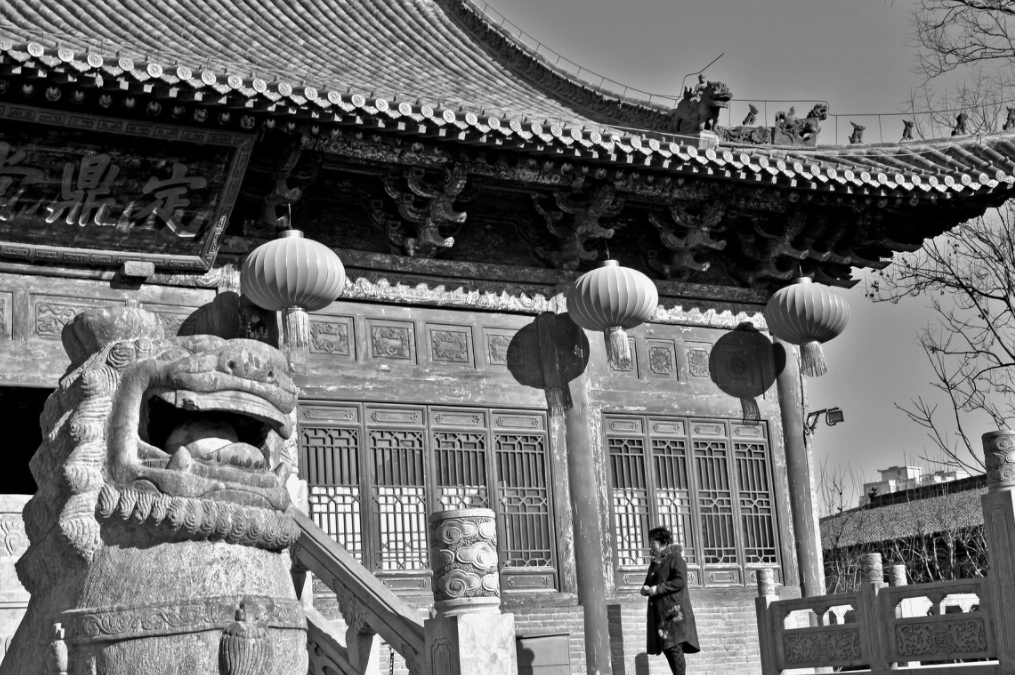
Did White Horse Temple Really Open in 68 CE?
The White Horse Temple in Luoyang, China, holds a significant place in history as what is widely regarded as the first Buddhist temple established in China. Its traditional founding date of 68 CE under Emperor Ming of the Eastern Han Dynasty is a cornerstone of its identity and a powerful narrative for its origins. However, for those seeking a deeper understanding, it is crucial to examine this founding tradition against the backdrop of historical records, archaeological findings, and the temple’s numerous rebuilding phases. This article aims to clarify the distinction between the revered tradition and the verifiable historical evidence concerning the White Horse Temple Luoyang.
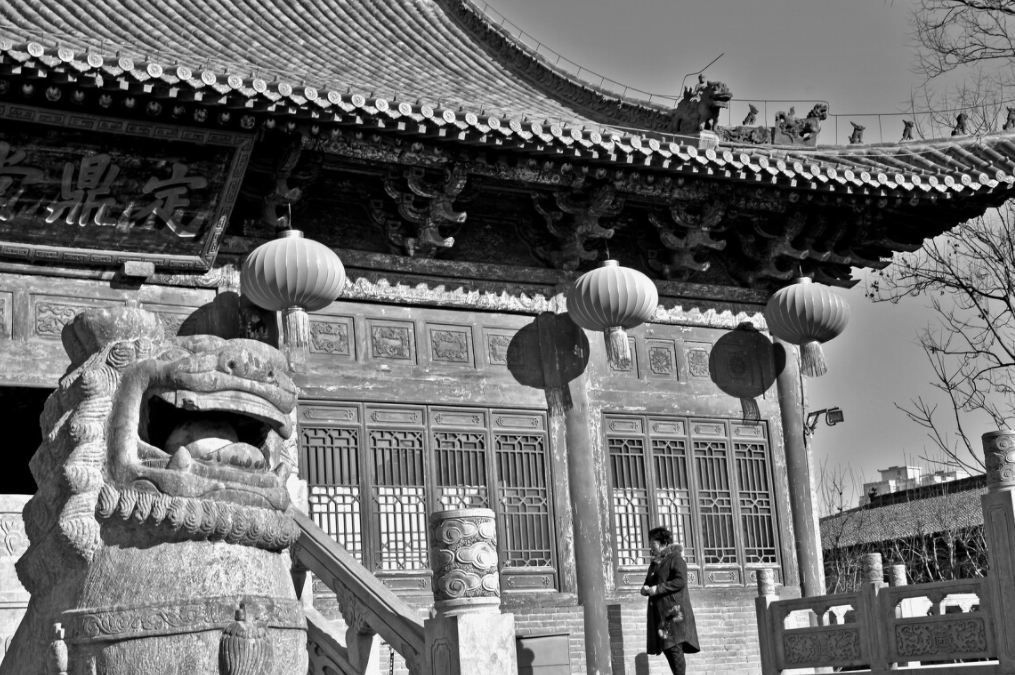
Deconstructing the 68 CE Founding Narrative
The story of the White Horse Temple’s inception in 68 CE is deeply ingrained in cultural memory. It tells of Emperor Ming’s dream of a golden man flying before his palace, interpreted by his advisors as the Buddha. This vision reportedly prompted the emperor to send envoys to the West (India) in search of Buddhist scriptures. These envoys returned three years later, accompanied by two Indian monks, Kasyapa Matanga and Dharmaratna, riding white horses laden with sutras and statues. The temple was then said to be built in their honor, named after the white horses that carried the sacred texts.
While this narrative provides a compelling origin story for the white horse temple luoyang, historical scholarship and archaeological research offer a more nuanced perspective. The existence of Buddhist communities and possibly monastic structures in China before the officially recognized 68 CE date is a subject of ongoing academic discussion. The traditional account serves as a powerful symbol of the formal introduction of Buddhism into China, marking a pivotal moment in the country’s religious and cultural development, even if the precise details of its architectural establishment in 68 CE remain more legendary than strictly documented.
Tradition vs. Historical and Archaeological Evidence
Understanding the White Horse Temple’s history requires separating the revered tradition from the verifiable historical and archaeological records. This distinction is vital for appreciating both the cultural significance of the narrative and the factual complexities of its long existence.
| Aspect | 68 CE Founding Tradition | Historical and Archaeological Evidence |
|---|---|---|
| Origin Story | Emperor Ming’s dream, envoys to India, return with monks Kasyapa Matanga and Dharmaratna on white horses, carrying sutras. Temple built immediately. | Buddhist presence likely predates 68 CE. Formal state sponsorship and temple construction probably occurred gradually. Earliest definitive architectural evidence points to later periods. |
| First-in-China Status | Unequivocally the first Buddhist temple in China, established by imperial decree. | Acknowledged as the first *officially sanctioned* state-sponsored Buddhist temple. Private or smaller monastic sites may have existed earlier. Its role as a formal hub for Buddhist translation is well-documented. |
| Original Structure (68 CE) | Implies a substantial temple structure was erected in 68 CE. | No archaeological remains directly attributable to a 68 CE temple structure have been found. The earliest surviving architectural elements date from later dynasties (e.g., Ming, Qing, and even Tang for some foundations). The temple has undergone numerous destructions and rebuildings over centuries. |
| Purpose | To house the first Buddhist scriptures and monks, marking the official introduction of Buddhism. | Served as a crucial center for scripture translation, dharma propagation, and later, imperial patronage. Its strategic location on the Silk Road facilitated cultural exchange. |
| Historical Records | Primarily found in later Buddhist texts and historical accounts (e.g., Hou Han Shu, Gaoseng Zhuan) which recount the legend. | Evidence includes official dynastic histories, stone inscriptions from later periods, and archaeological excavations revealing layers of construction and artifacts spanning various dynasties. |
The absence of direct archaeological evidence for a 68 CE structure does not diminish the White Horse Temple Luoyang’s historical importance. Instead, it highlights how its significance evolved. It became a symbol and a continuous site of Buddhist practice and scholarship, even as its physical structures changed dramatically over time. The tradition itself became a powerful historical fact, shaping perceptions and reinforcing the temple’s foundational role in Chinese Buddhism.
Navigating the Temple’s Rebuilding Phases and Enduring Legacy
Like many ancient and important religious sites, the White Horse Temple has faced the ravages of time, natural disasters, and human conflict. It has been destroyed and rebuilt numerous times throughout its long history, with each restoration adding new architectural styles and cultural layers. The current complex, while maintaining the spirit of the original, largely reflects architectural styles from the Ming (1368-1644) and Qing (1644-1912) dynasties, with significant modern renovations and additions.
- Eastern Han Dynasty (25-220 CE): The period of its traditional founding. While the exact 68 CE structure is elusive, the temple likely began as a modest complex, growing in importance as Buddhism spread.
- Northern Wei Dynasty (386-534 CE): Luoyang became a major Buddhist center, and the White Horse Temple would have seen significant expansion and activity.
- Tang Dynasty (618-907 CE): A golden age for Buddhism in China. The temple flourished, becoming a key translation center. Foundations and some architectural remnants from this period might still exist beneath later reconstructions.
- Subsequent Dynasties: The temple endured periods of decline and revival, often suffering destruction during anti-Buddhist campaigns or warfare, only to be rebuilt by devout emperors or wealthy patrons.
- Ming and Qing Dynasties: Most of the architectural elements visible today, such as the main halls, courtyards, and pagodas, date back to these periods.
- Modern Era: Significant restoration and expansion projects have occurred, notably in the late 20th and early 21st centuries, including the construction of the “International Zone” with temples built in Indian, Thai, and Burmese styles, symbolizing Buddhism’s global reach.
The continuous rebuilding of the white horse temple luoyang is a testament to its enduring spiritual and cultural significance. Each phase contributed to its rich tapestry, making it a living museum of Chinese Buddhist architectural evolution.

Common Misconceptions About the White Horse Temple Luoyang
Given its ancient origins and rich legend, several common misconceptions surround the White Horse Temple. Clarifying these can enhance one’s appreciation of its true historical journey.
- Misconception 1: The current temple buildings are original structures from 68 CE.
- Reality: As discussed, the temple has been rebuilt countless times. The visible architecture primarily dates from the Ming and Qing dynasties, with modern renovations. No original structures from 68 CE are standing.
- Misconception 2: Buddhism was unknown in China before the 68 CE official introduction.
- Reality: While 68 CE marks the official, state-sponsored introduction, there is evidence suggesting that Buddhist ideas and perhaps even practitioners had entered China through trade routes like the Silk Road prior to this date, possibly among foreign merchants.
- Misconception 3: The temple is solely a historical relic with no active monastic community.
- Reality: The White Horse Temple remains an active Buddhist monastery with resident monks and nuns. It continues to be a center for Buddhist practice, study, and cultural exchange, attracting pilgrims and visitors alike.
- Misconception 4: Its “first-in-China” status is purely a myth.
- Reality: While the 68 CE founding might be more tradition than strict historical documentation of a physical building, its status as the first *officially recognized and state-supported* Buddhist temple, and a crucial early center for scripture translation, is widely accepted and historically significant. It played an undeniable foundational role.
- Misconception 5: The “white horses” were literally just regular horses.
- Reality: While they were indeed horses, the “white horse” carries symbolic weight in many cultures, often representing purity, wisdom, and a vehicle for spiritual journeys. In the context of the legend, they are more than just transport; they are part of the sacred narrative.
The Enduring Significance of White Horse Temple Luoyang
Despite the historical complexities surrounding its precise founding date, the White Horse Temple Luoyang remains an exceptionally significant site. It symbolizes the formal arrival of Buddhism in China and its subsequent integration into Chinese culture. It served as the cradle for the early translation of Buddhist scriptures, a critical process that shaped the unique characteristics of Chinese Buddhism. Monks translated vast canons of texts, making profound philosophical and spiritual concepts accessible to the Chinese populace. The temple’s strategic position along the ancient Silk Road also underscores its role as a cultural conduit, facilitating exchanges between East and West far beyond religious doctrines.
Today, the temple stands as a vibrant center of cultural heritage and active religious practice. Its blend of ancient tradition, historical layers, and modern revitalization projects makes it a compelling destination for scholars, pilgrims, and general visitors alike. Understanding the distinction between its cherished founding narrative and the broader historical context only deepens one’s appreciation for its multifaceted legacy.
For further discussions on historical significance and cultural insights, connect with our team.
