
Blog
How to Visit the Luoyang White Horse Temple Without Crowds

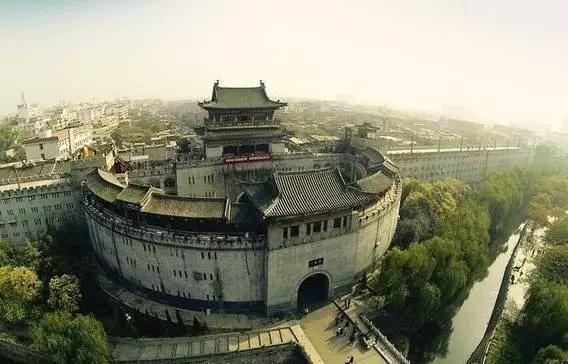
How to Visit the Luoyang White Horse Temple Without the Crowds
For many business travelers visiting Henan province, a trip to the historic city of Luoyang presents a unique opportunity to see a site of immense cultural importance. The question isn’t whether to visit the Luoyang White Horse Temple (Baimasi), but how to do so efficiently, avoiding the significant crowds that can detract from its serene atmosphere. Poor timing can turn a contemplative experience into a stressful shuffle through packed courtyards. This guide provides a strategic framework for planning your visit to appreciate this ancient landmark as intended—in peace.
Understanding the flow of visitors is key. Unlike many tourist destinations, the temple’s crowd levels are influenced by a combination of the weekly calendar, national holidays, and even the time of day you arrive. A visit on a Tuesday morning is a completely different experience from one on a Saturday afternoon, and planning accordingly is the single most important factor for a rewarding trip.
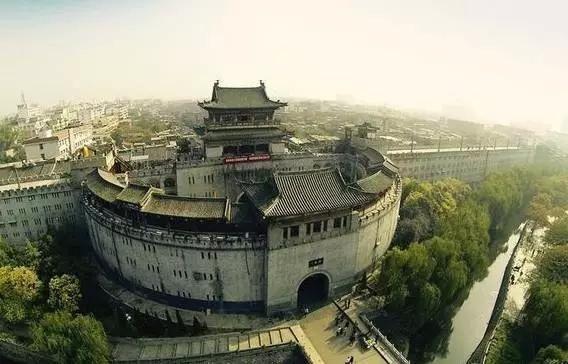
Understanding Visitor Flow at Baimasi
The Luoyang White Horse Temple is not just a tourist attraction; it is a significant site for practicing Buddhists and a point of national pride, considered by many to be the cradle of Buddhism in China. This dual role as a cultural landmark and an active place of worship drives its visitor patterns. To plan an effective visit, you must understand these underlying factors.
Visitor traffic can be broken down into three main categories:
- Tour Groups: Large, organized groups are a primary source of congestion. They typically operate on predictable schedules, arriving mid-morning (around 9:30 AM) and departing mid-afternoon. Their presence is most concentrated around the main halls and iconic photo spots.
- Independent Tourists: This group includes domestic and international travelers. Their arrival times are more varied, but they tend to peak on weekends and public holidays, aligning with standard leisure travel schedules.
- Worshippers: Local and visiting worshippers come to the temple for prayer and offerings. Their numbers swell significantly during Buddhist festivals and on specific days of the lunar calendar. While they are often quieter, they add to the overall density of people within the halls.
The temple’s layout, a series of courtyards and halls along a central axis, naturally funnels crowds into specific areas. The main gate, the Hall of Heavenly Kings, and the Great Buddha Hall are consistent bottlenecks. The international temple zone, featuring replicas of Thai, Indian, and Burmese temples, is often slightly less congested but still follows the overall visitor trends.
Strategic Timing for Your Visit: A FAQ on Crowd Levels
Choosing when to arrive is the most critical decision you will make. Here we answer common questions about timing your visit to the Luoyang White Horse Temple, helping you find the quietest possible window.
What is the best day of the week to visit?
Tuesday, Wednesday, and Thursday are consistently the least crowded days. Weekdays outside of holiday periods see significantly fewer visitors than weekends. Monday can be slightly busier with weekend travelers extending their trip, and Friday sees an uptick as the weekend approaches. If your schedule allows for a mid-week visit, take it. The difference in atmosphere is substantial.
How do Chinese national holidays affect crowd levels?
Visiting during a major Chinese national holiday is strongly discouraged if your goal is to avoid crowds. The temple becomes exceptionally busy during these periods. Not all holidays are equal, however.
- Peak Congestion (Avoid at all costs): National Day Golden Week (early October) and Labour Day (early May) are the absolute busiest times of the year. The sheer volume of domestic tourists makes a peaceful visit nearly impossible.
- High Congestion (Visit with caution): Dragon Boat Festival and Mid-Autumn Festival see large spikes in visitors, though often not as prolonged as the Golden Weeks.
- Moderate Congestion: Qingming Festival (Tomb-Sweeping Day) can also be busy as it combines holiday travel with traditional customs.
Always check the Chinese public holiday calendar before planning your trip to Luoyang. Even the days immediately adjacent to the official holiday dates will experience higher-than-normal traffic.
Does my arrival time in the morning really matter?
Yes, it is crucial. The first hour after opening is the “golden hour” for a quiet visit. Most tour buses and independent travelers have not yet arrived. Arriving right at the opening time allows you to explore the main halls before they become congested.
The table below breaks down the typical experience based on arrival time and day of the week.
| Time Slot | Expected Crowd Level | Visitor Experience | Recommendation |
|---|---|---|---|
| Weekday Morning (7:30 AM – 9:00 AM) | Very Low | Quiet and serene. Ample space in all halls. Excellent for photography. You may only see staff and a few worshippers. | Highly Recommended. This is the ideal time for a contemplative and thorough visit. |
| Weekday Midday (10:00 AM – 3:00 PM) | Moderate | Tour groups arrive. Main halls become busy, but the complex is large enough to find quieter spots. | Acceptable. If you cannot make an early start, head to the international temple zone first to avoid the main rush. |
| Weekend Morning (7:30 AM – 9:00 AM) | Low to Moderate | Busier than a weekday morning but still manageable. The initial calm is shorter as crowds build faster. | Good Compromise. If you must visit on a weekend, arriving at opening is your best strategy. |
| Weekend Midday (10:00 AM – 3:00 PM) | High | Very crowded, especially in popular halls. Expect queues and difficulty taking photos without people in them. | Not Recommended. The experience can be stressful and rushed. |
| Any Day (Late Afternoon to Closing) | Moderate to Low | Crowds begin to thin as tour groups depart. A good alternative to an early morning visit. Light is also softer for photos. | Good Alternative. Arriving about two hours before closing offers a more peaceful end-of-day experience. |
A Pre-Visit Checklist for a Low-Stress Experience
A successful, crowd-free visit to the Luoyang White Horse Temple relies on more than just timing. Proper preparation ensures you can navigate the site efficiently and make the most of the quiet moments you create for yourself. Use this checklist to plan your logistics.
- Confirm the Official Holiday Calendar: Before booking anything, cross-reference your travel dates with the official Chinese public holiday schedule. Remember that travel demand surges before and after the holiday itself.
- Check the Temple’s Opening Hours: While generally stable, opening times can occasionally change. A quick check on an official source or with your hotel concierge a day before your visit is a wise precaution. Standard hours are typically 7:30 AM to 5:30 PM, but this can vary.
- Arrange Transportation in Advance: Decide how you will get there the night before. Whether using a ride-hailing app, a taxi, or public transport, know your route and estimated travel time. Plan to depart early enough to arrive at the temple entrance right as it opens.
- Prioritize Your “Must-See” Halls: The temple complex is vast. Review a map beforehand and identify the key areas you want to see (e.g., the original halls, the Qiyun Pagoda, the Thai temple). Head to your top priority location first during the quiet “golden hour” to ensure an optimal experience there.
- Purchase Tickets Online if Possible: Look for options to buy your entry ticket in advance through official channels or trusted platforms. This allows you to bypass the ticket-buying queue, which can be long even when the temple grounds are not yet full.
- Pack Light but Smart: Bring water, comfortable walking shoes, and sun protection. Carrying a heavy bag will only add to your fatigue. Being comfortable allows you to be more patient and enjoy the visit, even if you encounter some crowds.
- Adopt a “Reverse Itinerary”: Most visitors follow a linear path from the entrance through the main halls. Consider starting at the back of the complex (e.g., the international section) and working your way forward against the main flow of traffic.
By following this strategic approach, you can transform your visit from a potentially overwhelming tourist activity into a genuinely memorable cultural experience, allowing the history and spirituality of the Luoyang White Horse Temple to be the focus of your attention.
If your business in the region requires navigating complex logistics or local best practices, our team has the on-the-ground knowledge to assist. Contact us for insights into making your operations in China more efficient.
