
Blog
A 3-Day Luoyang Itinerary for Business and Cultural Travel

How to Build a 3-Day Luoyang Itinerary Beyond the Grottoes
Most travel plans for Luoyang begin and end with the magnificent Longmen Grottoes. While essential, this focus often leaves visitors with two unplanned days, missing the city’s deeper historical context as the capital of thirteen dynasties. A well-structured itinerary is crucial to grasp the full scope of this ancient capital. This guide provides a transit-efficient, three-day plan designed for visitors who need to maximize their time, whether for business or in-depth cultural exploration.
This plan moves beyond a simple checklist of sites. It organizes attractions by geographic proximity and thematic connection, minimizing travel time and creating a coherent narrative of your visit to Luoyang. We will cover imperial history, local culture, and options for significant regional excursions, ensuring a comprehensive and productive trip.
Optimizing Your Schedule: A Transit-Efficient 3-Day Luoyang Itinerary
The key to a successful multi-day visit is minimizing transit time between attractions. Luoyang’s key sites are geographically dispersed, making a logical daily plan essential. This itinerary groups locations to create efficient travel loops, allowing you to spend more time exploring and less time in transit. Each day focuses on a distinct aspect of the region’s heritage.
This schedule assumes a full three days on the ground. Adjust based on your arrival and departure times, and always check the official opening hours for museums and temples, as they can vary by season.
Daily Itinerary Breakdown
| Day | Morning (approx. 4 hours) | Afternoon (approx. 4 hours) | Evening | Logistical Focus |
|---|---|---|---|---|
| Day 1: The Imperial & Dynastic Core | White Horse Temple (Baima Si) | Luoyang Museum | Dinner near the museum district | Use ride-hailing services (e.g., Didi) or a pre-booked car. The sites are far apart, and public transit can be time-consuming for a tight schedule. |
| Day 2: Tang Culture & Old Town Life | Lijingmen Gate & Old City Walls | Luoyang Old Town (Laojie) & Food Streets | Explore Luoyi Ancient City for its illuminated architecture. | This day is best explored on foot. The entire area is compact and pedestrian-friendly once you arrive at Lijingmen Gate. |
| Day 3: Regional Influence & Martial Arts | Day Trip to Shaolin Temple (approx. 1.5-hour drive each way) | Return to Luoyang for a relaxed dinner. | This requires a full day. The most efficient methods are hiring a private car for the day or joining a reputable tour group. Self-driving is not recommended for first-time visitors. | |
Detailed Activity Notes:
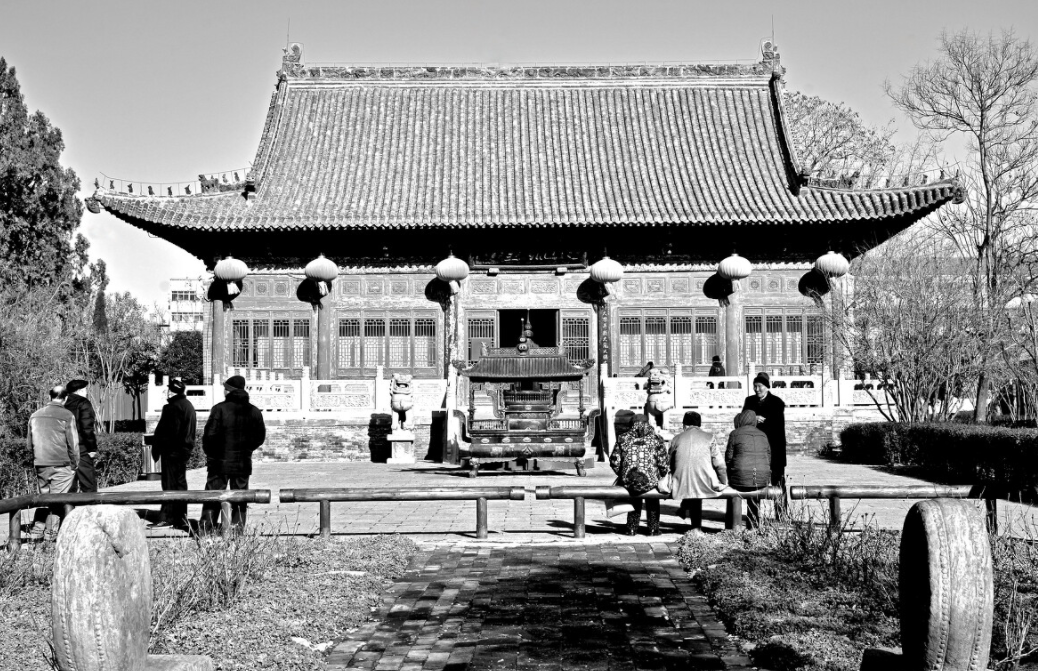
- Day 1: Start your day at the White Horse Temple, considered the cradle of Chinese Buddhism. Its location east of the city makes it a good starting point before moving back toward the center. After spending the morning there, travel to the Luoyang Museum. Its extensive collection of relics provides critical context for the city’s role as an ancient capital, spanning dynasties from the Xia to the Tang dynasty. This pairing provides a macro-level view of the region’s immense historical significance.
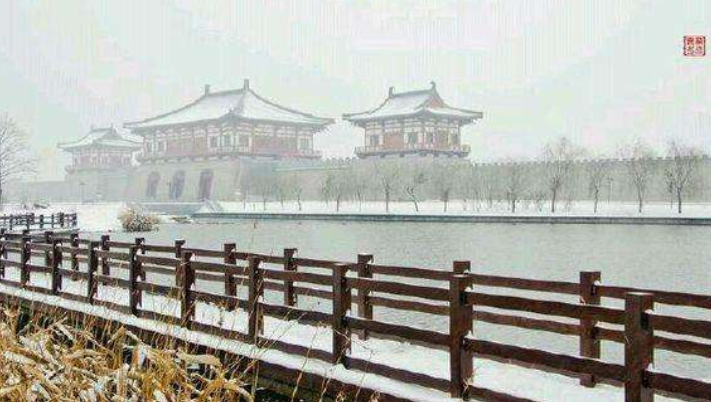
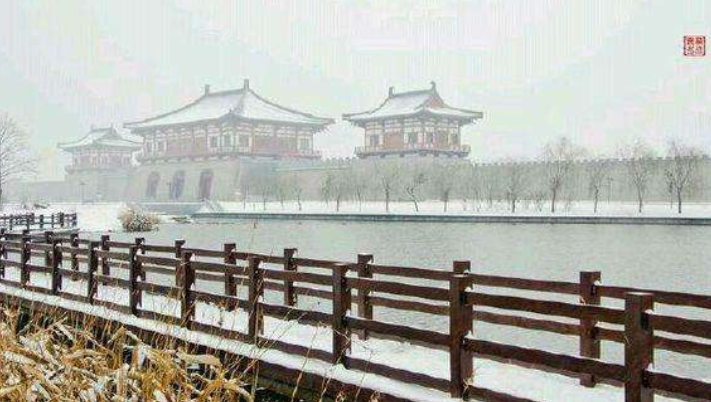
- Day 2: Immerse yourself in the living culture of the city. Begin at Lijingmen, the most impressive gate of the old city, and walk the restored walls for a panoramic view. From there, descend into the narrow alleys of the Old Town (Laojie). This area is a maze of shops, traditional residences, and food stalls. It offers an authentic atmosphere that contrasts with the grand scale of the temples and museums. In the evening, the nearby Luoyi Ancient City area comes alive with lights and activity, offering a modern reconstruction with a traditional feel and numerous dining options.
- Day 3: While technically outside the city, a day trip to the Shaolin Temple is a classic component of a comprehensive Luoyang itinerary. Located at the foot of Song Mountain, the temple is the birthplace of Zen Buddhism and Chinese Kung Fu. Witnessing a martial arts demonstration by the warrior monks is a highlight. Due to the travel time and the size of the complex, this must be treated as a full-day commitment. If you prefer to stay within the city, an alternative is visiting Guanlin Temple, a memorial complex dedicated to the famed general Guan Yu.
Common Planning Mistakes and How to Avoid Them
A successful trip to Luoyang depends on solid logistics. Many visitors, focused solely on the main attractions, encounter preventable issues that disrupt their schedule. Awareness of these common pitfalls can ensure your time is used effectively, especially on a tight business or travel schedule. Here are the most frequent mistakes and the corresponding solutions.
Checklist of Common Planning Oversights
-
Mistake: Underestimating Travel Times.
Reasoning: While Luoyang has a modern metro system, many key historical sites like the White Horse Temple are not directly on a metro line. Traffic can also be significant. Relying on a simple map distance without accounting for real-world transit conditions can cause you to miss closing times or scheduled tours.
Solution: For any journey involving more than one site, use a real-time mapping application to check drive times right before you leave. For cross-town journeys, add a 30-40% buffer to the estimated travel time, especially during peak hours.
-
Mistake: Ignoring Museum and Site Closing Days.
Reasoning: Like many museums worldwide, the Luoyang Museum is typically closed one day a week (usually Monday). Showing up to find the gates locked is a common and frustrating experience that can derail an entire day’s plan.
Solution: Before finalizing your daily schedule, verify the opening hours and closing days for every major site on your list. Check their official website or a reliable travel portal. Structure your itinerary to place museum visits on days they are confirmed to be open.
-
Mistake: Neglecting National Holidays.
Reasoning: Traveling during major Chinese public holidays (like Golden Week in October or Spring Festival) means facing massive crowds, fully booked transport, and inflated accommodation prices. Key sites can become overwhelmingly crowded, diminishing the experience.
Solution: Check the Chinese public holiday calendar before booking your flights. If your travel must coincide with a holiday period, book all transport and accommodation months in advance. Plan to visit major sites like Shaolin Temple or the Longmen Grottoes very early in the morning to get ahead of the largest crowds.
-
Mistake: Not Having a Payment Plan B.
Reasoning: Mobile payment systems like Alipay and WeChat Pay are dominant in China. Many smaller vendors, taxis, and even some ticket counters may not readily accept foreign credit cards or have change for large cash bills.
Solution: Set up and fund a mobile payment app before your trip if possible. Alternatively, always carry a mix of small-denomination RMB bills for situations where mobile payment is not an option. Do not rely on a single payment method.
Adapting the Itinerary for Business Travel
For those visiting Luoyang on business, time is the most valuable commodity. A packed meeting schedule might not allow for three full days of sightseeing. However, the city’s historical assets can still be experienced efficiently and can even provide unique settings for informal business discussions or client entertainment.
Strategic Integration of Culture and Business
The key is to prioritize high-impact, time-efficient activities. Instead of attempting a full-day excursion, focus on one or two core experiences that fit within your available windows.
- Half-Day Module (4-5 hours): If you have a free morning or afternoon, the Luoyang Museum is an excellent choice. It is centrally located and provides a comprehensive overview of the region’s history in a single, well-organized space. It’s a professional and culturally enriching activity suitable for hosting a client or colleague.
- Evening Module (2-3 hours): The Old Town (Laojie) and the adjacent Luoyi Ancient City are perfect for an evening. The area is at its most atmospheric after dark. This provides a relaxed setting for a business dinner at one of the many restaurants serving local specialties, followed by a short walk to experience the local culture. It feels less like a formal tour and more like an authentic local experience.
- Choosing a Strategic Base: Select a hotel located either near the central business district for meeting convenience or close to the Old Town to facilitate easy evening exploration. A well-located hotel minimizes transit friction and maximizes your limited free time. This logistical choice is as important as the itinerary itself.
By breaking the larger itinerary into these modular components, a business traveler can absorb the essence of Luoyang’s heritage without compromising their primary professional responsibilities. It transforms downtime from a waiting period into a productive and memorable cultural engagement.
For assistance with complex logistical arrangements or to gain deeper local insights for your visit, our team can provide support. Contact us to discuss your specific requirements.
