
Blog
A Strategic Guide to Visiting the Luoyang White Horse Temple

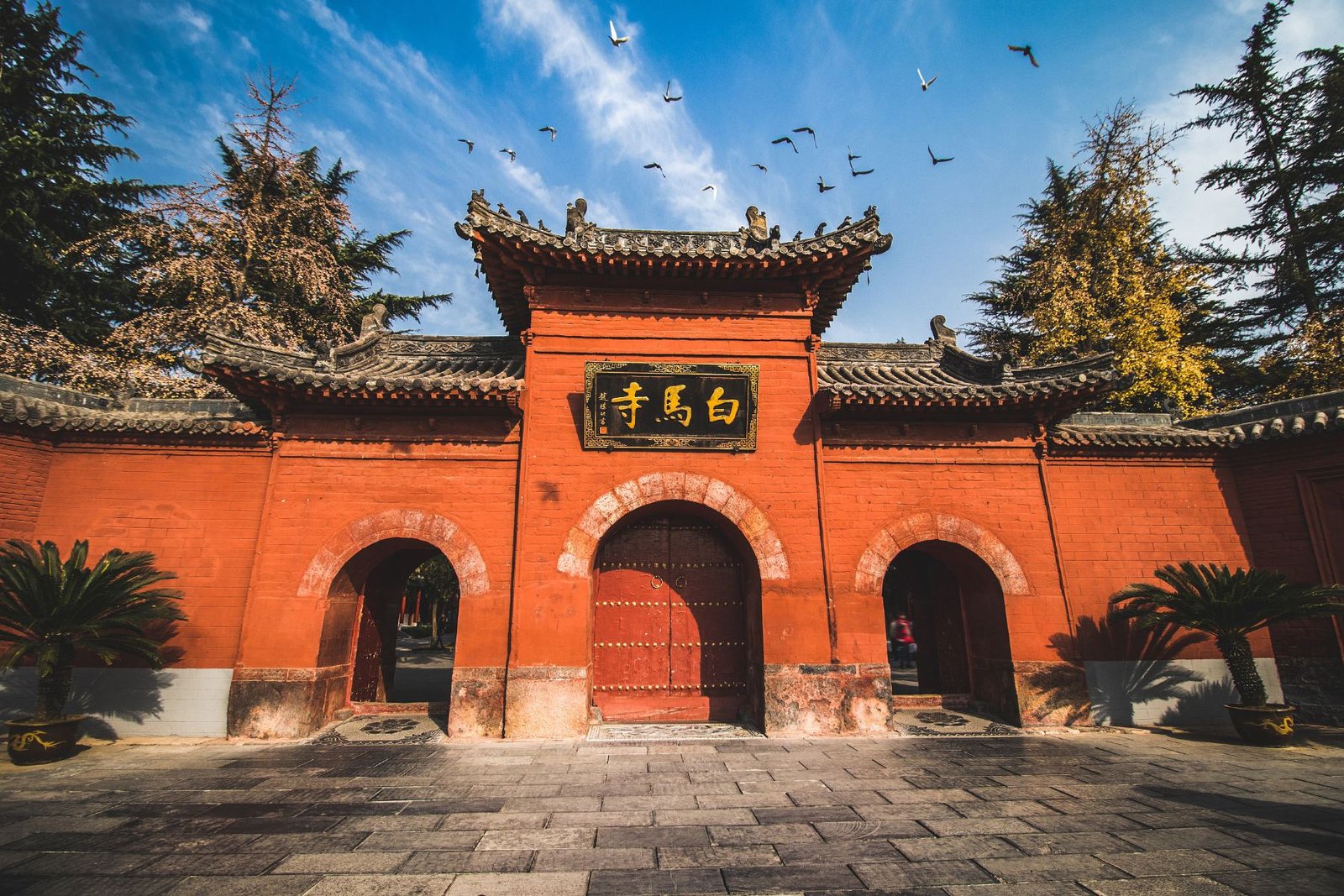
How to Strategically Time Your Visit to the Luoyang White Horse Temple
Planning a visit to the historic Luoyang White Horse Temple involves more than simply marking a day on the calendar; it requires a strategic approach to timing to ensure a reflective and meaningful experience. As the first Buddhist temple in China, its significance attracts a consistent flow of visitors. The difference between a serene exploration of its grounds and a stressful navigation through dense crowds often comes down to understanding key temporal variables. This guide provides a framework for identifying the optimal windows for your visit, allowing you to focus on the site’s profound history and architecture rather than logistical challenges.
We will analyze the predictable patterns of visitor traffic, from daily ebbs and flows to major seasonal peaks. By understanding these dynamics, you can structure an itinerary that mitigates the primary friction point for any visitor to a world-renowned landmark: the crowd.
Boundary: How Weekday, Holiday, and Seasonal Crowd Patterns Affect a Quieter Visit
To optimize your visit to the Luoyang White Horse Temple, it is crucial to understand the three primary layers of crowd forecasting: the daily cycle, the national holiday schedule, and the annual seasons. Each presents distinct challenges and opportunities for a visitor seeking a more tranquil experience. Ignoring these parameters is the most common reason for a suboptimal visit.
Here is a breakdown of what to expect and how to plan accordingly:
Daily Crowd Fluctuations
- Optimal Window (Weekdays): Tuesday through Thursday are consistently the quietest days. Visitor traffic is primarily composed of smaller groups and individual travelers, making it easier to move through pavilions and appreciate the temple’s details without obstruction. Mid-morning (around 10:00 AM) and mid-afternoon (around 2:00 PM) see minor peaks, but they are negligible compared to weekend traffic.
- High-Traffic Window (Weekends): Friday afternoons, all day Saturday, and all day Sunday see a significant increase in visitor volume. This includes domestic tourists from nearby cities and larger tour groups. Expect queues for ticketing and at popular photo spots within the temple, such as the main hall and the international temple zone.
- Limitation: Even on a quiet weekday, school groups can occasionally arrive unannounced. However, these groups typically follow a set route and depart within a couple of hours.
National Holiday Impact
- Peak Saturation (Major Holidays): The temple experiences maximum capacity during China’s “Golden Week” holidays: National Day (early October) and Labour Day (early May). The Spring Festival (Chinese New Year, typically late January or February) is another period of extreme traffic. Visiting during these times is strongly discouraged if your goal is a peaceful experience. Crowds are dense, movement is slow, and the atmosphere is far from contemplative.
- Moderate Impact (Minor Holidays): Three-day holidays such as the Dragon Boat Festival or Mid-Autumn Festival also draw larger crowds than a typical weekend, but they are generally more manageable than the major Golden Weeks. If you must travel during this time, apply the weekday and time-of-day strategies aggressively (e.g., visit on the weekday portion of the holiday period, at the moment the gates open).
Seasonal Variables
- Absolute Peak Season (April – May): The annual Luoyang Peony Festival transforms the entire city into a major tourist destination. The Luoyang White Horse Temple, as a primary attraction, sees visitor numbers swell dramatically for the entire duration of the festival. While the city is vibrant, this is the most crowded and expensive time to visit the temple.
- Shoulder Seasons (March, June, September, October): These months offer a favorable balance of pleasant weather and more moderate crowd levels (outside of national holidays). The weather is generally conducive to walking the expansive temple grounds.
- Low Season (November – February): Winter is the quietest time to visit. The cold weather deters most casual tourists, offering an unparalleled opportunity for solitude and reflection. While the landscape is less green, the stark beauty and profound silence provide a unique and powerful experience of the temple’s spiritual atmosphere.
A Tactical Framework for Your Visiting Day
Beyond choosing the right day or season, you can further refine your experience by strategically timing your entry and progression through the temple complex. The first and last hours of operation are your most valuable assets in avoiding the main surge of visitors, which typically peaks between 10:00 AM and 3:00 PM.
Consider these two primary approaches and their trade-offs.
| Approach | Optimal Time | Advantages | Disadvantages |
|---|---|---|---|
| Early Morning Entry | 7:30 AM – 9:00 AM | – Minimal crowds; you can experience the main halls in near-solitude. – Cooler temperatures during warmer months. – Soft morning light is ideal for photography. |
– Requires an early start to your day. – Some smaller shops or stalls may not be open yet. |
| Late Afternoon Entry | 3:30 PM – 5:00 PM | – Day-trip tour groups are departing. – “Golden hour” light provides dramatic photo opportunities. – A calmer, more contemplative atmosphere as closing time nears. |
– You have a limited amount of time before the temple closes. – Some interior halls may close slightly earlier than the main gates. |
A Step-by-Step Plan for a Quiet Visit
- Select a Date: Choose a Tuesday, Wednesday, or Thursday during a shoulder or low season month (e.g., early November or late March).
- Pre-Book Tickets: If possible, purchase your tickets online in advance to bypass the main ticketing queue upon arrival.
- Arrive at 7:30 AM: Be at the gate when it opens. This gives you at least 90 minutes before the first large tour groups typically arrive.
- Proceed Directly to the Core Complex: Head straight past the entrance courtyards to the main halls (Hall of Heavenly Kings, Great Buddha Hall). Experience these key areas first while they are empty.
- Explore the International Zone Last: After visiting the historic Chinese halls, proceed to the international section (Thai, Indian, and Burmese-style temples). By this time, crowds will be growing, but these areas are more spread out and can absorb more people without feeling as congested.
- Depart by Mid-day: As the peak crowds fill the complex around noon, you can exit, having already experienced the most important areas in relative peace.
Common Planning Mistakes and How to Avoid Them
Even with a sound strategy, certain oversights can undermine your efforts. Being aware of these common mistakes is essential for a smooth visit to the Luoyang White Horse Temple, a site central to the history of Buddhism in China.
- Mistake 1: Underestimating Transit Time. The temple is located outside of Luoyang’s city center. Failing to account for traffic, especially during peak tourist seasons, can cause you to miss your optimal “quiet window” in the early morning. Always budget extra time for transportation.
- Mistake 2: Ignoring the Temple’s Scale. The White Horse Temple complex is vast, especially with the addition of the international-style temples. Arriving late in the afternoon with the assumption you can “see it all” in an hour is unrealistic. Prioritize the sections you most want to see.
- Mistake 3: Following the Main Tour Group Path. Most large groups follow a predictable, linear path from the entrance to the main halls and then to the international zone. By reversing this order or exploring the side halls and gardens during peak times, you can often find quiet corners even when the main thoroughfares are busy.
- Mistake 4: Not Checking for Special Events. The temple occasionally hosts religious ceremonies or cultural events that can draw large, unexpected crowds. A quick check of the temple’s official website or local tourism boards before your visit can help you avoid these specific days.
By integrating these strategic insights into your planning, you can significantly enhance your visit, ensuring it is a memorable encounter with history and culture, not a battle with crowds.
For assistance in structuring a complete and efficient itinerary for your business or personal travel to Luoyang, our team can provide expert logistical support.
