
Blog
A Strategic Guide to Visiting the White Horse Temple

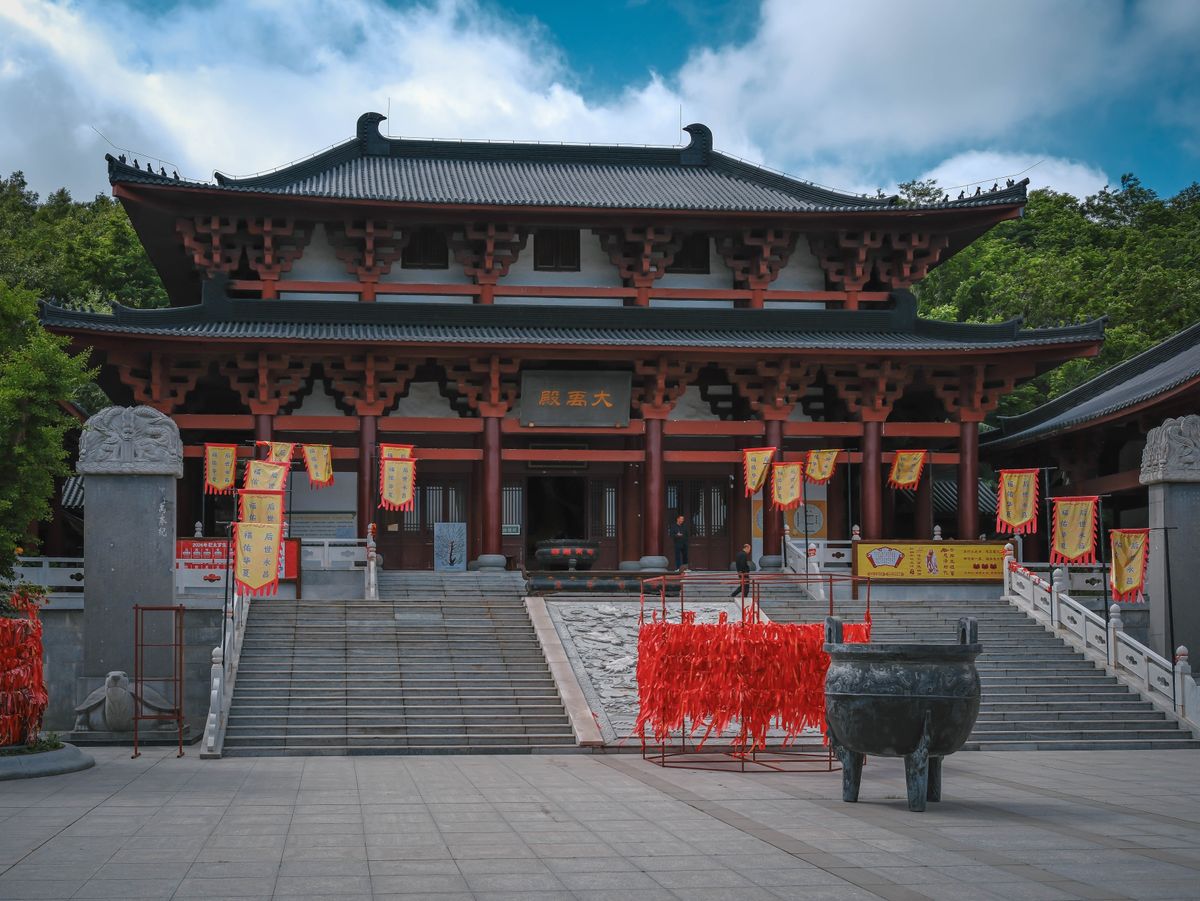
How to Tour the White Horse Temple for Historical Context
Many visitors walk through the White Horse Temple and see a collection of impressive buildings, but they leave without understanding the narrative embedded in its architecture. The site is not just a place of worship; it is a chronological story of how Buddhism first arrived and took root in China. A random walk misses the point entirely. To truly appreciate this landmark, you must follow the path its designers intended—a journey through time, from the first introduction of the faith to its established presence.
This guide provides a structured approach to touring the horse temple, focusing on its historical and architectural sequence. By following the central axis and understanding the significance of each hall, you can transform a simple visit into a deep, educational experience. We will outline the key checkpoints, explain their historical meaning, and provide a framework for a visit that is both efficient and insightful.
Understanding the Layout: The Central Axis as Your Historical Guide
The core of the White Horse Temple is organized along a central north-south axis, a traditional layout in Chinese temple architecture. This design is deliberate. It guides visitors on a journey that mirrors the progression of a devotee’s understanding and the historical establishment of Buddhism in the country. Starting from the south gate and moving north is not just a matter of direction; it is essential to following the story as it was meant to be told.
The southern entrance represents the beginning—the arrival of the new faith. As you proceed northward, each successive hall and courtyard marks a more established and deeper aspect of Buddhist doctrine and its integration into Chinese culture. The buildings become more significant, the iconography more complex. The final point on the main axis, the Cool and Clear Terrace, is the historical heart of the entire complex. Viewing the halls out of this intended order is like reading the chapters of a book at random; you see the words, but the plot is lost.

A Step-by-Step Historical Walkthrough of the Main Halls
To experience the White Horse Temple’s narrative, follow this prescribed route. This sequence connects each major hall and landmark to its specific historical and religious meaning, ensuring you don’t miss the critical details that give the site its profound significance. Each stop builds upon the last, creating a cohesive story.
-
The Main Gate (Shanmen) and Stone Horses
What It Is: The formal entrance to the temple complex. It is flanked by two stone horses from the Song Dynasty, which are symbolic representations of the white horses that were said to have carried the first Buddhist scriptures and monks to Luoyang from India.
Historical Meaning: This is the prologue to the story. The horses are not just decoration; they are a direct reference to the temple’s founding legend. They symbolize the arduous journey and the official introduction of Buddhism to China under Emperor Ming of the Han Dynasty. Pausing here sets the stage for everything that follows. This is “Chapter 1: The Arrival.”
-
Hall of Heavenly Kings (Tianwang Dian)
What It Is: The first major hall after the entrance. It houses the statues of the Four Heavenly Kings, who act as celestial guardians of the world, and the Maitreya Buddha (the “laughing Buddha”).
Historical Meaning: This hall serves as the spiritual gatekeeper. In Buddhist tradition, one must first pass the guardians before entering the main sacred space. Placing this hall first signifies protection and the establishment of a sanctified ground, separate from the secular world outside. It represents the securing of Buddhism’s place in its new home.
-
Hall of the Great Buddha (Daxiong Baodian)
What It Is: The primary hall for ceremonies and worship. It is the architectural and spiritual center of the temple. Inside, you will find a large statue of the historical Buddha, Sakyamuni, flanked by his two main disciples.
Historical Meaning: This represents the core teachings and the central figure of the faith. Its size and central location underscore its importance. After passing the guardians, the visitor now confronts the main object of reverence. This hall signifies the establishment of core doctrine and a formal place of worship for the new community of believers.
-
Hall of Mahavira (Dafodian)
What It Is: A hall that often contains statues of the three Buddhas of the past, present, and future, showing the cosmic and timeless nature of Buddhist teachings.
Historical Meaning: Moving to this hall signifies a deepening of understanding. The focus shifts from the single historical figure of Sakyamuni to the broader, more abstract concepts of Buddhist cosmology. It represents the intellectual and philosophical maturation of Buddhism in China, moving beyond the initial introduction to embrace its full theological depth.
-
The Cool and Clear Terrace (Qingliang Tai)
What It Is: Located at the northernmost end of the central axis, this raised terrace is believed to be the original site where the first Indian monks lived, worked, and translated the Buddhist scriptures they brought with them.
Historical Meaning: This is the historical climax of the tour. It is not just another building; it is the physical origin point of the entire temple and, arguably, of Chinese Buddhism itself. Standing here connects you directly to the foundational act of translation and teaching that started everything. All the grand halls you just walked through exist because of the humble scholarly work that took place on this very spot nearly two millennia ago.
Beyond the Main Axis: The International Dimension
While the central axis tells the story of Buddhism’s ancient arrival in China, the areas flanking it tell a modern story of its global connections. The western side of the horse temple complex features an impressive International Zone, or Vihara, with temples built in the architectural styles of other Buddhist nations. This includes a Thai-style wat, an Indian-style temple, and a Burmese-style pagoda.
These additions are not historical artifacts but active symbols of contemporary cultural and religious exchange. They showcase how the White Horse Temple has evolved from being the cradle of Chinese Buddhism to a modern center for international Buddhist dialogue. Visiting this section provides a crucial epilogue to the historical tour of the main axis. It demonstrates that the story which began with two monks from India continues today through global partnership and shared faith. Ignoring this area means missing the full scope of the temple’s legacy.

Common Planning Mistakes and How to Avoid Them
A successful, meaningful visit requires more than just showing up. Many visitors make critical errors that prevent them from fully appreciating the site. Here is a checklist of common mistakes and how to ensure your tour is structured for maximum historical insight.
| Common Mistake | Why It’s a Problem | Solution |
|---|---|---|
| Entering from a side gate or walking north to south. | It reverses the historical narrative. You experience the conclusion (the translation terrace) first and the introduction (the symbolic horses) last, which is confusing. | Always start at the main southern gate (Shanmen) and walk straight north along the central axis. Follow the halls in the order presented above. |
| Skipping the Cool and Clear Terrace. | Some visitors see it as just another building at the back. This is the most historically significant spot in the entire complex—the origin point. | Allocate specific time for the Terrace. Treat it as the final destination of the historical tour and reflect on its role as the birthplace of the temple’s legacy. |
| Ignoring the International Viharas. | Focusing only on the ancient halls misses the temple’s modern, living role as a center for global Buddhism. It provides an incomplete picture. | After completing the central axis tour, dedicate at least 30-45 minutes to exploring the Thai, Indian, and other international temples to the west. |
| Rushing the visit between other attractions. | The temple’s story and details cannot be absorbed in a quick walkthrough. The inscriptions, architectural details, and atmosphere require time. | Plan for a minimum of two to three hours. This allows for a deliberate pace along the central axis and sufficient time for the international section and gardens. |
By approaching the White Horse Temple with this structured plan, you engage with it on a much deeper level. The layout is the key, and following it unlocks a rich historical narrative that makes the visit a truly educational and memorable event.
For organizations planning specialized cultural or academic tours, our team can help develop detailed itineraries that align with your group’s specific educational objectives. Contact us to discuss your requirements.
About LyWOW Tours
LyWOW is a locally based travel agency in Luoyang, specializing in private tours for international travelers across Luoyang, Shaolin, Xi’an and Central China. English-speaking guides, flexible itineraries and door-to-door service.
Learn more about us or browse all our tours.