Blog
Architectural Diversity at Luoyang White Horse Temple Explained

Exploring the Distinct Architectural Styles of the Luoyang White Horse Temple
Visitors to the famed Luoyang White Horse Temple often arrive expecting to see purely traditional Chinese architecture. While the ancient core of the temple delivers this, a walk through its grounds reveals a surprising and fascinating collection of international Buddhist halls. Structures that look distinctly Indian, Thai, and Burmese stand in stark contrast to the classic Chinese pavilions. This architectural diversity is not accidental; it tells a powerful story of modern diplomacy, shared faith, and the temple’s unique status as a cradle of Chinese Buddhism.
Understanding why these halls differ so dramatically requires looking beyond simple aesthetics. Each structure is a deliberate cultural embassy, funded and designed by its respective nation to showcase its unique Buddhist heritage. Their differences in form, material, and symbolism reflect centuries of distinct development in Buddhist practice and artistic expression. This guide breaks down the origins and features of these remarkable international halls, providing clarity for cultural researchers and delegation planners.
The Foundation: Classic Chinese Imperial Temple Design
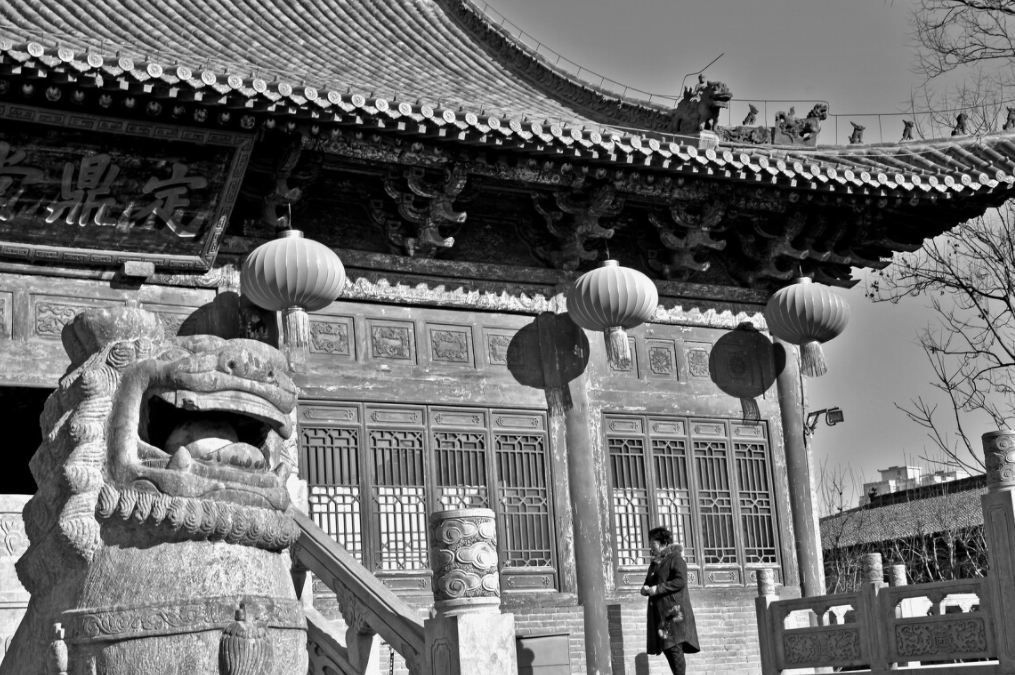
Before examining the international halls, it is essential to understand the architectural baseline of the main temple complex. The historic sections of the Luoyang White Horse Temple follow the principles of traditional Chinese palatial architecture, which has deeply influenced temple design for millennia. This style emphasizes order, symmetry, and a harmonious relationship with nature.
Key characteristics of the core temple complex include:
- Axial Symmetry: The main halls, gates, and courtyards are arranged along a central north-south axis, creating a sense of balance and progression. As you move through the complex, each courtyard and hall builds upon the last, leading to the most sacred spaces.
- Timber Frame Construction: Elaborate interlocking wooden brackets, known as dougong, are a signature feature. These transfer the weight of the heavy tiled roofs to the structural columns, allowing for wide interior spaces and gracefully curved eaves.
- Hip-and-Gable Roofs: The roofs are typically covered in glazed ceramic tiles, often in imperial yellow or green. Their elegant curves are not merely decorative; they help distribute weight and manage rainfall effectively.
- Courtyard System: The temple is not a single building but a series of buildings and pavilions connected by walled courtyards. These spaces serve as areas for congregation, meditation, and transition, controlling the flow of people and energy.
This established Chinese style serves as the perfect backdrop, making the architectural statements of the international halls even more pronounced. The contrast highlights the rich diversity within the global Buddhist community.
Comparison: The Indian, Thai, and Myanmar Halls Explained
The international zone at the Luoyang White Horse Temple is a modern addition, with each hall a gift from its home nation. This section directly compares the three most prominent structures, explaining their differences in architectural origin, the nature of their patronage, and the specific Buddhist symbolism they embody. Understanding these distinctions is key to appreciating the temple’s global significance.
| Feature | Indian Hall | Thai Hall | Myanmar Hall |
|---|---|---|---|
| Architectural Origin | A faithful replica of the Great Stupa at Sanchi, a monumental example of early Indian Buddhist architecture from the Mauryan period. | Reflects the classic Bangkok (Rattanakosin) style, heavily influenced by the architecture of the Thai Grand Palace. | Inspired by the iconic Shwedagon Pagoda in Yangon, a quintessential symbol of Burmese Buddhism and national identity. |
| Primary Patronage | A governmental project, gifted by the Republic of India to commemorate the introduction of Buddhism from India to China. | Funded primarily through donations from the Thai Buddhist community and prominent private benefactors, reflecting public devotion. | A national gift from the Government of the Union of Myanmar, signifying strong bilateral ties and shared faith. |
| Core Buddhist Symbolism | Represents the origins of Buddhism. The stupa is a reliquary mound, symbolizing the enlightened mind of the Buddha and the path to nirvana. | Embodies the celestial grace and royal patronage central to Thai Theravada Buddhism. The ornate decoration signifies devotion and merit. | Focuses on gilded reverence and the accumulation of merit through offerings. The golden stupa is a beacon of faith and national pride. |
| Defining Visual Features | A large, solid masonry dome (anda), surrounded by a stone vedika (railing), and accessed via four ornate toranas (gateways). Minimalist and monumental. | Steep, multi-tiered roofs with dramatic, pointed gables. Adorned with glittering gold leaf, colored glass mosaics, and serpentine ‘chofa’ finials on the roof peaks. | A large, bell-shaped golden stupa topped with a multi-tiered spire (hti). Often features intricate wood carvings and surrounding smaller shrines. |
A Visitor’s Checklist: Key Architectural Details to Spot
When analyzing the different structures at the Luoyang White Horse Temple, knowing what to look for can transform a simple visit into a deeper architectural study. This checklist provides concrete details to identify within each of the main international halls, helping to connect their physical forms to their cultural origins.
Use this list to guide your observation on-site:
In the Indian Hall (Sanchi Stupa Replica):
- The Toranas (Gateways): Do not just walk through them. Stop to examine the intricate carvings depicting scenes from the life of the Buddha (Jataka tales). Unlike the rest of the stupa, these gateways are richly decorated.
- The Vedika (Railing): Notice the simple, solid, and circular nature of the stone railing. Its design is ancient, intended to demarcate the sacred space and guide practitioners in ritual circumambulation (pradakshina).
- The Anda (Dome): Appreciate the massive scale and stark simplicity of the dome itself. Its power comes from its form and volume, representing the universe and the dharma, rather than from surface decoration.
In the Thai Hall:
- Chofa and Naga: Look closely at the roofline. The slender, horn-like finials at the apex of the gables are called chofas, representing the mythical creature Garuda. At the ends of the bargeboards, look for stylized serpent heads, or Nagas, which serve as protectors.
- Glass and Gold Mosaics: Step back and observe how the exterior walls and columns glitter. This is achieved with tiny pieces of colored glass and gold leaf, a hallmark of the Rattanakosin style designed to reflect light and create a heavenly appearance.
- Layered Roofs: Count the tiers on the roof. The overlapping, steeply pitched roofs are not just for show; they help with ventilation in a tropical climate and create a sense of verticality and grace, drawing the eye upward.
In the Myanmar Hall:
- The Hti (Umbrella): The ornate, multi-tiered “umbrella” at the very top of the golden stupa is the hti. It is a feature of great importance on Burmese pagodas, often decorated with precious metals and jewels on the original structures.
- Wood Carvings: Seek out the wooden structures, such as pavilions or door frames, surrounding the main stupa. Burmese architecture is renowned for its masterful and intricate teak carvings, often depicting celestial beings or floral motifs.
- The Gilded Surface: The sheer amount of gold leaf covering the main stupa is its most overwhelming feature. This practice is a form of devotion and merit-making, representing the purity and preciousness of the Buddhist teachings.
By identifying these specific elements, one can better appreciate the thoughtful and authentic representation of each nation’s heritage within the grounds of China’s first Buddhist temple, the great Luoyang White Horse Temple.
For organizations planning educational or cultural delegations, our team can develop specialized itineraries focusing on sites of historical and architectural significance like the Luoyang White Horse Temple. Contact us to discuss your requirements.