
Blog
China Longmen Grottoes: A Photographer’s Planning Guide

China Longmen Grottoes: A Photographer’s Planning Guide
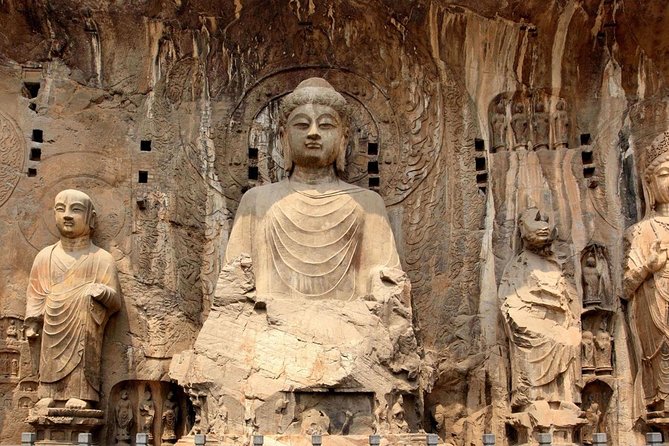
Planning a photography trip to the china longmen grottoes requires more than just showing up with a camera. The site stretches over a kilometer along the Yi River, with 2,345 caves and over 100,000 Buddha statues carved into sheer limestone cliffs. We’ve learned that the difference between a snapshot and a wall-worthy print often comes down to preparation. Here’s exactly how to set yourself up for success.
Understanding the Site Layout for Shooters
The grottoes are split into two main zones: West Hill (Xi Shan) and East Hill (Dong Shan). Most of the iconic imagery comes from West Hill, but don’t skip the other side. Knowing where to point your lens first saves precious golden-hour minutes.
The West Hill Grottoes – The Main Attraction
This is where 90% of the visitors stay, and for good reason. The massive Fengxian Temple houses the 17-meter-tall Vairocana Buddha, flanked by disciples and bodhisattvas. Arrive at 7:30 a.m. in summer (8:00 a.m. in winter) – right when the gates open. The low-angle morning light rakes across the limestone, revealing textures that vanish under the harsh midday sun. We’ve stood there with just 3 other people at that hour, compared to shoulder-to-shoulder crowds by 10:00. The Binyang Central Cave, with its shallow depth of field challenges, and the Lotus Cave’s ceiling carvings are also prime targets. Wear sturdy shoes; you’ll be climbing uneven stone steps with gear.
The East Hill and Xiangshan Temple
Cross the bridge to the East Hill for a completely different perspective. The Xiangshan Temple offers elevated, wide-angle views back toward the West Hill cliffs, especially dramatic after rain when mist clings to the river. Fewer tourists mean you can set up a tripod (more on permits later) without being jostled. The Guyang Cave here is one of the oldest, with exquisite calligraphy carvings that macro photographers will love. Plan at least two hours on this side.
Timing Your Visit for Dramatic Light
Light at the china longmen grottoes changes quickly because the cliffs face east-southeast. In spring and autumn, the sun rises almost directly into the faces of the main Buddha statues during the first hour after dawn. By noon, the sculptures are backlit or deeply shadowed, killing detail. That’s not unusable – silhouette work can be powerful if you expose for the sky – but most shoots revolve around two windows:
- Dawn to 9:30 a.m.: Soft golden light, manageable crowds. The Vairocana Buddha’s face glows.
- 4:00 p.m. to sunset: Warm sidelight on the West Hill caves. The East Hill gets direct backlight, perfect for silhouettes of the pagodas.
We avoid mid-October’s National Holiday week like the plague – 80,000 visitors in a single day turns the walkways into rivers of selfie sticks. Late October or early November gives you crisp air and thinner crowds. Winter is cold (temperatures dip to -5°C) but nearly empty, and low-hanging sun creates long, dramatic shadows.
Essential Photography Equipment
Lens choice makes or breaks your Longmen photos. A wide-angle zoom (16–35mm) is non-negotiable for the colossal scale. We’ve used a 14mm prime to capture the entire Fengxian Temple from the lower platform, but watch for perspective distortion on the vertical statues. A telephoto (70–200mm or 100–400mm) isolates individual figures from crowded backgrounds and compresses the layers of caves. For details like the tiny carved halos and musical instruments, pack a macro lens or extension tubes.
A sturdy tripod is allowed only if you obtain a photography permit (see next section). Bring a compact travel tripod that fits in a backpack, not a massive video rig that draws attention. We’ve been stopped with an 8-inch carbon fiber tripod and let through after showing the permit; a hefty aluminum one got rejected. Also carry:
- Circular polarizer to cut glare on wet stone after rain
- Variable ND filter for smoothing the river during long exposures
- Lint-free cloth and blower – limestone dust coats lenses fast
- Rain sleeve; sudden showers are common in June–August
Navigating Access, Permits, and Rules
Entrance tickets cost ¥120 (April–October) or ¥90 (November–March), and you can buy them via the official WeChat mini-program or at the gate. But here’s the catch for photographers: tripod use requires a separate photography permit, which is not available at the ticket office. You must apply at least 7 working days in advance through the Longmen Grottoes Management Office (we can assist our clients with this). The permit carries a small fee (typically ¥300–500 per day) and designates specific areas – usually you’re restricted to early morning hours before 9:00 a.m. and late afternoon after 4:00 p.m. in high-traffic zones.
Drones are strictly forbidden. The site lies under a no-fly zone enforced with counter-drone measures; we’ve witnessed security confiscating a DJI Mavic on the spot. Commercial shoots require an additional filming license with proof of insurance. Don’t use flash inside the caves – the painted pigments are light-sensitive, and guards will eject you.
Composition and Technique Ideas
Monstrous scale challenges every photographer. Avoid the common trap of standing dead center and pointing straight at the Buddha – the result is a documentary photo, not art. Instead:
- Use the stairs and railings as leading lines pointing toward the giant Vairocana.
- Frame the statues with cave openings – the smaller niches on either side of the main temple create natural vignettes.
- Embrace asymmetry. The damaged statues (many missing arms or heads) tell a raw story. A partial face half in shadow against a bright background can be haunting.
- Include a human element for scale. A tiny visitor, a monk in robes, or even your own backpack placed at the base of a carving – just remember to pack it out.
- Long exposures during twilight: the river smooths out, tourist crowds blur into ghostly trails, and the lit-up caves reflect on water after dark (the site stays open until 6:30 p.m. in summer, lighting activates around 6:00).
Getting There and Where to Stay
Luoyang, the nearest city, is 12 km away. The high-speed rail from Xi’an takes 1.5 hours; from Zhengzhou, 40 minutes. From Luoyang Longmen Station, a taxi to the site costs ¥30 and takes 15 minutes. We recommend staying at a hotel near the scenic area gate, such as the Dongshan Hotel, because you can walk to the entrance before the tour buses arrive. Budget alternative: Luoyang Old Town, which is cheaper but requires a 30-minute ride. Arrange your driver the night before – ride-hailing apps are reliable in Luoyang.
Frequently Asked Questions
What is the best time of day to photograph the Longmen Grottoes?
Early morning, right at opening time (7:30 a.m. in summer, 8:00 a.m. winter). The rising sun illuminates the east-facing statues with warm light, and crowds are minimal. Late afternoon from 4:00 p.m. to sunset also works for dramatic sidelight and silhouettes on the East Hill.
Are tripods allowed inside the Longmen Grottoes?
Yes, but only with a pre-arranged photography permit from the management office. Without it, security will ask you to stow the tripod. Small tabletop tripods are sometimes overlooked, but don’t count on it.
How do I get from Luoyang to the Longmen Grottoes?
Taxis and DiDi rides from Luoyang Longmen Station cost around ¥30 and take 15 minutes. Buses 53, 60, and 81 also run from the city center (about 40 minutes). Many hotels can arrange private transport for early morning departures.
Can I fly a drone at the Longmen Grottoes to capture aerial shots?
No. The entire area is a designated no-fly zone. Drones are actively confiscated if you attempt to launch them. All commercial aerial imagery requires special government clearance and is rarely granted.
Turn Your Vision into a Masterpiece
The china longmen grottoes demand patience and respect – but reward you with images that feel ancient and immediate at the same time. We’ve helped photographers from around the world secure permits, navigate language barriers, and find the exact angles that make a portfolio stand out. Our custom photography expeditions to Longmen handle every logistical detail so you can focus on the light. Reach out to start planning a trip that gets you in front of those limestone Buddhas at the perfect moment.
About LyWOW Tours
LyWOW is a locally based travel agency in Luoyang, specializing in private tours for international travelers across Luoyang, Shaolin, Xi’an and Central China. English-speaking guides, flexible itineraries and door-to-door service.
Learn more about us or browse all our tours.