 By
By How to Connect China’s Dynasties to Luoyang’s Ancient Sites
For cultural travelers, students, and researchers, interpreting the layered history of an ancient capital like Luoyang can be a profound challenge. How does one move beyond a simple list of dynasties to genuinely connect each imperial era with the physical remnants, artifacts, and archaeological sites that still exist today? This article provides a practical framework for tracing China’s dynastic succession through the tangible evidence found in Luoyang, offering a clear path to understanding its deep imperial legacy.
Understanding Luoyang’s Central Role in Chinese Imperial History
Luoyang stands as one of China’s most significant ancient capital cities, serving as the seat of power for over a dozen dynasties across more than 1,500 years. Its strategic location in the central plains made it a coveted political and cultural hub, influencing the development of Chinese civilization profoundly. From the Eastern Zhou through the Sui and Tang Dynasties, Luoyang was not merely a city; it was the crucible where imperial power, philosophical thought, and artistic innovation converged. Understanding this central role is the first step in appreciating the sheer volume of historical evidence available. Each dynasty left its distinct architectural, artistic, and administrative imprint, often built directly atop the ruins of previous eras. This continuous layering of history creates a complex, yet incredibly rich, archaeological landscape that demands a structured approach to decipher. Our focus will be on methods to systematically unpack these historical layers, ensuring that each visit to a site or museum contributes to a comprehensive chronological understanding.
A Chronological Method for Tracing Dynasties Through Luoyang’s Evidence
Connecting specific Chinese dynasties to their surviving physical evidence in Luoyang requires a systematic approach. Rather than aimlessly exploring, a structured method ensures that each site visit and museum experience contributes to a cohesive understanding of the city’s imperial timeline. Here is a step-by-step procedure, complete with key checkpoints and common pitfalls to avoid:
-
Step 1: Pre-Trip Dynastic Research & Site Identification
- Procedure: Begin by identifying the major dynasties that ruled from Luoyang, such as the Eastern Zhou, Eastern Han, Northern Wei, Sui, and Tang. For each, list their approximate dates and key historical events. Then, research specific archaeological sites, historical parks, and museums within Luoyang known to contain remnants from these periods. Cross-reference historical maps with modern locations.
- Key Checkpoint: Can you list at least two significant sites or museums for each major Luoyang-based dynasty?
- Common Failure Reason: Over-reliance on general tourist guides that don’t emphasize dynastic connections, leading to superficial site selection.
-
Step 2: Museum Immersion for Contextual Foundation
- Procedure: Prioritize a visit to the Luoyang Museum early in your exploration. This museum houses a vast collection of artifacts spanning millennia, often organized chronologically or by excavation site. Pay close attention to the exhibit labels, which typically specify the dynasty, artifact type, and original location. This provides a foundational visual and contextual understanding of each era’s material culture.
- Key Checkpoint: Can you identify distinct artistic styles, pottery types, or epigraphic forms associated with at least three different dynasties based on museum exhibits?
- Common Failure Reason: Rushing through museum exhibits without absorbing the detailed information, or failing to take notes on specific artifacts and their dynastic attribution.
-
Step 3: On-Site Dynastic Layer Identification
- Procedure: When visiting archaeological parks or multi-period historical sites (e.g., the Han Wei Luoyang Ancient City Ruins), actively look for signs of layered occupation. Many sites feature interpretive panels that detail which dynastic remains are visible at different depths or sections. Pay attention to architectural styles, city wall construction techniques, and tomb layouts. Guides, if available, can often point out these distinctions.
- Key Checkpoint: At a given site, can you differentiate between structures or artifacts belonging to at least two different dynastic periods?
- Common Failure Reason: Viewing a site as a monolithic entity rather than a palimpsest of historical periods, thus missing crucial distinctions between dynastic layers.
-
Step 4: Connecting Artifacts to Original Contexts
- Procedure: After visiting museums, revisit or reflect on the archaeological sites. Consider where specific artifacts displayed in the museum might have originated. For example, if you see a Han Dynasty tomb brick in the museum, imagine its placement within a Han tomb structure at a relevant site. This mental reconstruction links the portable evidence with its original fixed context, solidifying the dynastic connection.
- Key Checkpoint: Can you mentally place at least one significant museum artifact back into its approximate historical and physical context at an archaeological site?
- Common Failure Reason: Treating museums and archaeological sites as entirely separate entities, preventing a holistic understanding of how artifacts inform site interpretation.
-
Step 5: Documentation and Synthesis
- Procedure: Maintain a journal or digital record of your observations. For each site or museum, note the dynasties represented, key findings, and specific details that illustrate the period. Regularly review your notes to identify patterns, evolving styles, and shifts in urban planning that correspond to dynastic changes. This synthesis is crucial for building a comprehensive chronological narrative.
- Key Checkpoint: Can you articulate a brief chronological overview of Luoyang’s history, referencing specific sites and artifacts for each major dynasty?
- Common Failure Reason: A lack of organized documentation, making it difficult to recall specifics and connect disparate observations into a coherent historical timeline.
Key Archaeological Sites and Museums in Luoyang for Dynastic Study
Luoyang offers a wealth of locations where China’s imperial past can be directly observed. Selecting the right sites and understanding what each offers is critical for a productive historical journey. The table below highlights essential locations and their primary dynastic connections, providing actionable insights for your exploration.
| Site/Museum Name | Primary Dynasties Represented | Key Evidence/Highlights |
|---|---|---|
| Luoyang Museum | Eastern Zhou, Eastern Han, Northern Wei, Sui, Tang, Song, Ming, Qing | Comprehensive collection of artifacts: bronzes, pottery, jade, sculptures, and murals. Essential for broad dynastic overview. |
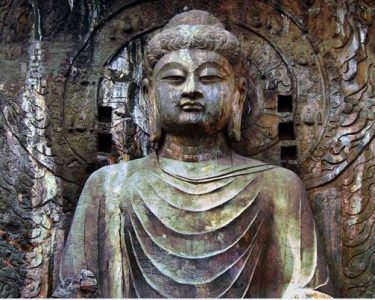
| Longmen Grottoes | Northern Wei, Tang | Thousands of Buddhist statues and grottoes carved into cliffs. Demonstrates Northern Wei artistic style and Tang Dynasty imperial patronage. |
| White Horse Temple | Eastern Han, Tang, Song, Ming, Qing | Acknowledged as China’s first Buddhist temple. While much rebuilt, it holds significant historical and religious context for the introduction and spread of Buddhism from the Eastern Han. |
| Wangcheng Park (Eastern Zhou Royal City) | Eastern Zhou | Site of the Eastern Zhou royal capital. Contains remnants of city walls and archaeological excavations, including chariot pits, offering tangible evidence of early imperial power. |
| Han Wei Luoyang Ancient City Ruins (Hanwei Luoyang Gucheng) | Eastern Han, Northern Wei, Sui, Tang | Extensive archaeological site preserving the layouts of multiple dynastic cities built on the same location. Reveals urban planning and architectural foundations from different imperial periods. |
| Museum of Luoyang Eastern Han Dynasty Tombs | Eastern Han | Dedicated to presenting tomb structures and burial customs of the Eastern Han period, offering direct insight into the daily life and funerary practices of that specific dynasty. |
This table provides a starting point. Each location offers unique insights, and prioritizing visits based on your specific dynastic interests will enhance your understanding of Luoyang’s layered history.
Leveraging Digital Resources and Expert Guidance for Deeper Insights
While on-site exploration and museum visits are paramount, supplementing these experiences with digital resources and expert guidance can significantly deepen your understanding of Luoyang’s dynastic history. The sheer volume of information available online can be overwhelming, making targeted research crucial. Authoritative sources like academic databases, university archaeological project websites, and reputable historical societies often publish detailed findings and analyses that go beyond museum labels. For instance, digital archives can provide access to ancient texts, maps, and even 3D reconstructions of past imperial structures, offering perspectives not always immediately apparent at physical sites. When searching for information on a specific dynasty, prioritize sources from established research institutions or government cultural heritage bodies.
Furthermore, engaging with local historians or experienced guides can provide invaluable, nuanced interpretations. These experts often possess specialized knowledge of specific archaeological finds, local folklore, and the socio-political contexts that shaped each dynasty’s presence in Luoyang. They can highlight subtle details at sites that might otherwise be overlooked, or share insights into ongoing archaeological work. Before your visit, consider reaching out to local cultural organizations or reputable tour operators to inquire about specialized historical tours. Such engagements transform a general visit into a targeted historical exploration, connecting theoretical knowledge with practical, on-the-ground understanding. Combining rigorous self-guided research with expert insights offers a robust strategy for unraveling Luoyang’s complex imperial tapestry.
Tracing China’s dynasties through the ancient capital of Luoyang offers a unique opportunity to connect with a profound historical legacy. By employing a structured approach to site visits, museum exploration, and the integration of digital and expert resources, you can move beyond simple observation to a deep, chronological understanding of imperial China.
To explore deeper insights into ancient civilizations and their enduring impact, connect with our technical team today.