
Blog
Is 洛阳 the Same as 洛陽? Understanding Luoyang in Chinese


Is 洛阳 the Same as 洛陽? Understanding Luoyang in Chinese
Many businesses operating in global markets often encounter variations in how place names are written, especially when dealing with regions that use different character sets. A common question arises for the ancient city of Luoyang in Chinese: “Is 洛阳 the same as 洛陽?” The short answer is yes, both character combinations refer to the exact same historical city. However, understanding the subtle yet significant difference between these two written forms—one simplified, one traditional—is crucial for accurate B2B communication, documentation, and regional market engagement. This article aims to clarify this distinction, providing actionable insights for professionals seeking precision in their international operations.
The Fundamental Difference: Simplified vs. Traditional Characters
The core of the distinction between 洛阳 and 洛陽 lies in the two predominant writing systems for the Chinese language: Simplified Chinese characters and Traditional Chinese characters. Both systems convey the same meaning and are pronounced identically in Mandarin Chinese, yet their visual forms differ.
Simplified Chinese characters were introduced in mainland China by the government in the 1950s and 1960s with the aim of promoting literacy. This reform simplified many complex traditional characters by reducing the number of strokes, merging variants, or adopting simpler components. The character for “Yáng” (陽) is a prime example of this simplification, becoming “阳.”
Traditional Chinese characters, conversely, represent the older forms of Chinese characters that have been in use for thousands of years. They are more complex, often containing more strokes, and have been preserved in regions outside of mainland China that did not adopt the simplification reforms.
Therefore, when you see 洛阳 or 洛陽, both are referring to the same historical and culturally significant city of Luoyang in Chinese. The variation is purely an orthographic one, reflecting the different writing standards used in various Chinese-speaking regions. For B2B professionals, recognizing this difference is not merely an academic exercise; it directly impacts the clarity and correctness of official documents, marketing materials, and digital communications.
Comparison: Clarifying Character-Level Differences and Usage
To fully grasp the nuance between these two forms of Luoyang in Chinese, a direct comparison of the characters and their typical usage contexts is essential. The distinction primarily rests on the second character, “Yáng.” The first character, “Luò” (洛), remains consistent across both systems.

Here is a breakdown of the character-level differences and where each form is typically employed:
| Feature | Simplified Form (洛阳) | Traditional Form (洛陽) |
|---|---|---|
| Characters for “Luò” | 洛 | 洛 (same character) |
| Characters for “Yáng” | 阳 | 陽 |
| Key Difference | The “Yáng” character (阳) is a simplified version, reducing stroke count. | The “Yáng” character (陽) retains its original, more complex traditional form. |
| Primary Usage Regions | Mainland China, Singapore, Malaysia, and sometimes in Chinese communities in Southeast Asia. | Hong Kong, Macau, Taiwan, and many overseas Chinese communities, particularly in North America and Europe. |
| Government Standard | Standardized and officially promoted in mainland China since the mid-20th century. This is the official script for government, education, and public use. | Predominant in regions that did not adopt the mainland Chinese simplification reforms. Often associated with historical texts and classical literature. |
| Digital Context | Commonly found in digital content, software interfaces, and online platforms originating from or targeting mainland China. | Often seen in older publications, cultural preservation efforts, and specific regional digital content targeting traditional character users. |
| Business Relevance | Essential for clear and compliant communication, documentation, and branding when engaging with partners, customers, or authorities in mainland China. | Important for historical research, specific regional marketing campaigns, or cultural sectors targeting communities that primarily use traditional characters. |
Understanding this table is critical. While both 洛阳 and 洛陽 refer to the same city, using the correct form demonstrates cultural sensitivity and professionalism. For example, when addressing correspondence or creating shipping labels for a recipient in mainland China, 洛阳 is the appropriate choice. Conversely, for a Taiwanese business partner, 洛陽 would be expected. The distinction, though seemingly minor, can significantly impact the clarity and acceptance of your communications in the target region. The underlying entity, Luoyang, does not change, but the preferred written representation of Luoyang in Chinese certainly does.
Navigating Regional Language Standards in B2B Operations
For international businesses, adopting the correct character set is more than a linguistic nicety; it is a practical necessity for effective B2B operations. Misusing simplified or traditional characters can lead to minor confusion or, in critical scenarios, issues with legal documents, customs declarations, or database integrity. Here are actionable steps and a checklist to ensure accuracy:
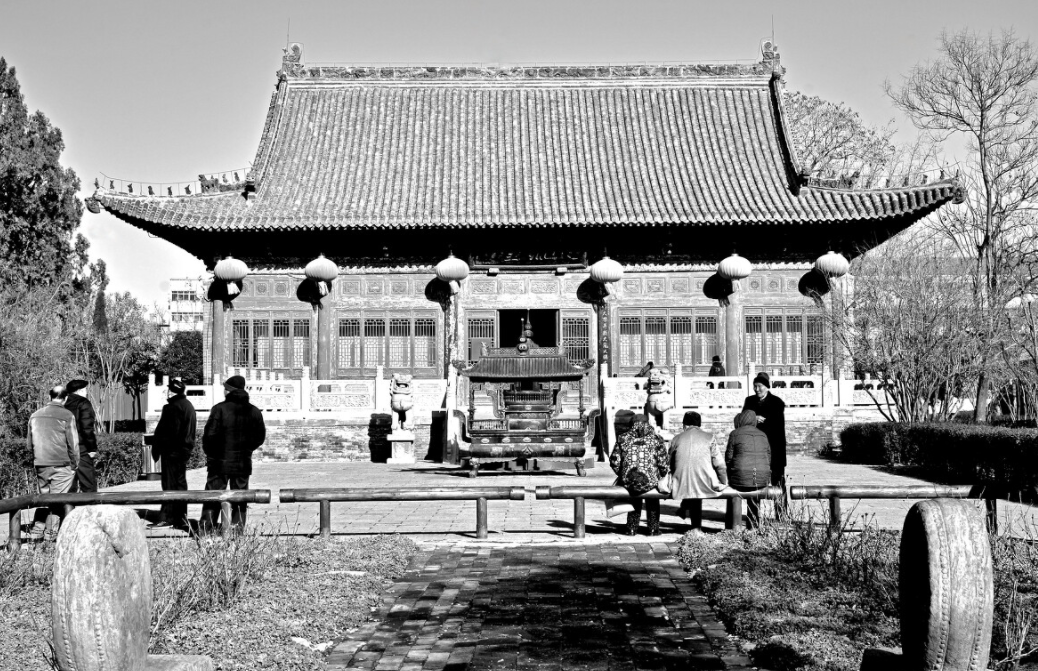
Buyer’s Decision Checklist for Character Usage:
- Identify Your Primary Target Region: Before any communication, confirm if your primary interlocutor or market is mainland China, Singapore, Malaysia (typically Simplified Chinese), or Hong Kong, Macau, Taiwan (typically Traditional Chinese). This dictates whether to use 洛阳 or 洛陽.
- Review Official Documentation: Always cross-reference the character form used on official government registrations, business licenses, or existing contracts provided by your Chinese-speaking partners. This is the definitive source for their preferred official name.
- Consult Local Partners or Experts: If in doubt, ask your local contact, a trusted translator, or a regional consultant to verify the correct character set for specific documents or communications. This proactive step prevents errors.
- Align Website and Marketing Materials: Ensure that all your digital and print marketing content (websites, brochures, product labels) uses the appropriate character set for your target audience to build credibility and avoid miscommunication regarding Luoyang in Chinese.
- Verify Software and System Compatibility: Confirm that your enterprise resource planning (ERP), customer relationship management (CRM), and other critical business systems can accurately display, process, and store both simplified and traditional Chinese characters. This is vital for managing customer data and order details.
- Prioritize Consistency in Legal and Contractual Documents: For any legal agreements, contracts, or official certifications, strict adherence to the exact character form provided by the other party is paramount. Inconsistencies can lead to disputes or invalidation.
- Train Your Team: Educate your international sales, marketing, and logistics teams on the differences between simplified and traditional characters and their regional applications, especially for key geographical locations like Luoyang.
By systematically applying these checks, businesses can significantly reduce the risk of miscommunication and enhance their professional standing when operating in diverse Chinese-speaking markets. The integrity of your B2B relationships often hinges on such attention to detail.
The Historical Context of Luoyang’s Name and Its Significance
Luoyang is one of China’s Four Great Ancient Capitals, boasting a rich history that spans over 4,000 years. Its name itself carries significant geographical and cultural meaning. “Luò” (洛) refers to the Luo River, which flows through the city. “Yáng” (阳 or 陽) historically denotes the “sunny side” of a mountain or the “north bank” of a river. Therefore, Luoyang literally means “north of the Luo River,” or “sunny side of the Luo River.”
This etymological consistency is important to remember. Regardless of whether it is written as 洛阳 or 洛陽, the city’s identity, location, and historical legacy remain unchanged. The character simplification process in the mid-20th century preserved the meaning and pronunciation; it merely altered the visual complexity of certain characters. This deep historical context highlights that while the written form of Luoyang in Chinese may vary by region, the city’s enduring significance as a cultural and economic hub is universally recognized. For businesses engaging with this region, understanding this rich background can further enhance appreciation for its unique position in global trade and history.
Common Misconceptions and Best Practices for Global Businesses
Navigating the linguistic landscape of Chinese-speaking markets can present challenges, and several common misconceptions can hinder effective B2B communication. Avoiding these pitfalls and adopting best practices will ensure smoother operations when dealing with geographical names like Luoyang in Chinese.
Common Mistakes to Avoid:
- Assuming Uniformity: A significant error is to assume that all Chinese-speaking individuals or regions use the same character set. This overlooks the distinct preferences of mainland China versus Taiwan, Hong Kong, or overseas communities.
- Over-reliance on Automated Translation: While convenient, automated translation tools can sometimes default to one character set (often Simplified Chinese) without considering regional nuances. For critical documents, human verification by a native speaker is indispensable.
- Inconsistent Character Usage: Mixing simplified and traditional characters within the same document, website, or communication thread can appear unprofessional and confuse the reader. Maintain consistency throughout.
- Neglecting Database and System Integrity: Failing to configure databases, ERP systems, or CRM platforms to properly handle both simplified and traditional character sets can lead to data corruption, search issues, or incorrect display of names, including Luoyang in Chinese.
- Ignoring Local Business Cards and Signage: When meeting new partners, always pay attention to the character set used on their business cards or company signage. This offers a direct indication of their preferred standard.
Best Practices for Seamless Communication:
- Establish Clear Internal Guidelines: Develop a clear policy within your organization for which character set to use for different regions or types of communication. This ensures consistency across your team.
- Invest in Professional Translation and Localization: For high-stakes documents, marketing campaigns, or legal texts, engage professional translation services that specialize in regional Chinese variants. They can provide accurate translations that respect character preferences.
- Prioritize Clarity Over Assumptions: When in doubt, always err on the side of caution. Explicitly confirm the preferred character set with your contact or a local expert to avoid any ambiguity regarding names like Luoyang in Chinese.
- Educate Your Global Team: Provide training for teams involved in international communication on the importance of character sets and their regional implications. This empowers them to make informed decisions.
By proactively addressing these areas, businesses can foster clearer communication, strengthen relationships with their Chinese-speaking partners, and avoid costly misunderstandings stemming from linguistic differences. The effort to correctly use 洛阳 or 洛陽 reflects a commitment to precision and respect in international business.
In conclusion, while 洛阳 and 洛陽 both refer to the same historic city of Luoyang in Chinese, the distinction between simplified and traditional characters is vital for precise B2B communication. Understanding regional preferences ensures that your documentation, marketing, and operational communications are accurate and respectful. For further clarity on regional language standards in your export documentation or for any specific inquiries, our technical team is ready to assist.
