
Blog
Lo Yang China Explained: Verifying the Luoyang Connection

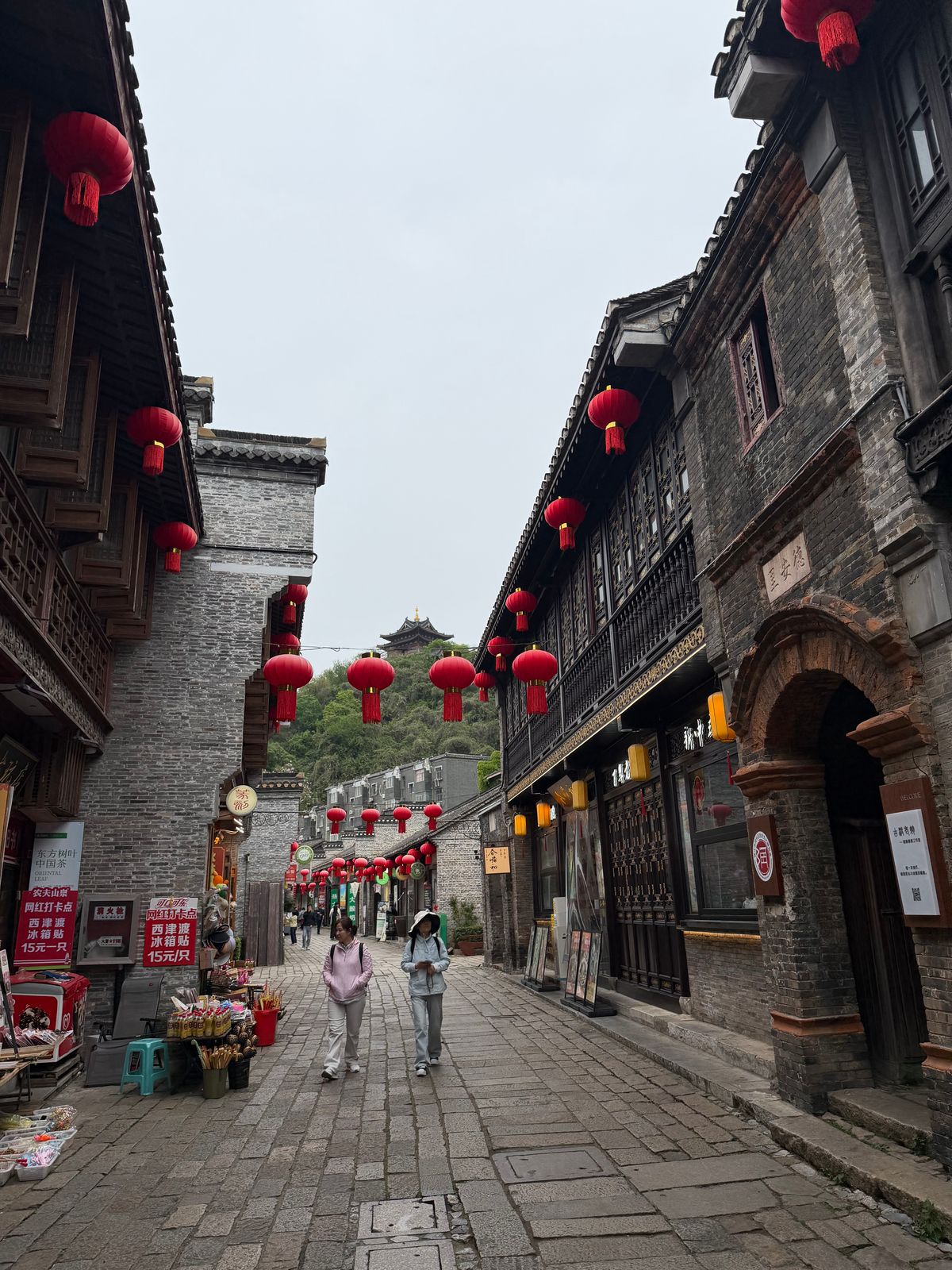
How to Identify That Lo Yang China Is the Same Place as Modern Luoyang
Anyone reading older trade records, missionary letters, or pre-1980s atlases eventually runs into the spelling “Lo Yang China” and pauses. Is this a different city from Luoyang? Was it renamed, merged, or discontinued? For researchers, translators, and procurement teams tracing historical shipping routes or archival references, this is not a trivial question — get the identification wrong and you misplace an entire supply chain history or misattribute a historical event to the wrong province. The short answer: Lo Yang China and Luoyang are the same city. The long answer involves understanding how China’s romanization systems changed over the twentieth century, and that’s what this guide walks through.
Why the Spelling Changed From Lo Yang to Luoyang
Before 1958, most English-language maps, gazetteers, and diplomatic documents used the Wade-Giles romanization system, developed by British scholars in the 19th century. Under Wade-Giles, the city’s name appeared as “Lo-yang” or “Lo Yang” — two syllables, sometimes hyphenated, sometimes spaced. When China adopted pinyin as its official romanization standard, the same two Chinese characters (洛阳) were re-rendered as “Luoyang” — one word, no hyphen.
Nothing about the city itself changed. No border was redrawn, no new municipality was created. What changed was purely the transliteration convention used by English-language cartographers, publishers, and government bodies. This matters because it explains why you’ll find “Lo Yang China” in sources printed before the late 1970s and “Luoyang” almost universally afterward, once pinyin became the international norm endorsed by the United Nations for Chinese place names.
Common Failure Point: Assuming a Name Change Means a Location Change
The most frequent mistake researchers make is treating a spelling shift as evidence of a physical relocation or administrative split. That’s incorrect here. Unlike some Chinese cities that were genuinely renamed or reorganized during the 20th century, Luoyang’s identity, its river, and its provincial placement remained constant — only the English letters used to represent the sound changed.
Step-by-Step Verification of the Lo Yang Spelling
If you’re working from an old document, ship manifest, or academic citation and need to confirm the Lo Yang reference points to today’s Luoyang, follow this sequence rather than guessing from context alone.
- Check the romanization era of the source. If the document predates 1979, or uses other Wade-Giles spellings nearby (like “Peking” for Beijing or “Nanking” for Nanjing), that’s a strong signal you’re reading pre-pinyin English. Lo Yang fits this same pattern exactly.
- Cross-reference the river name. Historical and modern sources alike describe this Luo River city as sitting on the southern bank of the Luo River (洛河), a tributary of the Yellow River. If the source you’re checking mentions a “Lo River” or “Luo River” in the same paragraph, that confirms the geographic match — a coincidence this precise is not credible.
- Confirm the provincial location. Every legitimate reference — old or new — places this Henan ancient capital in Henan province, in the central plains of China. If your source places “Lo Yang” in a different province, you likely have a transcription error or a different, smaller place name entirely, and you should not treat it as the same city without further checking.
- Overlay the coordinates on a modern map. Search Luoyang’s location using current mapping tools; you’ll find it roughly midway between Xi’an and Zhengzhou, along the historic corridor once called the Central Plains. Old Lo Yang China references describing distances from Xi’an (formerly Chang’an) or from the Yellow River basin will match this position closely.
- Check historical function references. If the document describes the location as a former imperial capital, a city with ties to multiple dynasties, or a terminus point along ancient trade and pilgrimage routes, that historical role belongs to Luoyang specifically — few other Henan cities carry that same documented status across so many periods.
Where Verification Commonly Goes Wrong
- Mistake: relying on spelling alone without checking province. Some transliterated place names look similar across different provinces. Always confirm Henan appears somewhere in the source, not just the phonetic spelling.
- Mistake: assuming all “Lo” prefixed names are Luoyang. Other Wade-Giles names also start with “Lo.” Cross-check the river and provincial detail before concluding it’s a match.
- Mistake: ignoring publication date. A 2005 document using “Lo Yang” is unusual and may indicate a typo, a stylistic choice, or a quote from an older source — verify rather than assume consistency with pre-1979 convention.
- Mistake: treating pinyin tone marks as optional details. Formal pinyin includes tone marks (Luòyáng), but everyday English usage drops them — this doesn’t indicate a different place, just informal romanization.
Quick Reference Table: Lo Yang China vs Modern Luoyang
| Attribute | Lo Yang (older sources) | Luoyang (modern pinyin) |
|---|---|---|
| Romanization system | Wade-Giles | Pinyin |
| Province | Henan | Henan |
| River | Lo River | Luo River |
| Typical usage period | Pre-1979 documents | 1979 onward, current standard |
| Historical role | Ancient capital references | Same historical role, retained in modern records |
This table is the fastest sanity check when you’re short on time: if all five attributes align between your source document and current geographic data, you’re looking at the same city under two different spelling conventions.
A Worked Example: Tracing a 1962 Trade Reference
Suppose you’re reviewing a 1962 export ledger that lists a shipment routed through “Lo Yang, Honan.” Two things confirm this is Luoyang, Henan. First, “Honan” is the Wade-Giles spelling of Henan — the same pre-pinyin pattern applies to province names, not just cities. Second, if the ledger references onward transport toward Xi’an or along the Yellow River basin, the geography lines up with Luoyang’s known position on established inland trade corridors. Cross-referencing both the province spelling and the transport direction removes any ambiguity — you don’t need external confirmation beyond the document itself.
When This Identification Does Not Apply
There are limited scenarios where “Lo Yang” might not refer to Luoyang. If a source uses the phrase as a personal name, a business name unrelated to geography, or references a place outside China entirely (rare, but occasionally seen in transliterated fiction or product branding), the verification steps above won’t resolve it — you’d need direct context from the document rather than geographic cross-referencing. Always treat the steps here as applicable specifically to place-name references tied to Chinese geography, not universal proof for every instance of the string “Lo Yang.”
Frequently Asked Questions
Where is Lo Yang China on a map?
It sits in the western part of Henan province, in central China, positioned along the Luo River and roughly between the modern cities of Xi’an and Zhengzhou. On any current map, search “Luoyang” to see the exact modern coordinates.
Is Lo Yang the same as Luoyang?
Yes. “Lo Yang” is the Wade-Giles romanization of the same two Chinese characters rendered as “Luoyang” in pinyin. No geographic or administrative distinction exists between them.
Why is Luoyang called Lo Yang in older texts?
Because English-language publishing prior to the late 1970s relied on the Wade-Giles system rather than pinyin. Once China’s government promoted pinyin as the international standard, atlases, news agencies, and academic publishers gradually switched their spelling, phasing out “Lo Yang” in favor of “Luoyang.”
For teams sourcing historical documentation, verifying old shipping records, or preparing academic citations tied to this Henan ancient capital, cross-checking spelling against province, river, and publication era resolves the ambiguity in minutes rather than guesswork. If your project involves compiling or translating archival material referencing Lo Yang China, feel free to reach out for a documentation review or citation-verification request.
About LyWOW Tours
LyWOW is a locally based travel agency in Luoyang, specializing in private tours for international travelers across Luoyang, Shaolin, Xi’an and Central China. English-speaking guides, flexible itineraries and door-to-door service.
Learn more about us or browse all our tours.