
Blog
Lo Yang China’s Industrial Evolution: From Ancient Capital

How Lo Yang China Evolved from Imperial Capital to Industrial Center
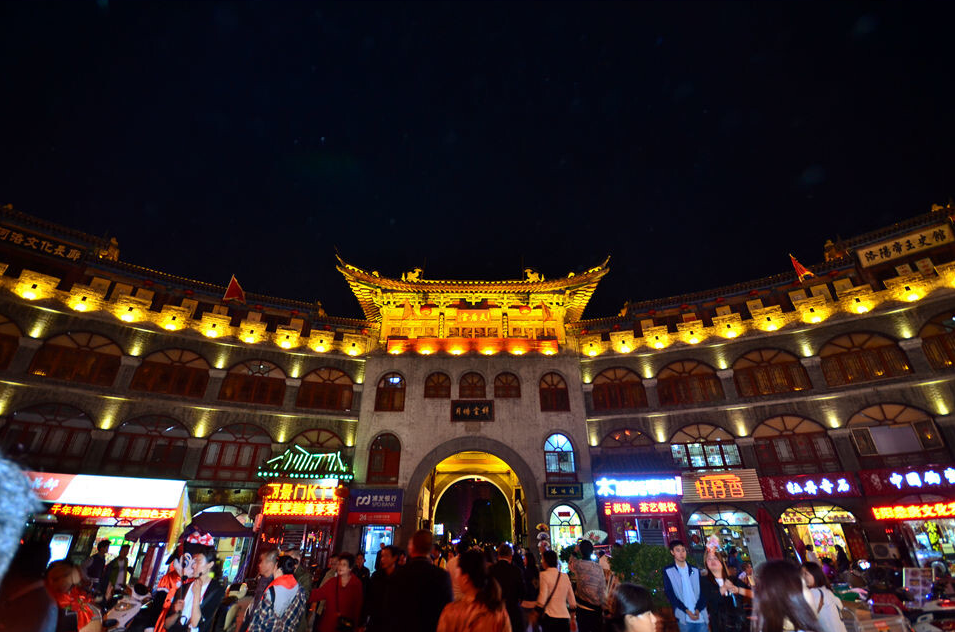
For many, the name Luoyang, often rendered as Lo-Yang China, conjures images of ancient dynasties, imperial grandeur, and a rich cultural heritage spanning millennia. It served as a capital for numerous Chinese empires, a beacon of civilization and political power. Yet, this historical narrative, while profound, overlooks a significant transformation: Lo-Yang’s evolution into a formidable industrial city. Understanding this shift is crucial for anyone looking beyond its historical veneer to grasp its contemporary economic significance.
How did a city steeped in imperial legacy pivot so dramatically to become an industrial powerhouse? This article delves into the specific historical forces—ranging from infrastructure development to strategic planning—that reshaped the identity of Lo Yang China, offering a critical analysis for those seeking a comprehensive view of its development.
Understanding Lo-Yang’s Transformation: From Imperial Capital to Industrial Powerhouse
The journey of Lo Yang China from a revered imperial seat to a bustling industrial hub is a testament to China’s broader industrialization efforts. This transition was not a gradual drift but a series of deliberate shifts driven by critical infrastructure, focused manufacturing, and systematic urban planning. Grasping these changes is vital. Misinterpreting a region’s foundational economic drivers can lead to flawed market entry strategies or misjudged supply chain decisions, conflating historical prestige with modern economic function.
The table below provides a comparative analysis of Lo-Yang across these pivotal eras, highlighting the practical implications of each developmental stage:
| Parameter | Imperial Capital Era (Pre-20th Century) | Industrial City Era (Post-1949) | Practical Impact & Why It Matters for B2B |
|---|---|---|---|
| Rail Infrastructure | Limited, primarily canal-based or rudimentary road networks for local trade and imperial logistics. | Extensive rail lines connecting to national networks, facilitating bulk transport of raw materials and finished goods. | Impact: In the imperial era, limited transport meant high logistics costs and restricted market reach. Today, robust rail access in Lo Yang China enables efficient, high-volume shipping, significantly reducing lead times and transport expenses for B2B operations. Getting this wrong means underestimating freight costs or overestimating delivery speeds. |
| Manufacturing Focus | Artisan crafts, luxury goods for the imperial court, localized agricultural processing, and essential tools. Production was often small-scale and specialized. | Heavy industry (e.g., machinery, mining equipment), later diversifying into advanced manufacturing and materials. Large-scale, standardized production. | Impact: Imperial production supported local needs and elite consumption. Modern manufacturing in Lo Yang China implies a capacity for mass production and specialized industrial components. Misjudging this shift could lead to seeking artisan-level customization in an environment built for scale, or vice-versa, hindering supply chain alignment. |
| Modern Planning & Urbanization | Organic growth around imperial palaces and administrative centers, often lacking systematic urban infrastructure for large populations or industrial zones. | Deliberate establishment of industrial parks, planned residential areas, and modern utilities (power, water, communication). Focus on functional zoning. | Impact: Unplanned growth limited scalability and efficiency. Today, the planned industrial zones in Lo Yang China offer consistent infrastructure, reliable utilities, and streamlined logistics. Neglecting this modern planning context means potentially underestimating the city’s capacity for sustained industrial output or its ability to support modern business operations. |
Key Drivers of Lo-Yang’s Industrial Ascent
The transformation of Lo Yang China was not merely incidental; it was the result of a confluence of strategic decisions and inherent advantages. Recognizing these drivers helps to understand the resilience and potential of the city as an industrial hub. Overlooking these foundational elements can lead to a superficial understanding of its economic landscape, impacting long-term business engagements.
- Strategic Geographic Location: Situated in the central plains of China, Lo-Yang offered a midway point between eastern coastal regions and western interior provinces. This centrality, once crucial for imperial control, became vital for national industrial distribution networks. Its position provided access to diverse markets and facilitated the movement of goods across vast distances.
- Rich Natural Resources: The surrounding regions possess significant mineral deposits, including coal and various metallic ores. These resources were fundamental for developing heavy industries, providing the raw materials necessary for manufacturing without extensive long-distance transport in initial phases.
- State-Led Industrialization Policies: Post-1949, China implemented ambitious industrialization programs. Lo Yang China was strategically chosen as a key site for the development of heavy machinery, tractors, and mining equipment, receiving substantial state investment in factories, infrastructure, and skilled labor training. This direct governmental support provided a powerful impetus for rapid industrial growth.
- Development of Skilled Labor and Research: With state investment came the establishment of technical colleges and research institutions. This nurtured a pool of skilled engineers and technicians, creating a sustainable ecosystem for industrial innovation and problem-solving. A consistent supply of qualified labor is a cornerstone for any enduring industrial center.
- Infrastructure Modernization: Beyond rail, significant investments were made in power generation, water supply systems, and communication networks. These modern utilities are non-negotiable for large-scale manufacturing, ensuring operational continuity and efficiency.
Each of these factors played a critical role in shaping the industrial identity of Lo Yang China. For businesses, understanding these drivers helps in assessing the stability of supply chains, the availability of specialized skills, and the overall economic direction of the region. A failure to appreciate these underpinnings might lead to misjudging the city’s industrial capacity or its suitability for specific sourcing needs.
Navigating Modern Lo-Yang: Strategic Location and Economic Significance
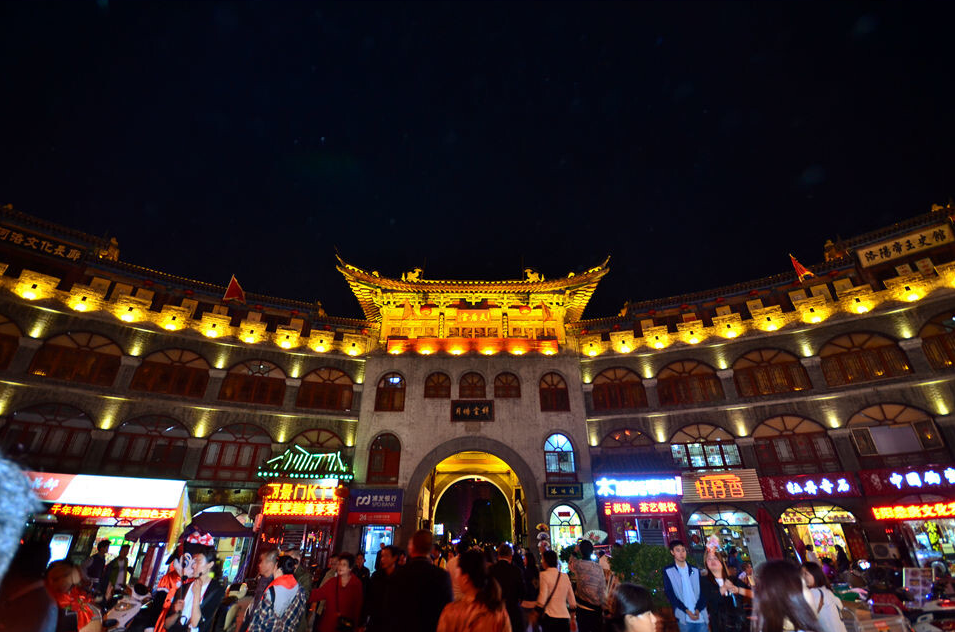
Today, Lo Yang China stands as a testament to successful industrial transformation. While its ancient history remains a source of pride and tourism, its economic engine is firmly rooted in manufacturing and innovation. The city serves as a critical node in Central China’s industrial network, providing essential components and finished goods to both domestic and international markets. Its continued relevance stems from its strategic location, sustained infrastructure investment, and evolving industrial base.
For B2B entities considering engagement with industrial cities like Lo-Yang, a structured approach to evaluation is essential. This ensures that the historical context informs but does not obscure the modern industrial realities and capabilities. Here is a buyer’s checklist designed to assess any industrial hub, drawing lessons from Lo-Yang’s journey:
Buyer’s Checklist: Assessing an Industrial Hub for Strategic Sourcing
When evaluating potential sourcing locations or market entry points in industrial cities such as Lo Yang China, consider the following criteria:
- Infrastructure Connectivity:
- Is there reliable access to major rail lines, highways, and potentially inland waterways or air freight hubs?
- What are the typical transit times and costs to your target markets?
- Decision Point: Poor connectivity directly impacts lead times and logistics expenses.
- Industrial Specialization and Ecosystem:
- What are the dominant industries in the region? Do they align with your product or component needs?
- Are there established supply chain clusters (e.g., raw material suppliers, component manufacturers, assembly plants)?
- Decision Point: A well-developed ecosystem reduces sourcing risk and offers potential for collaboration.
- Labor Availability and Skill Set:
- Is there a sufficient pool of skilled labor relevant to your industry?
- Are there vocational schools or universities supporting technical training in the area?
- Decision Point: Labor shortages or skill gaps can inflate costs and reduce production quality.
- Utility Reliability and Cost:
- What is the stability and cost of electricity, water, and natural gas?
- Are there any known issues with power outages or water scarcity?
- Decision Point: Unreliable utilities can halt production and lead to significant financial losses.
- Regulatory Environment and Local Support:
- Are local government policies supportive of foreign investment and industrial development?
- Are there clear regulations regarding environmental compliance, labor laws, and business operations?
- Decision Point: A transparent and supportive regulatory environment minimizes operational risks.
- Risk Factors and Contingency Planning:
- What are the potential environmental risks (e.g., natural disasters)?
- Are there geopolitical or economic instabilities that could impact operations?
- Decision Point: Proactive risk assessment is crucial for business continuity.
By systematically addressing these points, businesses can make informed decisions when engaging with industrial powerhouses like Lo Yang China, leveraging its strengths while mitigating potential challenges.

The story of Lo Yang China is a compelling blend of ancient heritage and modern industrial might. Its successful transition serves as a blueprint for understanding how historical centers can reinvent themselves to meet contemporary economic demands. For businesses, recognizing this dual identity is key to unlocking the full potential of engaging with such dynamic regions.
To gain deeper insights into industrial sourcing strategies within regions like Lo Yang China, contact our technical team.
