Longmen China: Which Place Does the Name Refer To?
Searching for “Longmen China” can be confusing. The name appears in several parts of the country, but for most international visitors interested in Chinese history, Buddhist art, and Luoyang travel, it means the magnificent Longmen Grottoes in Luoyang, Henan Province.
Longmen means “Dragon Gate” in Chinese. It is a powerful and lucky name, so it has been used for counties, towns, mountains, and scenic areas across China. This guide will help you understand which Longmen is which—and make sure you arrive at the right one for your trip.
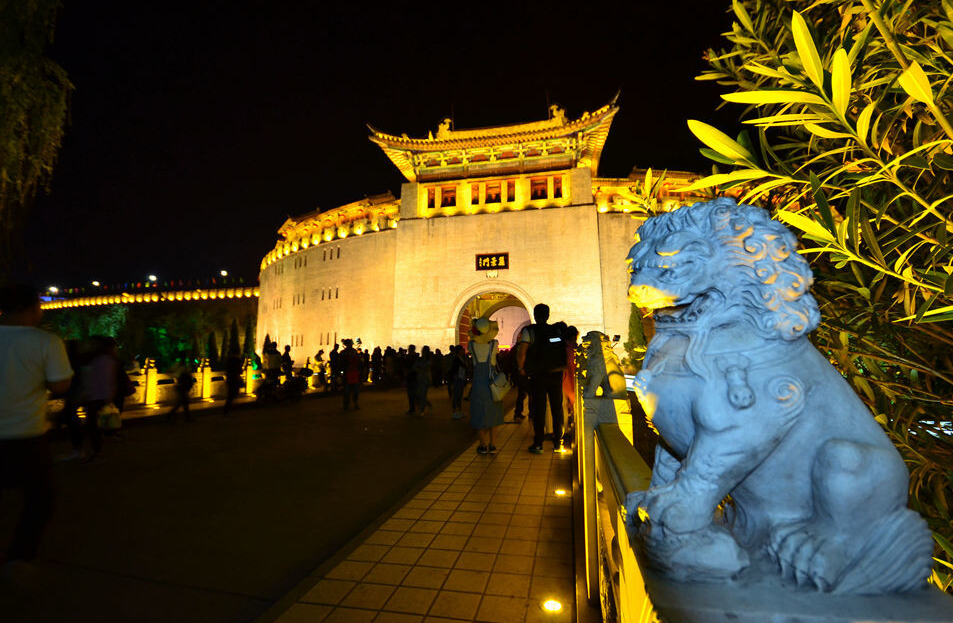
The Longmen Most Travelers Mean: Longmen Grottoes in Luoyang
For travelers, “Longmen China” usually refers to the Longmen Grottoes, a UNESCO World Heritage Site just south of central Luoyang in Henan Province. This is one of China’s greatest ancient art sites, with Buddhist caves and statues carved into limestone cliffs beside the Yi River.
The grottoes were created mainly between the 5th and 8th centuries, when Luoyang was an imperial capital. Over many centuries, emperors, officials, monks, and ordinary families supported the carving of more than 2,300 caves and niches. Today, visitors can see tens of thousands of Buddha figures, from tiny carvings to monumental statues.
The best-known section is Fengxian Temple. Its central Vairocana Buddha is about 17 meters high and is famous for its calm, gentle expression. Standing in front of this enormous figure is often the highlight of a Luoyang visit.
The Longmen Grottoes scenic area lies around 12 kilometers from Luoyang’s old city area. It is an easy half-day or full-day trip and combines well with the White Horse Temple, Luoyang Museum, or an evening walk in the old town.
How to Recognize the Right Longmen on Your Travel Plans
If your hotel, guide, train itinerary, or online ticket says “Longmen,” check the surrounding words. For the famous heritage site, you may see Longmen Grottoes, Longmen Shiku, or the Chinese name 龙门石窟 (Lóngmén Shíkū).
Another useful clue is Luoyang Longmen Railway Station. This major high-speed rail station is near the grottoes, not far from the Yi River. Travelers arriving from Xi’an, Zhengzhou, Beijing, or other cities often use this station before continuing to their Luoyang hotel or directly to the Longmen Grottoes.
The scenic area is administratively within Luoyang’s Luolong District. You may sometimes find older references to “Longmen District” or “Longmen area,” but there is no separate modern city called Longmen in Luoyang. For travel bookings, use “Longmen Grottoes, Luoyang, Henan” to avoid confusion.
- Correct destination for sightseeing: Longmen Grottoes, Luoyang, Henan Province
- Nearest rail station: Luoyang Longmen Railway Station
- Chinese name: 龙门石窟
- Best known for: UNESCO-listed Buddhist cave art and riverside scenery
Other Places Called Longmen in China
China has many place names that sound similar because “Dragon Gate” is a traditional symbol of success. In Chinese culture, the phrase “a carp leaps over the Dragon Gate” describes a person achieving an important goal, especially through study or hard work.
One of the most common sources of confusion is Longmen County in Huizhou, Guangdong Province. This is in southern China, near Guangzhou and Shenzhen, and is very far from Luoyang. It is known for forests, hot springs, rural scenery, and local food—not for the famous Buddhist grottoes.
You may also see Longmen Town in Fujian Province, Longmen place names in Zhejiang, and smaller villages or mountains with the same name elsewhere in China. These can be interesting local destinations, but they are unrelated to Luoyang’s Longmen Grottoes.
If you are planning a cultural tour in central China, always look for the words “Luoyang” and “Henan.” If your map shows Guangdong, Huizhou, Guangzhou, or Shenzhen, you are looking at a different Longmen.
Planning Your Visit to Longmen Grottoes
The Longmen Grottoes are best visited in the morning or later afternoon, when the light is softer and the weather is more comfortable. The site is large, with riverside paths, stone steps, bridges, and several major cave areas. Wear comfortable shoes and allow at least three to four hours for a relaxed visit.
Spring and autumn are usually the most pleasant seasons. April to May brings fresh greenery, while September to November often offers clear skies and mild temperatures. Summer can be hot and busy, while winter is quieter and can give the stone carvings a special, peaceful atmosphere.
The main visit includes the West Hill caves, where most of the major statues are located. Across the river, East Hill offers additional caves and broader views. A local guide can make a major difference here: many carvings are small or hidden, and their stories are easy to miss without explanation.
For a smooth day, consider combining Longmen with nearby attractions. White Horse Temple is ideal for travelers interested in Buddhism, while Luoyang Old Town and Lijing Gate are excellent choices for food, local crafts, and evening atmosphere.
FAQ: Longmen China for Travelers
Is Longmen a city in China?
No. “Longmen” is used by several places in China, but it is not a major city. For travelers, it most often refers to the Longmen Grottoes near Luoyang.
Where are the Longmen Grottoes?
They are in Luoyang, Henan Province, in central China. The site is about 12 kilometers south of central Luoyang and close to Luoyang Longmen Railway Station.
How do I make sure I book the correct Longmen?
Use the full name “Longmen Grottoes, Luoyang, Henan” when searching maps, booking tours, or arranging transport. The Chinese name 龙门石窟 is also helpful.
Is Longmen Grottoes worth visiting?
Yes. It is one of China’s most important Buddhist art sites and a memorable complement to Xi’an’s Terracotta Warriors, the Shaolin Temple, and Luoyang’s ancient capital heritage.
Planning a trip to Luoyang? Tell us your dates and interests, and we will send you a free custom itinerary within 24 hours — email us or WhatsApp us.