Luoyang, Henan Offers Far More Than Its Ancient Capital Legacy
Anyone planning a visit to Luoyang, Henan usually starts with the same question: is this still mostly a museum city built around dynastic ruins, or has it become something more modern in the last few decades? The honest answer sits in the middle. Luoyang carries roughly a dozen dynasties of history on its streets, yet it is also a lively modern city with universities, residential districts, parks, and convenient transport links. Understanding both sides helps you plan a more rewarding visit.
This article answers the practical questions a first-time visitor tends to ask, while looking beyond the standard “ancient capital” narrative you may have already read elsewhere.
What Does “Ancient Capital” Actually Mean for Luoyang, Henan Today?
The phrase “ancient capital” is attached to Luoyang because multiple Chinese dynasties, including the Han and Tang periods, used it as a seat of government. That history is real and visible — the Longmen Grottoes and surrounding archaeological sites draw scholars and visitors from across the world. But the label can mislead people into assuming the city is frozen in that era.
In practice, Luoyang’s historic attractions are located in particular areas, while the rest of the city has developed into a modern urban center. Treating the whole city as one large historical site is a common misconception among first-time visitors. The heritage areas, city center, museums, parks, and residential neighborhoods each offer a different side of Luoyang.
Luoyang’s Imperial Heritage and Present-Day Urban Identity
The clearest way to understand modern Luoyang is to compare what the imperial-era city represented with what visitors experience today. Neither side cancels the other out — they coexist in different parts of the same municipality.
| Dimension | Imperial-Era Luoyang | Present-Day Luoyang, Henan |
|---|---|---|
| Primary role | Dynastic capital, religious and administrative center | Regional cultural, educational, and urban center within Henan province |
| Landmark identity | Palaces, grottoes, temples, and Silk Road connections | Historic attractions, museums, parks, modern neighborhoods, and city landmarks |
| Population draw | Officials, monks, scholars, and travelers passing through historic routes | Residents, students, domestic visitors, and international travelers |
| Cultural character | Tribute, agriculture, religious life, and traditional crafts | Historic preservation, education, local cuisine, festivals, and contemporary city life |
| Visitor motivation | Historical and religious pilgrimage | Heritage sightseeing, cultural exploration, food, photography, and day trips |
The pattern worth noting is that heritage sites remain the city’s best-known connection with the outside world, but they are only one part of everyday life in Luoyang. Modern neighborhoods, local restaurants, universities, parks, and cultural activities give the city an atmosphere that cannot be understood from a single temple or museum visit.
How Should a First-Time Visitor Approach Luoyang, Henan?
If your interest is travel and culture, the order in which you explore Luoyang can make your visit more comfortable and enjoyable. Here is a practical approach:
- Choose your main areas first. Decide whether you want to focus on the old city, Longmen Grottoes, Luoyang Museum, White Horse Temple, or nearby natural attractions such as Mount Laojun.
- Allow enough time for each attraction. Luoyang’s major sights are spread across the city, so trying to visit too many in a single day can make your itinerary rushed.
- Check transport access. Luoyang connects with major cities in China by high-speed rail, and local taxis and ride-hailing services are useful for reaching attractions across the city.
- Include time for local food and daily life. Luoyang water banquet, beef soup, peony-themed dishes, and street snacks add an important local dimension to a sightseeing itinerary.
- Combine famous landmarks with quieter experiences. Alongside the best-known sites, consider a museum, traditional neighborhood, evening walk, or local market to see a more complete side of the city.
Common Mistakes People Make When Planning a Visit to Luoyang, Henan
- Assuming the whole city is a heritage district. Luoyang has historic areas as well as modern neighborhoods, shopping streets, parks, and cultural venues.
- Confusing Luoyang with Henan’s provincial capital. Zhengzhou holds that role. Luoyang is a separate, historically significant city within the same province.
- Trying to see every attraction in one day. Longmen Grottoes, White Horse Temple, the old city, and the museums are best enjoyed with a realistic schedule.
- Visiting only the most famous monuments. Food, local neighborhoods, museums, seasonal festivals, and evening scenery also help bring Luoyang’s culture to life.
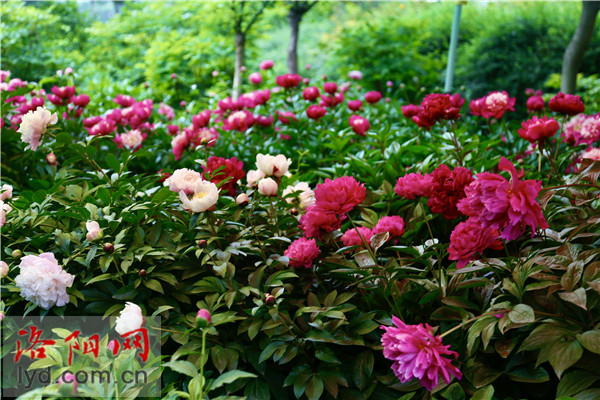
- Ignoring seasonal conditions. Spring is especially popular for peony blooms, while autumn often offers comfortable weather for sightseeing and photography.
When Does Luoyang, Henan Make Sense as a Travel Destination — and When Doesn’t It?
Luoyang is an excellent destination when you want to combine major historical attractions with local culture, traditional food, and a glimpse of everyday life in Henan. It works particularly well for travelers interested in Chinese history, Buddhism, archaeology, photography, or the cultural heritage of the Silk Road.
It may be less suitable as a stand-alone destination if you have only a few hours and want to see many widely scattered attractions. In that case, choosing one focused area, such as Longmen Grottoes and the Luoyang Museum, will make the experience more relaxed. Luoyang also works well as part of a longer itinerary connecting Zhengzhou, Shaolin Temple, Xi’an, and other destinations in central China.
Quick Checklist Before You Plan Your Luoyang Trip
- Have you chosen the historical sites and neighborhoods you most want to see?
- Have you allowed enough time to travel between attractions?
- Have you checked opening hours, ticket arrangements, and seasonal conditions?
- Have you included local food, museums, or cultural activities in your itinerary?
- Have you left some free time for a slower walk or an unexpected discovery?
Working through these five points takes only a little time and helps prevent the most common planning mistake: trying to treat Luoyang as a single compact attraction instead of a large city with many different experiences.

Luoyang rewards a two-track approach. Visit the heritage sites for their genuine, well-documented history, and explore the city’s neighborhoods, food, parks, and museums to understand its modern character. Experiencing both sides creates a richer and more memorable journey.
Planning a trip to Luoyang? Tell us your dates and interests, and we will send you a free custom itinerary within 24 hours — email us or WhatsApp us.
About Luoyang Joy Tours
Luoyang Joy Tours is a locally based travel agency in Luoyang, specializing in private tours for international travelers across Luoyang, Shaolin, Xi’an and Central China. English-speaking guides, flexible itineraries and door-to-door service.
Learn more about us or browse all our tours.