 By
By Luoyang White Horse Temple Is a Thoughtful Starting Point for Understanding Chinese Buddhism
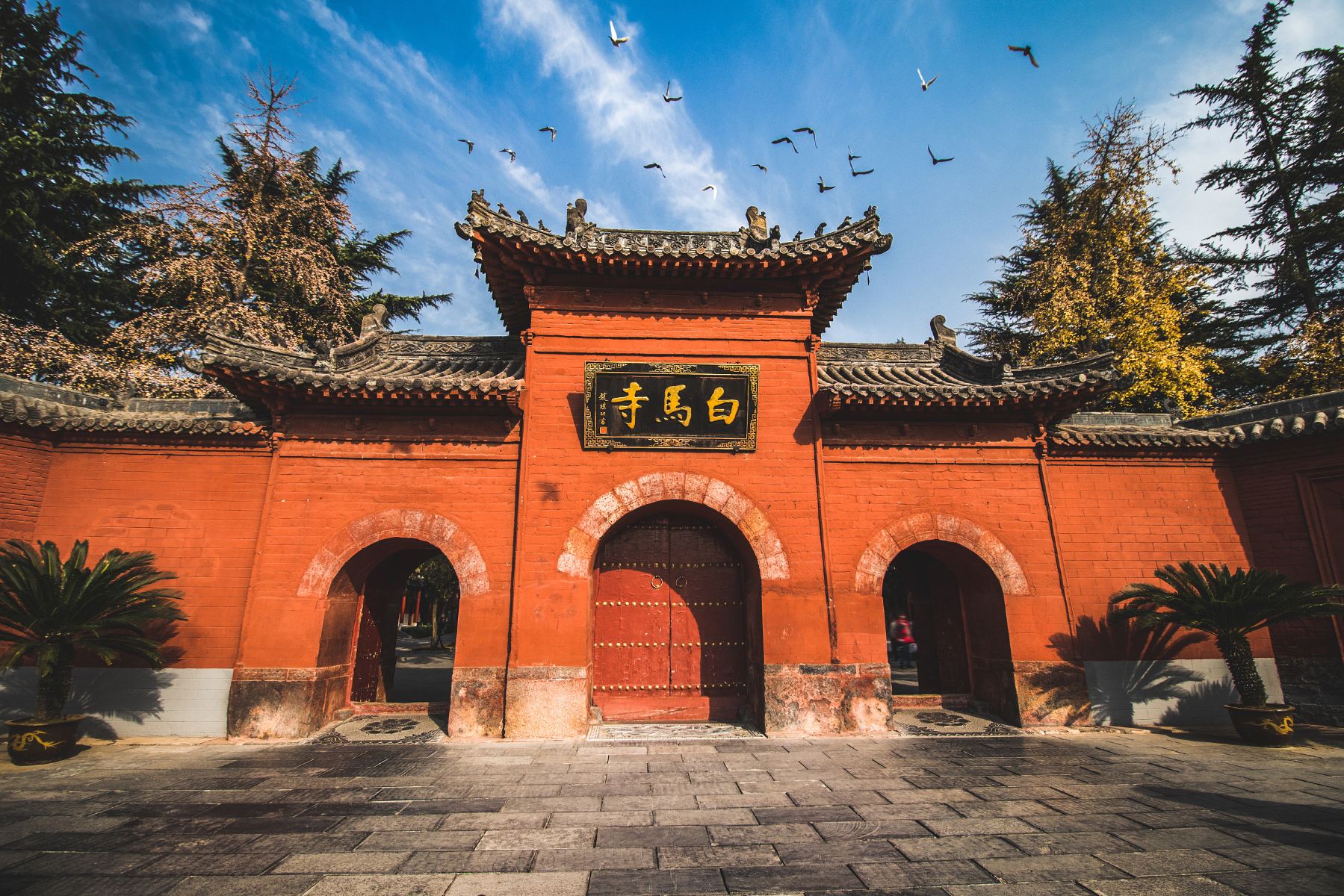
Luoyang White Horse Temple is a historic Buddhist temple in Luoyang, Henan, China, widely associated with the early development of Buddhism in China. For B2B travel planners, cultural-tour operators, researchers, and independent visitors, the site offers religious heritage, architectural interest, and a quieter cultural experience beyond Luoyang’s busiest urban attractions.
A rewarding visit involves more than photographing the entrance. The temple is an active religious and cultural space, so visitors should allow time to move through its courtyards, observe the buildings respectfully, and consider how the site fits into Luoyang’s wider history. This complete guide explains what to expect, how to prepare, and how to make the most of your visit without making assumptions about changing ticket policies or operating arrangements.
Why Luoyang White Horse Temple Matters
The significance of Luoyang White Horse Temple comes from its long connection with the transmission of Buddhism into China. It is often described as one of the country’s earliest established Buddhist temples, making it an important destination for visitors interested in religion, history, architecture, and cultural exchange.
Its importance extends beyond a single faith tradition. The temple illustrates how ideas, texts, artistic forms, and building traditions moved across borders. That broader context makes the site relevant to educational itineraries and cultural tourism programs as well as religious travel.
The name is commonly linked to white horses that, according to traditional accounts, carried Buddhist scriptures to Luoyang. This story gives the temple a memorable identity, while its buildings and courtyards provide a setting for considering its place in Chinese religious history.
Visitors should approach the site as a heritage destination rather than a themed attraction. Some areas may function as places of worship, and the atmosphere can change during ceremonies, festivals, or other religious activities. Quiet observation is usually more appropriate than hurried sightseeing.
What to See at Luoyang White Horse Temple
Traditional courtyards and temple halls
The temple layout guides visitors through a sequence of courtyards, gates, halls, statues, gardens, and memorial spaces. This progression is part of the experience. Rather than treating the complex as a single building, notice how each space shapes movement, creates pauses, and frames the structures ahead.
Traditional Chinese temple architecture often features symmetry, layered rooflines, timber details, decorative color, and axial planning. At this temple, these elements are best appreciated through close observation. Notice the relationship between the entrance route and the main halls, the scale of the courtyards, and the contrast between formal architectural spaces and quieter garden areas.
Religious statues and devotional spaces
Statues and altar areas may draw immediate attention, but they should be viewed with cultural sensitivity. Do not touch religious objects unless permission is clearly given. Photography may be restricted in certain halls, and flash photography can disturb worshippers.
A respectful visitor watches how local worshippers behave. Follow posted instructions, keep conversations quiet inside halls, and avoid blocking prayer areas. If you are visiting as part of a group, brief participants before entering so everyone treats the site with consideration.
International and cultural features
The temple’s history is connected with the movement of Buddhism beyond China. Visitors may also encounter architectural or cultural references associated with Buddhist traditions from other parts of Asia. These features can help explain the regional reach of Buddhist culture and Luoyang’s role as a historical center of exchange.
Interpretation may vary by location and language. If your group needs detailed historical explanation, arrange a qualified local guide or prepare background materials in advance. A guide can explain names, symbols, rituals, and architectural references that are easy to miss on a self-guided walk.
White horse imagery
The white horse is central to the temple’s identity. Look for related imagery and consider how the story has shaped the site’s public memory. The symbol connects a physical animal with the broader idea of cultural transmission: texts and beliefs traveling across regions and becoming part of a new cultural environment.
How to Plan Your Visit
Choose the right pace
Do not treat the temple as a rushed stop between unrelated attractions. A slower visit gives you time to read available information, study architectural details, and move respectfully through worship areas. The ideal duration depends on your interests, group size, mobility needs, and whether you use a guide.
For professional tour planners, build flexibility into the schedule. Cultural sites can require additional time when a group stops for interpretation, photography, or quiet observation. An itinerary without a buffer may force visitors to hurry, reducing both educational value and visitor comfort.
Check current visitor information
Opening arrangements, ticket procedures, seasonal access, temporary closures, and event schedules can change. Confirm current details through an official local source or your accommodation before departure. Do not rely solely on older travel posts, translated summaries, or third-party listings.
This check is especially important for organized groups. Ask about group entry procedures, guide requirements, coach access, local transport, and restrictions affecting photography or filming. Policies may differ for individual visitors and commercial tour groups.
Plan transport carefully
Luoyang has several historical attractions spread across different areas. When arranging transport, combine the temple with nearby stops only after checking realistic travel conditions. Traffic, road works, weather, and group loading time can affect the schedule.
Independent travelers can ask their hotel or local transport provider for the most practical route on the day of travel. Group organizers should confirm vehicle stopping arrangements in advance, particularly when traveling with older visitors or guests who need step-free access.
Prepare for outdoor walking
Much of a temple visit involves walking between courtyards and buildings. Wear comfortable shoes and bring weather-appropriate clothing. In warm conditions, carry water and plan short rest periods. In cooler or wet weather, some surfaces may become uncomfortable or slippery, so move carefully.
Accessibility conditions may vary across historic buildings and landscaped areas. Travelers with mobility requirements should ask for current information before arrival rather than assuming every part of the complex meets the same access standard.
Temple Etiquette for International Visitors
Respectful behavior is straightforward: dress neatly, keep your voice low, and follow signs or staff instructions. Avoid climbing on structures, leaning against statues, or using sacred areas as casual photo backgrounds. If a ceremony is underway, observe from a suitable distance and do not interrupt participants.
Photography should never take priority over worship. Ask before photographing people, monks, or religious activities. Commercial photography and professional filming may require advance permission, so production teams should clarify the rules before bringing specialized equipment.
Food, drinks, smoking, and phone use should follow posted regulations. Keep the grounds clean and dispose of waste properly. Small actions matter at a religious heritage site, especially when a group’s behavior reflects on a tour company, school, or corporate travel organizer.
When entering a hall, observe the local pattern of movement. Some visitors may bow, pray, or make offerings. You do not need to copy religious practices, but you should avoid mocking, interrupting, or treating them as entertainment.
Common Planning Mistakes to Avoid
- Relying on outdated schedules: Visitor information can change, especially around public holidays, religious events, and maintenance periods.
- Allowing too little time: A rushed group may miss important historical context and create congestion in narrow areas.
- Ignoring cultural etiquette: Loud conversation, intrusive photography, or careless movement can disrupt worship.
- Assuming every area is accessible: Historic courtyards, steps, and older buildings may present mobility challenges.
- Using unverified historical claims: Ask a knowledgeable guide to distinguish traditional accounts, religious narratives, and documented history.
- Planning transport without a buffer: Urban traffic and group logistics can affect arrival and departure times.
These mistakes are easy to prevent. A short pre-visit briefing, a flexible itinerary, and a current information check can substantially improve the experience.
Frequently Asked Questions
What is Luoyang White Horse Temple known for?
It is known for its historic association with the introduction and development of Buddhism in China. The temple is also valued for its traditional architecture, religious atmosphere, cultural symbolism, and connection with stories about the arrival of Buddhist scriptures in Luoyang.
Is Luoyang White Horse Temple suitable for first-time visitors to China?
Yes, provided visitors prepare for a cultural heritage experience rather than a conventional entertainment attraction. Basic research, respectful clothing, and awareness of temple etiquette can help first-time visitors feel more comfortable. A local guide can provide useful context for those unfamiliar with Buddhist traditions and Chinese temple design.
Can visitors take photographs inside the temple?
Photography may be allowed in some outdoor areas but restricted in particular halls or during religious activities. Follow the latest signs and staff instructions. Ask before photographing worshippers, monks, ceremonies, or professional activity.
Should business groups include the temple in a Luoyang itinerary?
It can be a strong option for groups seeking cultural learning, heritage interpretation, or a quieter alternative to purely commercial activities. Organizers should confirm transport, entry procedures, guide arrangements, accessibility, and current visitor rules before finalizing the program.
What should visitors bring?
Bring comfortable footwear, weather-appropriate clothing, drinking water where permitted, and a phone or camera used responsibly. Carry any required identification or booking information, and keep personal belongings organized during group movement.
How can visitors make the visit more meaningful?
Read a short introduction to Luoyang’s history before arriving, learn basic temple etiquette, and focus on the relationship between architecture, religious practice, and cultural exchange. Taking time to observe is more valuable than trying to photograph every building.
Final Advice for a Responsible Visit
Luoyang White Horse Temple rewards preparation and patience. Its value lies in the combination of historical memory, religious practice, architecture, and cross-cultural exchange. Visitors who arrive with realistic expectations can enjoy a deeper experience while showing respect for the people who use the temple as a living religious space.
For travel companies and professional planners, the same principle applies. Provide accurate, current information, avoid unsupported claims, brief guests on appropriate behavior, and allow enough time for the site to be experienced without pressure. That approach can improve visitor satisfaction while protecting the dignity of an important cultural destination.