Blog
Plan a 3-Day Route Through Luoyang in China’s Ancient Capital

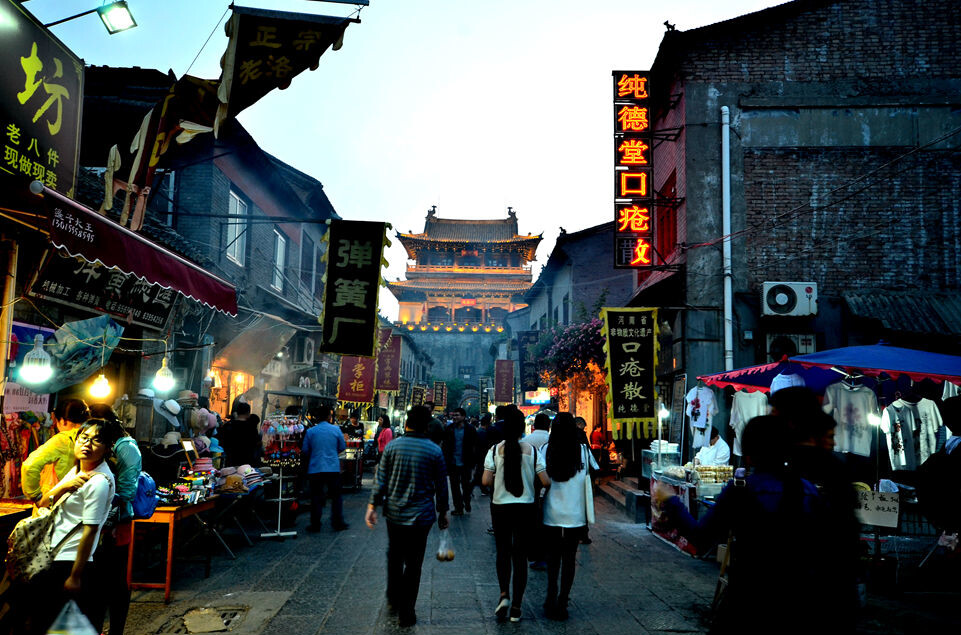
A Well-Planned 3-Day Route Through Luoyang in China Saves Travelers Hours of Backtracking
How do you fit over a thousand years of dynastic history into three days without losing half your trip to traffic and confused routing? That’s the question most independent travelers face once they realize Luoyang in China isn’t a single compact old town — it’s a city where the major sites are spread across four distinct zones, each requiring a different amount of time. Get the grouping wrong and you’ll spend an entire afternoon crossing back and forth across the Luo River for sites that should have been visited together.
This guide breaks Luoyang into manageable clusters, gives you a day-by-day structure, and flags the scheduling mistakes that eat up the most time.
Understand Luoyang’s Layout Before You Build an Itinerary
Luoyang sits in Henan Province, and its historic sites fall into roughly four geographic clusters rather than one walkable center. The Longmen Grottoes, a UNESCO World Heritage site, sit about 12-13 km south of the city center along the Yi River. White Horse Temple, often cited as the first Buddhist temple built in China, lies roughly 12 km to the east. The Luoyang Museum and the Sui-Tang Luoyang City National Heritage Park sit closer to downtown, within the modern urban grid. Mang Mountain, with its cluster of imperial tombs, is north of the city, across the Yellow River basin.
The mistake most first-time visitors make is reading a “top 10 attractions” list and visiting sites in popularity order instead of geographic order. That approach sounds intuitive, but it turns a 3-day trip into a transportation marathon.
Group Heritage Sites by Location and Time Requirement, Not by Popularity
The single most useful planning principle for Luoyang in China is this: cluster sites by zone first, then allocate time based on how much each cluster actually requires — not by how famous each individual site is. Here’s how the major sites break down:
| Zone | Key Sites | Typical Time Needed | Best Paired With |
|---|---|---|---|
| South (Longmen area) | Longmen Grottoes, Xiangshan Temple | 3-4 hours | Nothing else same day — distance from center makes a second cluster impractical |
| City Center | Luoyang Museum, Old Town, Lijing Gate area | 3-5 hours | Sui-Tang Luoyang City Heritage Park (short transfer) |
| East | White Horse Temple | 1.5-2 hours | Often combined with a return trip through the center |
| North | Mang Mountain tombs, Guanlin Temple | 2-3 hours | Can be folded into a center-day if transfer time allows |
Steps to apply this when building your own schedule:
- Step 1 — List every site you actually want to see, not every site on a generic “must-see” article.
- Step 2 — Tag each site by zone using the table above as a starting reference.
- Step 3 — Estimate transfer time between zones, not just between individual addresses. Zone-to-zone transfers in Luoyang commonly run 30-50 minutes by taxi or ride-hailing during normal traffic.
- Step 4 — Assign one zone per half-day block, two zones maximum per full day, and only if they’re adjacent.
- Step 5 — Build in a buffer of at least 30 minutes between blocks for ticket queues and security checks at major sites.
Common failure point: travelers try to combine the southern Longmen cluster with the northern Mang Mountain cluster in one day because both appear high on review-site rankings. The crossing between these two zones alone can consume most of a morning, leaving too little time at either site to make the trip worthwhile.
A Practical Day-by-Day Itinerary
This structure assumes you’re based in a hotel near the city center, which is the most common choice for travelers passing through Luoyang in China on a rail-based trip through Henan.
Day 1 — City Center and Old Town
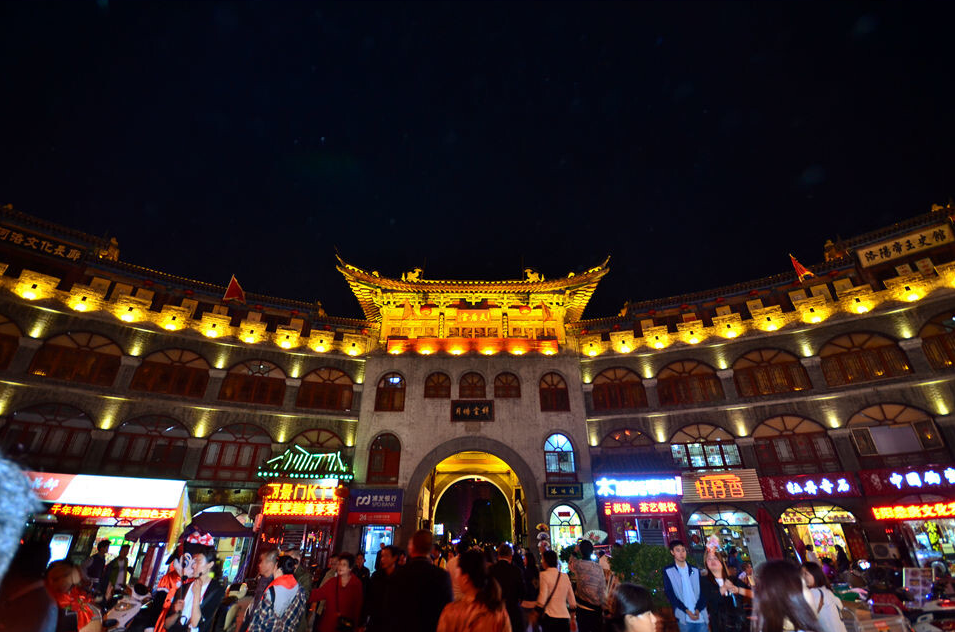
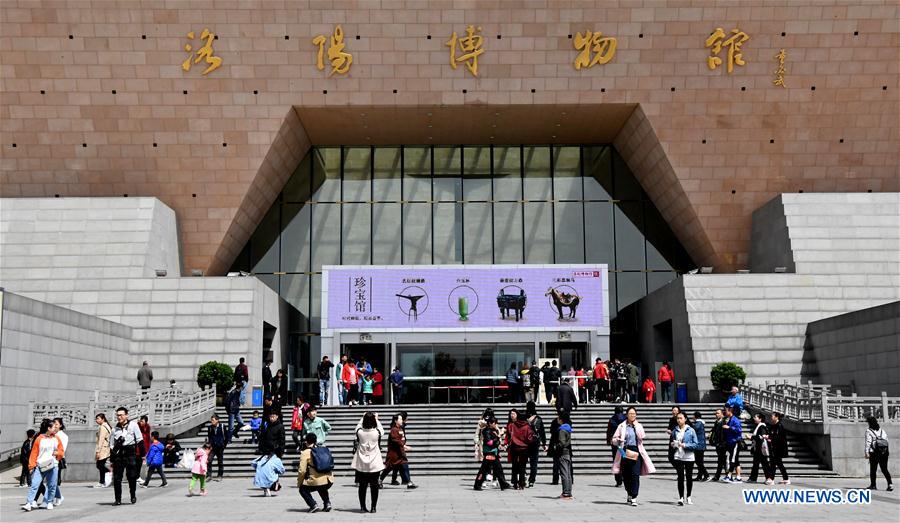
Start at the Luoyang Museum in the morning, when it’s least crowded. Spend the early afternoon walking the Old Town area and Lijing Gate, then transfer to the Sui-Tang Luoyang City Heritage Park, which sits close enough to the center that it doesn’t require a dedicated half-day. This day stays entirely within one zone, which keeps transfer time to a minimum.
Day 2 — Longmen Grottoes (Dedicated Day)
Treat the Longmen Grottoes as a standalone half-day to full-day commitment. The site is large, involves significant walking along the river cliffs, and queues can extend wait times during peak domestic holiday periods. Trying to squeeze in a second zone the same day is the most common scheduling mistake for this leg of the trip. If you finish early, a short rest back at the hotel is more realistic than rushing to a second site.
Day 3 — East and North, Combined if Time Allows
White Horse Temple in the morning, since it requires less time than Longmen. If your transfer logistics allow it, fold in Mang Mountain or Guanlin Temple in the early afternoon before heading to your onward transport. If you’re catching a train or flight in the evening, keep this day lighter and skip the second zone rather than risk missing departure.
Common Scheduling Mistakes That Waste a Day in Luoyang
- Visiting by popularity ranking instead of geography — leads to doubling back across the city multiple times.
- Underestimating Longmen Grottoes’ footprint — the site spans a long riverside stretch; budgeting less than 3 hours usually means missing half the carved niches.
- Booking a hotel far from the center to save cost — this adds 20-40 minutes to every transfer, compounding across three days.
- Ignoring peak-season queue times — ticket lines at major sites extend significantly during Chinese national holidays, which can eat an hour or more out of a tight schedule.
- Planning four zones into three days — this itinerary works with three zones comfortably; a fourth zone usually means sacrificing time at the others.
Transportation and Timing Checklist Before You Go
Use this checklist while finalizing your route for Luoyang in China:
- Confirm which zone your hotel sits in — center-zone hotels cut transfer time across all three days.
- Check opening hours for each target site in advance; some heritage parks close earlier than general tourist expectations assume.
- Decide in advance whether you’ll use ride-hailing apps, taxis, or public transit between zones — this affects your buffer-time estimate.
- Reserve at least one buffer block per day for queues, weather delays, or simply slower-than-expected walking at larger sites.
- Reconfirm your departure transport time before finalizing Day 3, since this determines whether a second zone is realistic that day.
None of this requires rigid, hour-by-hour planning. What it requires is sequencing decisions by zone first, then letting the time estimates for each cluster — not the attraction’s fame — determine how your three days fill up. Travelers who plan this way consistently report seeing the same number of sites with noticeably less time spent in transit.
If you’re mapping out a multi-city trip through Henan and want help sequencing Luoyang alongside nearby destinations, reach out with your rough dates and we can suggest a route order that matches your available time.