
Blog
Planning Your Business Trip to China Luoyang by Season

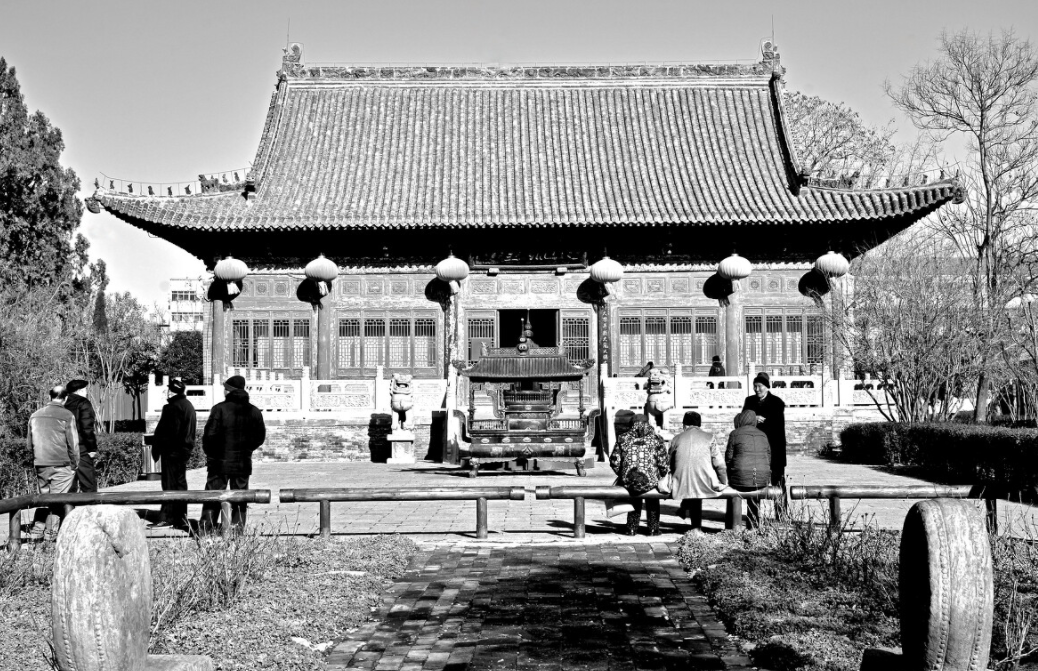
A Practical Guide to Planning Your Business Trip to China Luoyang
Deciding when to travel for business to China Luoyang involves more than just checking your calendar. Aligning your visit with the region’s distinct seasons, major cultural events, and fluctuating crowd levels is crucial for a productive and efficient trip. The wrong timing can lead to logistical challenges, inflated costs, and unavailable partners, while the right timing ensures smooth operations and opportunities for valuable relationship-building. This guide provides a strategic framework for planning your visit, ensuring your business objectives are met without unnecessary friction.
As a historical capital located in the central Henan province, Luoyang’s calendar is marked by significant temperature shifts and one of the country’s most famous festivals. Understanding this rhythm is the first step in scheduling a successful sourcing trip, factory audit, or partner meeting.
A Season-by-Season Method for Planning Your Luoyang Visit
Choosing the optimal time for your business trip requires balancing climate, costs, and crowds. Each season in Luoyang presents a unique set of advantages and disadvantages for the business traveler. Use this breakdown to link weather patterns and festival schedules to your own operational priorities.
Spring (March – May)
- Weather: Mild and pleasant, with temperatures gradually warming. This is generally considered the most comfortable time of year climatically.
- Crowd Levels: Extremely high, especially from mid-April to early May. This is the peak tourist season due to the Luoyang Peony Festival.
- Key Events: The Luoyang Peony Festival is the city’s main event, attracting massive domestic and international crowds. Expect parks, hotels, and restaurants to be at full capacity.
- Business Travel Implications:
- Pros: The festive atmosphere can provide unique networking opportunities and a chance to treat partners to a world-class cultural event. The weather is ideal for traveling between facilities.
- Cons: Hotel and flight prices are at their highest. Local transportation is heavily congested, making it difficult to maintain a tight meeting schedule. Your local partners may have limited availability due to festival-related activities or holidays.
- Conclusion: Only travel during this period if attending the festival is part of your business development strategy. If your trip is purely operational (e.g., quality control, technical audits), avoid these months.
Summer (June – August)
- Weather: Hot and humid, with daytime temperatures often reaching high levels. Occasional heavy rainfall is common.
- Crowd Levels: Moderate. Lower than the spring festival peak but still active with summer holiday travelers.
- Key Events: No major city-wide festivals. Focus is on standard tourism.
- Business Travel Implications:
- Pros: With the Peony Festival over, accommodation and travel costs decrease. It is easier to book meetings and secure the attention of your local counterparts.
- Cons: The intense heat and humidity can make travel between appointments uncomfortable and draining. Be prepared for potential travel disruptions due to summer storms.
- Conclusion: A good time for focused business trips where cost-effectiveness and partner availability are priorities. Plan for air-conditioned transport and build buffer time into your schedule for weather delays.
Autumn (September – November)
- Weather: Clear, dry, and very comfortable. Temperatures are mild, and there is plenty of sunshine. This is widely seen as the best weather of the year.
- Crowd Levels: Moderate to low. The National Day “Golden Week” holiday in early October brings a temporary spike in tourism, but the rest of the season is relatively quiet.
- Key Events: The Heluo Culture Festival may take place in September, but it has a much smaller impact on logistics compared to the Peony Festival.
- Business Travel Implications:
- Pros: Optimal combination of excellent weather and manageable crowd levels. This makes for efficient and pleasant travel around the city. Costs are reasonable.
- Cons: The early October holiday week should be avoided for scheduling meetings, as most businesses will be closed.
- Conclusion: This is the ideal season for most business travel to China Luoyang. It offers the best balance of favorable conditions and operational efficiency. Schedule your trip outside of the first week of October.
Winter (December – February)
- Weather: Cold and dry. Temperatures can drop below freezing, though heavy snow is not extremely common.
- Crowd Levels: Very low. This is the off-season for tourism.
- Key Events: Chinese New Year (typically late January or February) is the most significant event. The city becomes very quiet in the days leading up to it, and most businesses close for at least one to two weeks.
- Business Travel Implications:
- Pros: The absolute lowest prices for flights and hotels. You will have the full, undivided attention of your business partners (outside of the holiday period). Travel within the city is fast and easy.
- Cons: The cold weather can be unpleasant. The Chinese New Year holiday period is a complete shutdown for business; it is critical to schedule your trip well before or after it.
- Conclusion: Excellent for a highly focused, budget-conscious business trip, provided you avoid the Chinese New Year shutdown. This is the best time for intensive, multi-day factory audits with no distractions.
Common Mistakes to Avoid During the Luoyang Peony Festival
If your business trip must coincide with the high-traffic Peony Festival in spring, proactive planning is essential to prevent logistical failures. Many first-time visitors underestimate the festival’s impact on business operations. Avoiding these common mistakes will help you maintain productivity amidst the city-wide celebrations.
| Common Mistake | Reasoning & Impact | Corrective Action |
|---|---|---|
| Booking Last-Minute | During the festival, hotels and flights are often fully booked weeks or even months in advance. Prices can be double or triple the off-season rates. Arriving without reservations is not a viable option. | Secure all travel and accommodation bookings at least three months prior to your travel dates. Confirm reservations directly a week before departure. |
| Creating a Rigid Meeting Schedule | Traffic congestion increases dramatically. A taxi ride that normally takes 20 minutes could take over an hour. Public transport is packed. Stacking back-to-back meetings across the city is a recipe for failure. | Schedule no more than two off-site meetings per day. Group meetings by geographical area and build in at least 60-90 minutes of buffer time between appointments. |
| Ignoring Local Partner Availability | Your hosts and business partners may have personal or professional obligations related to the festival. They may also be hosting other clients. Assuming they have a completely open schedule is a frequent oversight. | Confirm your meeting agenda and the availability of key personnel well in advance. Propose a schedule but remain flexible and ask for their input on the best times to meet. |
| Underestimating Crowd Density | Major attractions, parks, and even popular restaurants will have long queues and dense crowds. This can be draining and makes impromptu business dinners or sightseeing difficult to arrange. | If you plan to entertain clients, make restaurant reservations far in advance. For sightseeing, consider visiting less-famous sites or pre-booking tickets for specific time slots online where possible. |
Integrating Key Attractions into Your Business Itinerary
While your primary purpose is business, visiting Luoyang’s world-heritage sites can be an excellent way to build rapport with local partners. Sites like the Longmen Grottoes, a stunning collection of Buddhist carvings, or the White Horse Temple, considered the cradle of Chinese Buddhism, offer deep cultural context. However, fitting them into a packed schedule requires thought.
Use this checklist to plan cultural excursions effectively without compromising your business objectives.
Checklist for Adding Sightseeing to Your Business Trip
- [ ] Consult Your Host: Ask your local partner for recommendations. They will know the best times to visit, how to avoid crowds, and may even offer to accompany you, which can be a great relationship-building activity.
- [ ] Verify Operating Hours: Check the official opening and closing times for your desired attraction, as they can vary by season. Don’t rely on third-party travel blogs for this critical information.
- [ ] Allocate Realistic Travel Time: Use a mapping service to estimate travel time from your hotel or last meeting, then add a 50% buffer. This accounts for unexpected traffic, which is common in developing areas.
- [ ] Pre-Book Tickets: For major sites like the Longmen Grottoes, booking tickets online in advance can save you significant time waiting in queues. This is especially critical during peak seasons.
- [ ] Hire a Professional Guide/Translator: A guide can navigate the site efficiently, focusing on the most important areas. If you are hosting clients, a professional translator ensures you can discuss both the cultural significance and your business in parallel.
- [ ] Schedule for Off-Peak Hours: The best time to visit major attractions is often early in the morning on a weekday. Avoid weekends and public holidays entirely if possible.
- [ ] Define the Goal: Is the visit for your own interest, or is it to entertain a client? If entertaining, the focus should be on their comfort and enjoyment, not on seeing every single point of interest. A relaxed, high-quality experience is better than a rushed, comprehensive one.
By strategically timing your travel and carefully planning your daily schedule, your business trip to China Luoyang can be both highly productive and culturally enriching. Understanding the local rhythm is key to success.
If you are planning a sourcing trip or supplier visit in the Luoyang region, contact our team to help align your travel schedule for maximum efficiency.
