
Blog
Planning Your Efficient Longmen Grotto Walk

Planning Your Efficient Walk Through the Longmen Grotto
For visitors seeking to experience the grandeur of the Longmen Grotto, the sheer scale and historical depth can be overwhelming without a clear plan. How can one best navigate this UNESCO World Heritage site to absorb its most significant artistic and spiritual offerings efficiently? This guide provides a structured approach to ensure you make the most of your self-guided tour, focusing on key landmarks, optimal viewing order, and crucial details to observe at each stop.
Essential Pre-Visit Planning for the Longmen Grotto
An effective visit to the Longmen Grotto begins long before you step foot on site. Proper preparation ensures a smooth and enriching experience, allowing you to focus on the intricate details and historical significance rather than logistical hurdles. Consider these elements to lay a solid foundation for your exploration.
Visitor’s Planning Checklist for the Longmen Grotto
Before embarking on your journey, review this checklist to confirm you have covered all critical aspects, from timing to on-site essentials. Skipping these steps can lead to missed opportunities or unnecessary delays.
- Optimal Visit Time: Aim for early mornings (opening time) or late afternoons (2-3 hours before closing) to avoid peak crowds. Weekdays are generally less busy than weekends.
- Seasonality: Spring (April-May) and Autumn (September-October) offer pleasant weather. Summer can be hot and humid, while winter is cold but offers fewer tourists.
- Time Allocation: Budget at least 3-4 hours for a comprehensive visit to both the West Hill and East Hill sections. A quicker tour might take 2 hours.
- Footwear: Wear comfortable walking shoes. The site involves considerable walking, including steps and uneven paths.
- Hydration & Snacks: Carry water, especially during warmer months. Snacks are advisable as food options within the grotto area are limited.
- Sun Protection: A hat, sunglasses, and sunscreen are crucial, as much of the site is exposed.
- Photography Gear: Bring your camera, but be mindful of signage regarding flash photography, which is often prohibited to protect the ancient carvings.
- Transportation to Site: Plan your route to the Longmen Grotto from Luoyang city. Taxis, ride-sharing apps, or public buses (e.g., Bus 60, 67, 81) are common options.
- Ticket Purchase: Consider purchasing tickets in advance online if available, or arrive early to avoid long queues at the ticket counter.
- Map & Audio Guide: Download an official map or consider renting an audio guide at the entrance for detailed explanations of the key caves and their history.
A Recommended Walking Sequence for Key Longmen Grotto Caves
Navigating the vast expanse of the Longmen Grotto requires a strategic approach. We recommend starting on the West Hill (Xishan Grottoes), which houses the majority of the most famous carvings, before crossing to the East Hill (Dongshan Grottoes) for panoramic views and a different perspective. This sequence optimizes viewing order, minimizes backtracking, and highlights critical details at each landmark.
Optimized Longmen Grottoes Itinerary (West Hill First)
Follow this step-by-step guide to immerse yourself in the art and history of the grottoes, ensuring you experience the most significant sites efficiently.
-
Qianxi Temple Cave (奉先寺洞):
- Location: Immediately after entering the West Hill section, on your right.
- Viewing Order: First stop. It’s an excellent introduction to the early Tang Dynasty style.
- Details to Notice: Observe the graceful, slender figures with their flowing drapery. This cave represents the transition from the relatively simple Northern Wei style to the more opulent Tang aesthetic. Pay attention to the vibrant remnants of paint on some figures and the intricate carving of the apsaras (celestial beings) on the ceiling.
-
Bingyang Caves (宾阳洞):
- Location: A short walk north from Qianxi Temple Cave. There are three Bingyang Caves (North, Middle, South).
- Viewing Order: Second, after Qianxi Temple. The Middle Bingyang Cave is the most prominent.
- Details to Notice: The Middle Bingyang Cave, sponsored by Emperor Xuanwu, showcases the Northern Wei style with its elongated faces, thin bodies, and “smile of Longmen.” Look for the intricate carvings of emperors and empresses on the cave’s outer walls, though some have been removed. The North and South Bingyang Caves show later influences and provide a comparative study of stylistic evolution.
-
Wanfo Cave (万佛洞 – Ten Thousand Buddhas Cave):
- Location: Further north from the Bingyang Caves.
- Viewing Order: Third. A highlight for its sheer quantity of small Buddhas.
- Details to Notice: True to its name, this cave features approximately 15,000 small Buddhas carved into its walls, each just a few centimeters tall. On the back wall, a large Amitabha Buddha is flanked by Bodhisattvas. Look for the lotus flower carved on the ceiling and the dancing apsaras. The inscription indicates it was completed in 680 AD.
-
Guyang Cave (古阳洞):
- Location: Nestled between Wanfo Cave and Fengxian Temple, slightly elevated.
- Viewing Order: Fourth, before the grand finale. This is one of the earliest and most important caves.
- Details to Notice: This cave is a treasure trove of Northern Wei art and calligraphic inscriptions. It houses some of the earliest and most complete examples of Buddhist sculpture at Longmen. Look for the “Twenty Calligraphies of Longmen,” renowned for their distinct Northern Wei style. The cave walls are covered with numerous small niches, each containing statues and inscriptions, often commissioned by individuals or groups.
-
Fengxian Temple Grotto (奉先寺 – Ancestor Worshipping Temple):
- Location: The southernmost and largest cave complex on the West Hill.
- Viewing Order: The grand climax of the West Hill tour.
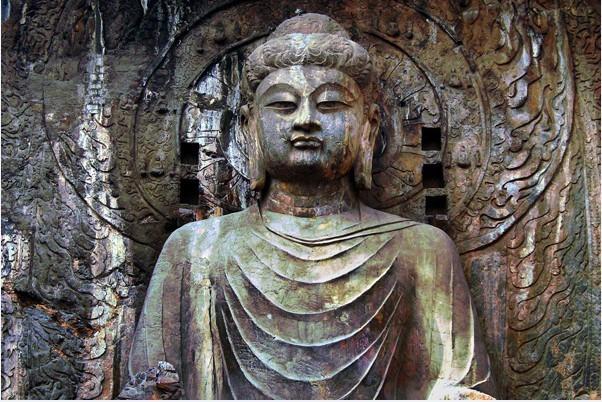
- Details to Notice: This open-air grotto is dominated by the colossal 17-meter-tall statue of Vairocana Buddha, flanked by disciples, Bodhisattvas, heavenly kings, and guardians. The serene and benevolent expression of Vairocana Buddha is said to resemble Empress Wu Zetian, who sponsored its construction. Observe the intricate details of the drapery, the powerful stance of the guardians, and the sheer scale, which conveys the zenith of Tang Dynasty Buddhist art. Allow ample time here for appreciation and photography.
-
Yi River Crossing & East Hill Grottoes (东山石窟):
- Location: Cross the Yi River via the bridge near Fengxian Temple.
- Viewing Order: After completing the West Hill grottoes.
- Details to Notice: The East Hill grottoes generally contain smaller, less numerous carvings compared to the West Hill. However, the primary value here is the breathtaking panoramic view of the West Hill grottoes across the river. This perspective allows you to grasp the immense scale of the carvings and how they integrate into the natural landscape. Explore a few of the smaller caves on this side to compare their styles with those on the West Hill.
Maximizing Your Experience: Common Pitfalls and Practical Advice at Longmen Grotto
While planning your route is crucial, avoiding common mistakes and implementing practical advice can significantly enhance your visit to the Longmen Grotto. Even well-laid plans can encounter unexpected challenges; being prepared helps mitigate these.
Common Mistakes to Avoid During Your Longmen Grotto Visit
Understanding potential pitfalls allows you to proactively manage your visit and prevent common frustrations, ensuring a more enjoyable exploration of the longmen grotto.
- Underestimating Walking Distance: The site is extensive. Many visitors are surprised by the amount of walking involved. Comfortable shoes are non-negotiable.
- Ignoring Weather Conditions: Extreme heat or cold can quickly detract from your experience. Check forecasts and dress appropriately, including layers and sun protection.
- Forgetting Hydration: Especially in warmer months, dehydration is a risk. Water is essential, and vendors can be scarce or overpriced.
- Rushing Through Major Caves: The details in caves like Guyang or Fengxian Temple require time to appreciate. Rushing means missing intricate carvings and historical context.
- Over-reliance on Mobile Data: While connectivity is generally good, having an offline map or downloaded information can be a lifesaver if signals drop or batteries die.
- Disregarding Photography Rules: Flash photography is often prohibited inside caves to protect the ancient pigments. Respect these rules to preserve the heritage.
- Not Utilizing the East Hill Viewpoint: Many visitors skip the East Hill, missing the iconic panoramic view of the West Hill, which offers a unique perspective on the entire complex.
- Arriving at Peak Times: Weekends and midday can see significant crowds, impacting your ability to view and photograph the grottoes comfortably. Adjust your schedule if possible.
Practical Advice for a Fulfilling Visit
Beyond avoiding pitfalls, these proactive tips can enrich your engagement with the ancient art and history of the Longmen Grotto.
- Pace Yourself: Take breaks. There are benches and shaded areas, particularly near the river.
- Focus on Details: Use the zoom on your camera or binoculars to observe the intricate carvings that are harder to see from a distance.
- Engage with History: If possible, read a brief history of the Longmen Grotto and the dynasties involved (Northern Wei, Tang) before your visit. This context makes the carvings come alive.
- Consider an Audio Guide: For truly in-depth information, an official audio guide provides narrative context for each major cave, often available in multiple languages.
- Be Respectful: The Longmen Grotto is a place of historical and cultural significance. Maintain a respectful demeanor, especially in areas of religious importance.
Beyond the Main Path: Exploring Lesser-Known Aspects of the Longmen Grotto
While the landmark caves on the West Hill command most visitors’ attention, the Longmen Grotto offers more for those with additional time or a deeper interest in its myriad facets. Exploring beyond the primary itinerary can reveal nuanced historical layers and unique artistic expressions that contribute to the site’s UNESCO World Heritage status.
The East Hill Grottoes, though less spectacular in individual scale, still hold hundreds of smaller niches and carvings. These often provide insights into later periods of Buddhist art and the changing patronage patterns. Many of these caves were carved by monks and scholars, offering a contrast to the grand imperial projects on the West Hill. A leisurely walk along the East Hill allows for reflection and appreciation of the overall landscape, often revealing subtle details missed in the busier West Hill. Furthermore, the area surrounding the grottoes includes remnants of ancient temples and pagodas, hinting at a once vibrant monastic community that thrived alongside the carvings.
For those interested in the natural environment, the Yi River itself, which flows between the two hills, has played a crucial role in shaping the grottoes’ location and accessibility. Observing the river and its banks can offer a sense of the geographical context that made this site ideal for such monumental undertakings. Remember that even the smallest niche at the Longmen Grotto holds centuries of history and artistic endeavor, waiting to be discovered by the observant visitor.
Planning your visit to the Longmen Grotto with a clear walking sequence and an understanding of what to look for transforms a simple tour into an immersive historical and artistic journey. By following a structured path through the landmark caves and paying attention to their unique details, you gain a profound appreciation for this extraordinary site.
For further travel planning resources or insights into historical sites, feel free to connect with our team.
