
Blog
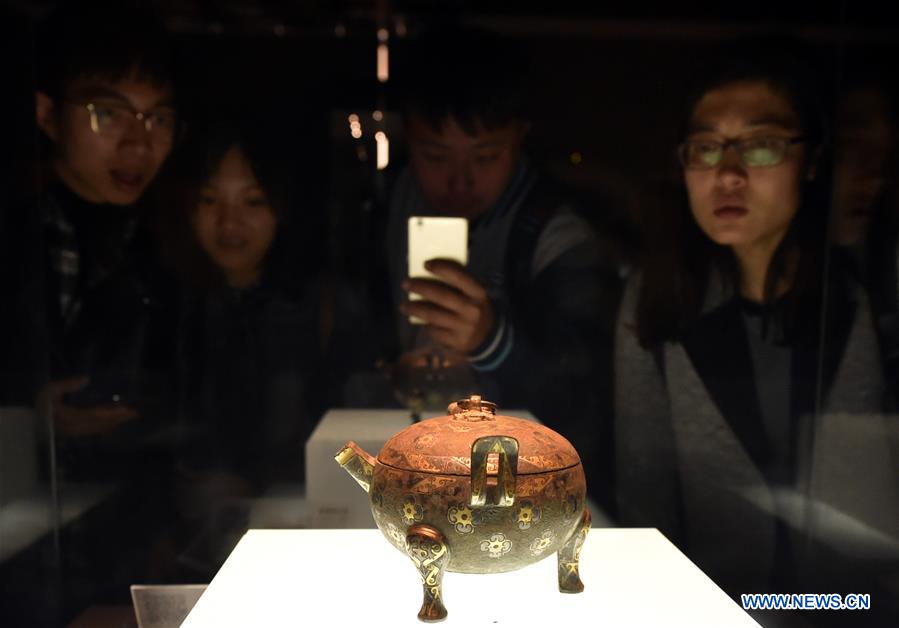
Sancai Pottery Means Far More Than Just Three Colors

Sancai Pottery Means Far More Than Just Three Colors
If you’re new to Chinese ceramics, the first question is usually simple: does “sancai” literally mean the piece only has three colors? The short answer is no — and that gap between the name and the reality trips up a lot of first-time buyers. Sancai translates to “three colors,” but the term has functioned as a category name for a broad family of lead-glazed earthenware since the Tang dynasty. Understanding this distinction matters before you evaluate a piece, request samples, or compare suppliers.
This article breaks down what the name actually covers, where the boundary of the term sits, and what to check before you commit to an order.
Why the Name “Sancai” Doesn’t Limit the Palette to Three Colors
The phrase originated as shorthand among later collectors and scholars, not as a strict technical spec from the original kilns. Historically, the glazes applied to this ware included amber, green, and cream or white as a common base combination — hence “three.” But kiln records and surviving pieces show blue, brown, and black appearing regularly as well, especially on figures and vessels from wealthier commissions. The name stuck as a convenient label, the way “blue and white” describes a whole category of porcelain painted in far more than two tones of blue.
For a buyer, the practical implication is this: don’t reject a piece — or a supplier’s catalog — just because it shows four or five glaze colors instead of three. And don’t assume a piece with exactly three colors is automatically more “authentic” or valuable than one with a richer palette. Color count alone tells you very little about quality or era.
Clarifying the Boundary Between the “Three Colors” Label and the Real Range of Sancai Ware
This is the question we get most often from evaluators and procurement teams: where exactly does the “three colors” label stop being literal? Here’s a direct, FAQ-style breakdown.
Does sancai always refer to the same three colors?
No. The combination varies by period, region, and object type. Amber-green-cream is the most documented grouping, but blue (from cobalt) and black were used on specific pieces, particularly figures and architectural fragments.
Does the term cover only glaze color, or also form and technique?
It covers technique more than a fixed palette. “Sancai” describes a family of low-fire lead glazes applied over molded or wheel-formed earthenware, fired so the glazes run and blend during firing. That process — not a specific color count — is the real defining trait.
What forms fall under the sancai category?
Figures (horses, camels, guardian warriors, court attendants), vessels (jars, ewers, bowls), and architectural or funerary items. The range of forms is wide; color is the least reliable identifier.
Is a piece with five colors still legitimately called sancai?
Yes, within standard usage. Scholars and dealers treat “sancai” as a category label, similar to how “five-color” (wucai) porcelain is still discussed under a different umbrella even when color counts vary within each.
| What the Name Suggests | What the Category Actually Includes |
|---|---|
| Exactly three glaze colors | Three to five or more colors depending on period and commission |
| One fixed palette | Amber, green, cream as base; blue and black on select pieces |
| A single object type | Figures, vessels, architectural and funerary items |
| A strict technical spec | A loose historical/collector label for a glaze technique |
The boundary, in short, is this: “sancai” is a technique-and-era label, not a literal color count. Treat the name as a category, the same way you’d treat “stoneware” or “celadon” — descriptive of a tradition, not a checklist.
How to Identify Sancai Glaze Characteristics Before You Evaluate a Piece
Since color count isn’t the test, what should you actually look at? Use this sequence when examining photos, samples, or physical stock:
- Check the glaze flow pattern. Genuine lead glazes of this type tend to run and pool slightly during firing, creating soft color bleeds rather than hard painted edges. Sharp, uniform color blocks are a signal to ask more questions.
- Look at the body material. The base should be earthenware, not porcelain. Porcelain bodies under a “sancai-style” glaze indicate a modern decorative reproduction rather than traditional-method ware.
- Examine the unglazed areas. Traditional pieces often leave the base or interior unglazed, showing the raw clay body — useful for assessing firing quality and material consistency.
- Ask about the color combination used. If a supplier markets a piece as “sancai” with only one color, or with a palette that has no historical basis for the form, ask for clarification — it may be a loosely applied marketing label rather than an accurate category description.
- Request close-up images of glaze transitions. Where colors meet, you should see gradual blending, not a crisp painted boundary. This is one of the more reliable, low-cost checks a buyer can do remotely before committing.
Common Mistakes Buyers Make When Sourcing Sancai Pieces
Procurement teams new to this category tend to repeat the same handful of errors. Avoiding these saves time during evaluation and reduces disputes later.
- Assuming “three colors” is a quality marker. It isn’t — it’s a naming convention, not a grading scale.
- Judging authenticity or category fit from photos alone. Glaze texture and body material matter more than what a screen can show; always request physical samples or detailed macro photography.
- Treating all glazed earthenware as interchangeable with sancai. Similar-looking glazing techniques exist across different periods and regions; confirm the specific tradition being referenced before quoting it in your own product listings.
- Skipping questions about form and function. A buyer sourcing for a figure-focused market and a buyer sourcing for tableware-style vessels are evaluating very different risk factors, even within the same broad category name.
- Not clarifying terminology with the supplier upfront. If a listing says “sancai-style,” that phrasing usually signals a modern reproduction technique rather than traditional material and firing methods — worth confirming before you quote it downstream to your own customers.
Buyer’s Decision Checklist Before Requesting a Quote
Before moving a sancai-labeled piece or product line into serious evaluation, run through this checklist:
- Have you confirmed whether the piece is earthenware with lead-based glazing, or a different body/glaze combination marketed under the same name?
- Has the supplier specified whether the item is traditional-method or a modern decorative reproduction?
- Do you have close-up images showing glaze blending at color boundaries, not just overall shots?
- Does the form (figure, vessel, architectural piece) match what your target market actually expects under this category name?
- Have you asked the supplier to explain their basis for using the term, rather than assuming it from a listing title alone?
If any of these points come back vague, that’s a reason to ask more questions before issuing a purchase order — not necessarily a reason to walk away, but definitely a reason to slow down.
What This Means for Your Sourcing or Resale Strategy
For buyers positioning these pieces in a retail, decor, or collector-facing market, the color-count myth is worth correcting in your own product copy too. Describing a four-color piece accurately as “sancai-technique glazed earthenware” rather than forcing it into a literal “three-color” framing keeps your listings defensible and avoids customer confusion down the line. The category name is a useful shorthand — just not a literal spec sheet.
If you’re evaluating a specific batch or product line and want a second opinion on glaze characteristics, form, or terminology before you commit, share your reference photos or drawings and we can walk through what questions to ask your supplier.
