
Blog
The Yi River’s Role in Luoyang Grottoes Longmen

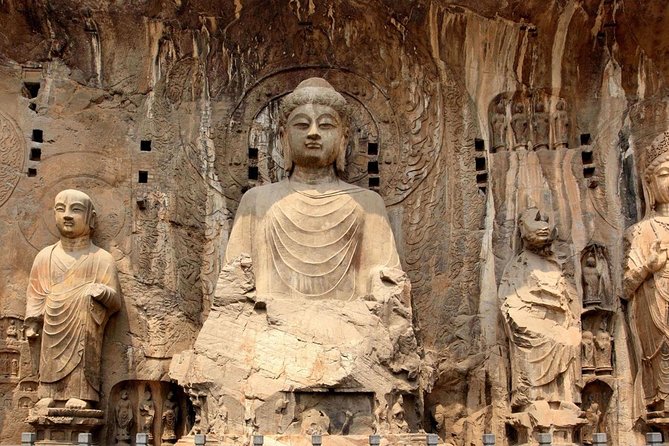
The Yi River’s Role in Shaping the Luoyang Grottoes Longmen Experience
When planning a visit to the magnificent luoyang grottoes longmen, a core geographical feature immediately becomes apparent: the Yi River. This waterway doesn’t merely flow past the grottoes; it fundamentally defines their layout, accessibility, and the distinct perspectives visitors gain from its banks. Understanding the Yi River’s role is crucial for anyone seeking to fully appreciate the scale and historical significance of this UNESCO World Heritage site.
The Longmen Grottoes, located just south of Luoyang city in Henan Province, China, are an extensive collection of Buddhist art carved into the limestone cliffs. These carvings span over 1,000 caves and niches along both sides of the Yi River, stretching for approximately one kilometer. The river acts as a natural separator, creating two distinct viewing platforms and housing areas: the Longmen Grottoes west bank and the Longmen Grottoes east bank. This natural division directly answers the question of where are Longmen Grottoes located in Luoyang – they straddle this significant waterway.
How the Yi River Separates the Longmen Grottoes and Shapes the Visitor Experience
The Yi River serves as the central axis of the Longmen Grottoes, creating a natural canyon through which visitors navigate. This separation is not just geographical; it dictates the visual narrative and the architectural focus of each side. The river’s presence is why Longmen Grottoes are on both sides of the Yi River, a strategic and artistic choice made by ancient artisans and patrons.
From a visitor’s standpoint, the river influences everything from photographic opportunities to the physical exertion required. The bridges connecting the two banks allow for cross-river viewing, which is often considered the most impactful way to grasp the sheer scale of the carvings. Without the river, the site would present a continuous, perhaps overwhelming, stretch of rock, rather than the dynamic interplay between two distinct, yet complementary, halves.
Navigating the Longmen Grottoes: West Bank vs. East Bank Perspectives
The decision of which side of the Yi River has Longmen Grottoes is simple: both do, but they offer vastly different experiences. The west bank is home to the majority of the larger, more famous, and intricately detailed grottoes, while the east bank provides a crucial panoramic viewpoint and houses administrative and historical structures.
Here’s a comparison to highlight the unique perspectives each bank offers:
| Feature | Longmen Grottoes West Bank (Xiangshan Mountain side) | Longmen Grottoes East Bank (Longmen Mountain side) |
|---|---|---|
| Primary Attractions | Dominant collection of large grottoes, including Fengxian Temple (Vairocana Buddha), Guyang Cave, Binyang Caves, and Wanfo Cave. Represents the artistic pinnacle. | Fewer, smaller grottoes (e.g., Kanjing Temple). Primarily features the historical residences (e.g., Bai Garden, residence of Bai Juyi) and administrative buildings. |
| Visual Experience | Focus on close-up details of individual statues and intricate carvings. Immersive experience within the grottoes. Excellent for appreciating sculptural artistry. | Offers panoramic views of the entire west bank. Ideal for photography, capturing the grand scale of the main grottoes from across the Yi River. |
| Historical Context | Predominantly Buddhist religious art from Northern Wei and Tang dynasties. Represents a major period of religious devotion and artistic flourishing. | Houses more secular history, including Tang Dynasty poet Bai Juyi’s tomb and residence, offering insight into literati culture linked to the grottoes. |
| Accessibility & Terrain | Generally more rugged, involving many steps and uphill climbs to access various grottoes. Can be physically demanding. | Easier terrain, more pathways, and less strenuous walking. Provides a more leisurely stroll and a broader perspective. |
| Recommended Visit Flow | Typically visited first to experience the main grottoes up close. | Often visited second, after the west bank, to appreciate the overall vista and explore the historical gardens. |
This distinction illustrates why a comprehensive visit often involves crossing the Yi River Longmen Grottoes via the bridges, ensuring both the intimate details and the grand panorama are experienced.
Understanding the Strategic Location of Longmen Grottoes in Luoyang
The placement of the luoyang grottoes longmen along the Yi River was far from accidental; it was a deliberate choice influenced by geography, defense, and artistic considerations. The Longmen Grottoes location, just 12 kilometers south of the ancient capital of Luoyang, was strategically significant. The two hillsides, Xiangshan (on the west) and Longmen (on the east), flank the river like a “dragon’s gate,” providing both natural protection and a dramatic backdrop for the monumental carvings.
During the Northern Wei and Tang Dynasties, when most of the carvings were created, Luoyang was a political and cultural center. The close proximity allowed emperors, empresses, and wealthy patrons to commission these elaborate works as acts of devotion and displays of power. The river itself facilitated the transport of materials and people, making the site accessible for large-scale construction and ongoing maintenance.
Moreover, the limestone cliffs were ideal for carving. The relatively soft but stable rock allowed for intricate detail and long-term preservation, while the natural shelter provided by the cliffs offered some protection from the elements. The river also served a practical purpose, providing water for the artisans and potentially a symbolic boundary between the earthly realm and the spiritual world depicted in the grottoes.
Planning Your Visit: Leveraging the Yi River for Optimal Exploration
For visitors, understanding the Yi River’s influence is paramount for efficient itinerary planning. Since the Longmen Grottoes east bank and Longmen Grottoes west bank offer different experiences, a well-planned route can maximize your appreciation of the site.
Here’s a practical checklist for visitors to the Yi River Longmen Grottoes:
* Start on the West Bank: Most visitors begin their journey on the west bank, which is generally considered the main attraction due to its concentration of large and famous grottoes, including the iconic Fengxian Temple with its colossal Vairocana Buddha. Allocate at least 2-3 hours for this side.
* Utilize the Bridges: Several bridges span the Yi River, connecting the two banks. These are essential for moving between sections and, crucially, for gaining those panoramic views of the west bank from the east. Don’t rush across them; pause to take photos.
* Allow Time for the East Bank: While less focused on grottoes, the east bank provides a peaceful contrast and vital historical context. The Bai Garden, dedicated to the Tang Dynasty poet Bai Juyi, offers serene landscapes and insights into the life of a prominent figure connected to the area.
* Consider Footwear: Expect considerable walking and many steps, especially on the west bank. Comfortable, sturdy walking shoes are a must.
* Visit During Off-Peak Hours: The luoyang grottoes longmen can get crowded, especially during holidays. Visiting earlier in the morning or later in the afternoon can enhance the experience, offering clearer views of the river and grottoes.
* Hydration and Sun Protection: Depending on the season, the sun can be intense, and water sources might be spread out. Carry water and sun protection (hat, sunscreen).

The river also presents an opportunity for unique perspectives. Boat tours are sometimes available, offering a different vantage point from the water itself, allowing for an appreciation of the grottoes’ scale from below, although this can be subject to seasonal availability and local regulations. For the most part, walking along the banks and crossing the bridges provides the most comprehensive and flexible viewing experience. The interplay between the natural landscape of the Yi River valley and the human endeavor of carving these sacred spaces is a testament to the enduring power of art and faith. Learn more about the history of the Longmen Grottoes on Wikipedia.
The Yi River, therefore, is not just a geographical feature but an integral component of the Longmen Grottoes’ identity. It shapes the physical layout, influences the artistic design, and dictates the visitor’s journey, making it a central element in understanding this remarkable heritage site.
For further insights into heritage site management or historical conservation, our technical team is available to discuss various aspects of cultural preservation and site analysis.
About LyWOW Tours
LyWOW is a locally based travel agency in Luoyang, specializing in private tours for international travelers across Luoyang, Shaolin, Xi’an and Central China. English-speaking guides, flexible itineraries and door-to-door service.
Learn more about us or browse all our tours.