
Blog
Decode Buddha Poses at Luoyang Longmen Grottoes

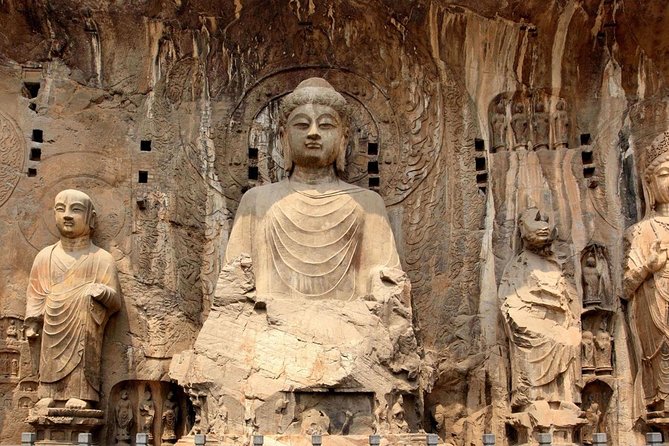
Unlocking the Meanings Behind the Luoyang Longmen Grottoes’ Buddhist Art
For first-time visitors and seasoned art enthusiasts alike, the **luoyang longmen grottoes** present a monumental testament to Buddhist artistry and devotion. These awe-inspiring cave temples, carved into the limestone cliffs along the Yi River, house tens of thousands of statues, each telling a story through its form, gesture, and placement. However, without a guide to their intricate visual language, much of this profound narrative can remain hidden. Understanding the specific meanings behind Buddha hand gestures, seated postures, and attendant figures transforms a simple viewing into a deeply insightful experience of **Longmen Buddhist iconography**. This guide offers a framework to decode these ancient carvings, helping you appreciate the spiritual and historical significance embedded within every figure.
The Language of Gesture: Decoding Buddhist Mudras at Longmen
The most immediate and expressive elements in Buddhist sculpture are often the hand gestures, known as mudras. These are not merely decorative poses; they are a sophisticated system of symbolic communication, each conveying a specific meaning, teaching, or moment in the Buddha’s life. At the **luoyang longmen grottoes**, mastering the identification of these mudras is key to understanding the narrative and spiritual role of each **Longmen Buddha statue**. Misinterpreting a mudra means missing the core message the sculptor intended to convey. For example, mistaking a gesture of fearlessness for one of meditation would fundamentally alter the perceived character and teaching of the depicted Buddha.
Here are some of the most common mudras you will encounter at Longmen and their significance:
| Mudra Name | Hand Gesture Description | Primary Meaning | Practical Interpretation for Visitors |
|---|---|---|---|
| Dhyana Mudra | Both hands rest in the lap, palms facing upwards, right hand typically on top of the left, thumbs touching to form a mystic triangle. | Meditation, Concentration, Enlightenment. | This Buddha is depicted in deep contemplation, often representing the moment of achieving enlightenment. It signifies inner peace and spiritual focus. |
| Bhumisparsha Mudra | Right hand reaches down to touch the earth, palm inwards, fingers extended. Left hand rests in the lap, palm up. | Calling the Earth to Witness, steadfastness. | This gesture depicts the Buddha calling the Earth Goddess to witness his enlightenment, affirming his right to sit under the Bodhi tree despite Mara’s temptations. It signifies unwavering resolve and truth. |
| Abhaya Mudra | Right hand raised to shoulder height, palm facing outwards, fingers extended upwards. Often seen with the left hand resting by the side or in the lap. | Fearlessness, Protection, Benevolence, Peace. | The Buddha offering reassurance and safety, dispelling fear. It communicates a sense of calm and divine protection to the devotee. |
| Varada Mudra | Right hand extended downwards, palm facing outwards, fingers pointing to the ground. | Charity, Compassion, Granting wishes, Giving. | This gesture symbolizes generosity and the bestowal of blessings. It reflects the Buddha’s boundless compassion and willingness to give. |
| Dharmachakra Mudra | Both hands held at chest level, right palm facing outwards, left palm inwards, index finger and thumb of each hand forming a circle, often touching. | Turning the Wheel of Dharma, Teaching. | Represents the Buddha’s first sermon, setting the teachings (Dharma) in motion. It signifies wisdom, instruction, and the dissemination of Buddhist doctrine. |
By recognizing these fundamental mudras, you gain direct access to the spiritual narratives carved into the stone. Each gesture is a deliberate choice by the sculptor, intended to communicate a specific aspect of the Buddha’s teachings or life story.
Seated Postures and Attendant Figures: A Pose-to-Meaning Reference for Longmen Buddhist Iconography
Beyond hand gestures, the overall seated posture of a Buddha and the presence and arrangement of attendant figures are crucial for a complete understanding of **Longmen Buddhist iconography**. These elements collectively form a pose-to-meaning reference that connects hand gestures, seated postures, and attendant figures to Buddhist roles and rituals. Overlooking these details means missing the hierarchical structure, the specific context of the Buddha’s teaching, or the broader cosmic drama being played out in stone. For instance, a casual visitor might see two similar Buddhas but fail to grasp their distinct functions because they ignore the subtle differences in their seated positions or the specific entourage surrounding them.
Here’s a breakdown of how to interpret these critical iconographic elements:
| Element Type | Specific Example / Description | Associated Meaning / Role | Visitor’s Interpretation (What it means if you misinterpret) |
|---|---|---|---|
| Seated Posture: Padmasana (Lotus Position) | Legs crossed, soles of feet pointing upwards, often depicting the Buddha in deep meditation. | Enlightenment, Meditation, Spiritual Purity, Stability. | Misinterpreting this as a casual pose diminishes the Buddha’s attainment of ultimate wisdom and spiritual discipline. |
| Seated Posture: Vajrasana (Adamantine Position) | Similar to Padmasana, but with the right leg crossed over the left. Often associated with unshakeable resolve. | Unwavering determination, immovable enlightenment. | Failing to distinguish it from Padmasana means missing the nuance of the Buddha’s unshakeable commitment to his path. |
| Seated Posture: Lalitasana (Royal Ease Position) | One leg bent and resting on the seat, the other leg casually hanging down, often with an arm resting on the raised knee. | Relaxation, Royal power, Compassionate engagement with the world. Often seen with Bodhisattvas. | If seen on a Buddha, it might suggest a more accessible, less austere aspect, rather than formal teaching or meditation. Misinterpreting this as purely secular leads to a loss of spiritual context. |
| Attendant Figure: Bodhisattvas | Often depicted with elaborate jewelry, crowns, and graceful postures, typically standing to the sides of the central Buddha. | Enlightened beings who delay their own nirvana to help others achieve enlightenment; embody compassion and wisdom. | Mistaking them for Buddhas (who are typically simpler in attire) would confuse their role as compassionate guides on the path to enlightenment. They are not yet fully enlightened Buddhas. |
| Attendant Figure: Arhats / Lohans | Often depicted as older, ascetic monks with distinct, sometimes exaggerated, facial features and simple robes. | Disciples of the Buddha who have attained personal enlightenment; represent monastic discipline and wisdom. | Confusing them with Bodhisattvas or Buddhas would misinterpret their specific role as enlightened practitioners who have mastered the teachings. |
| Attendant Figure: Devas / Celestial Beings | Often depicted as flying figures, offering flowers, or holding musical instruments. | Divine beings from various heavens, often praising or offering homage to the Buddha. | Overlooking their presence means missing the cosmic scope of the Buddha’s influence and the universal reverence for his teachings. |
When examining the **Longmen Buddha statues**, always consider the entire composition. The posture of the central figure, combined with the mudra and the surrounding retinue, creates a complete iconographic statement. This holistic approach is essential for truly appreciating the intricate layers of meaning within this remarkable **Chinese cave temple art**.
Contextualizing Longmen Buddha Statues: Understanding Chinese Cave Temple Art
The **luoyang longmen grottoes** are more than just a collection of individual statues; they represent a significant chapter in the history of **Chinese cave temple art**. Understanding their historical and cultural context is pivotal for a complete appreciation of the **Longmen Buddha statues**. The style, scale, and specific iconography found here were deeply influenced by various factors, including imperial patronage, evolving Buddhist doctrines, and local artistic traditions. For instance, the majestic Vairocana Buddha at Fengxian Temple, with its distinctly Chinese features, reflects the Tang dynasty’s imperial grandeur and the syncretic nature of Buddhism in China.
It is a common error to view these statues in isolation, without considering the broader artistic and religious trends that shaped them. Ignoring the imperial backing, for example, means missing why certain caves are so monumental and exquisitely detailed, reflecting the aspiration of powerful patrons.
Here are some common misinterpretations of Longmen iconography and how to avoid them:
* **Assuming uniformity:** Not all Buddhas or Bodhisattvas at Longmen are the same. Their styles and attributes evolved over centuries (from Northern Wei to Tang dynasties), reflecting different artistic periods and theological emphases. Pay attention to clothing, facial features, and overall stylistic elements.
* **Ignoring the ensemble:** While individual statues are impressive, the full narrative often resides in the entire cave’s composition. The central Buddha, flanking Bodhisattvas, guardian figures, and even the wall carvings all contribute to a unified theme. Understanding the role of each figure in the larger scene is crucial.
* **Focusing solely on aesthetics:** While beautiful, the primary intent of this art was religious and didactic. Viewing it purely as secular art misses its spiritual purpose and the profound messages it was designed to convey to devotees.
* **Neglecting historical context:** The political, social, and economic conditions of the time directly influenced the scale and content of the carvings. For example, periods of imperial stability often saw larger, more ambitious projects.
* **Overlooking local adaptations:** While Indian Buddhist traditions formed the foundation, Chinese artists and patrons adapted iconography to local tastes and beliefs, resulting in unique characteristics not found elsewhere. Recognizing these localizations reveals the dynamic nature of Buddhist art in China.
A Visitor’s Checklist for Engaging with Longmen Buddhist Art
To maximize your understanding and appreciation of the **luoyang longmen grottoes**, consider this practical checklist:
1. **Observe the Overall Composition:** Before focusing on details, take in the entire cave or niche. What is the central figure? How are the attendant figures arranged around it? What is the general scale and mood?
2. **Identify the Main Figure:** Is it a Buddha, a Bodhisattva, or another deity? Look for distinguishing features like simple robes (Buddha) vs. elaborate jewelry (Bodhisattva).
3. **Decode the Mudras:** Systematically check the hand gestures of the main figure and any significant attendants. Refer to the mudra guide to understand their specific meanings. This is often the quickest way to grasp the figure’s core message.
4. **Note the Posture:** Is the figure seated in deep meditation (Padmasana), displaying royal ease (Lalitasana), or standing? Postures convey status, state of being, or specific actions.
5. **Examine Attendant Figures:** Identify the types of figures surrounding the central deity. Are they Bodhisattvas, Arhats, guardian kings, or celestial beings? Their presence and number add layers of meaning regarding hierarchy and spiritual support.
6. **Consider Facial Expressions:** While weathering has impacted many faces, subtle expressions can still convey serenity, compassion, or determination.
7. **Look for Inscriptions (if legible):** Some carvings include inscriptions that name the patron, the date, or the dedication, offering direct historical insights.
8. **Reflect on the Narrative:** Based on the mudras, postures, and attendant figures, what story or teaching is being conveyed? How does this particular carving fit into the broader Buddhist pantheon or historical context of the grottoes?
By systematically applying these observational techniques, you can move beyond simply admiring the artistry to genuinely understanding the profound spiritual and cultural narratives etched into the stone walls of the **luoyang longmen grottoes**. This deeper engagement enriches your visit and connects you more intimately with this extraordinary heritage.
For deeper insights into specific art historical contexts or conservation practices, consult with specialized experts.
About LyWOW Tours
LyWOW is a locally based travel agency in Luoyang, specializing in private tours for international travelers across Luoyang, Shaolin, Xi’an and Central China. English-speaking guides, flexible itineraries and door-to-door service.
Learn more about us or browse all our tours.