 By
By Tracking Luoyang City From Imperial Capital to Modern Hub
Most people know Luoyang as one of China’s ancient capitals. Fewer understand how that legacy shaped the current city. If you are planning a business trip, researching industrial clusters, or simply trying to orient yourself before visiting, the historical narrative can obscure the practical reality on the ground. The old city walls do not define the tax districts. The ancient temples do not map to the modern logistics routes. To navigate luoyang city today, you need to separate the imperial past from the prefectural present.
This guide walks through that transition. We will trace how a ceremonial center became a manufacturing base, how the urban core shifted, and what that means for anyone trying to understand the city now.
Timeline: How Luoyang Shed Its Imperial Skin
The shift from imperial capital to modern city was not a single event. It happened in stages, often driven by infrastructure decisions rather than political decrees. The table below breaks the transition into manageable periods. Each period shows the dominant function of luoyang city at that time, the key urban change, and the practical legacy you can still see today.
| Period | Dominant Function | Key Urban Change | Legacy Visible Today |
|---|---|---|---|
| Pre-1949 | Ceremonial and administrative center | Imperial palace sites and temples anchor the old core | Longmen Grottoes, White Horse Temple, old city walls |
| 1950s–1960s | Early socialist industrial base | State-owned factories built along the Jianxi corridor | Heavy machinery plants, tractor factories, worker housing blocks |
| 1970s–1980s | Regional manufacturing hub | Expansion of bearing, glass, and refractory industries | Industrial parks west of the old city |
| 1990s–2000s | Prefecture-level administrative center | New municipal government district, commercial high-rises | Luonan New District, modern retail centers |
| 2010s–present | Integrated industrial and logistics node | High-speed rail station, new development zones, urban renewal | Luoyang Longmen Station, Yibin District, tech parks |
This timeline matters because it explains the city’s spatial logic. The old imperial core sits in the east. The industrial base sits in the west. The new administrative and commercial centers sit in the south. If you are scheduling meetings across luoyang city, you cannot assume everything clusters around one central point. The city is polycentric by accident of history, not by design.
How to Navigate the Modern Urban Districts
Understanding the district layout requires abandoning the mental map of a walled capital. Today’s luoyang city spans several distinct zones, each with a different economic logic. Here is a practical breakdown for visitors and researchers.
Step 1: Identify the Functional Zone Before Booking Anything
The most common mistake is booking a hotel near the ancient sites and then discovering that all your business meetings are 20 kilometers away in a development zone. Check the address of your primary destination first. Then choose accommodation accordingly.
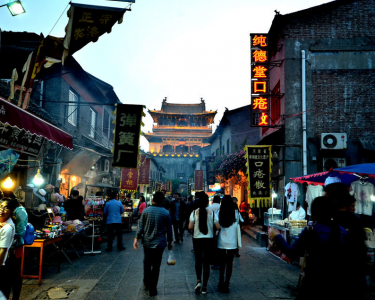
Old City Area (Laocheng and Chanhe districts): This is where the imperial history lives. Temples, museums, traditional markets. Good for cultural orientation. Poor for industrial meetings. Traffic is slow, parking is scarce.
Jianxi District: The socialist-era industrial corridor. Many state-owned enterprises and their successor companies still operate here. If you are visiting a bearing manufacturer or a heavy equipment plant, you will likely end up in Jianxi. The roads are wide, the buildings are functional, and the dining options skew toward hearty local fare rather than international chains.
Luonan New District: The modern administrative and commercial center. Government offices, newer hotels, shopping malls, high-rise residential towers. This is the default choice for business travelers who need reliable infrastructure and do not want to commute far for dinner.
Yibin District and Development Zones: The newest industrial and logistics parks. High-tech manufacturing, warehousing, and export-oriented facilities cluster here. If your supplier is a newer company or a foreign-invested enterprise, check this zone first.
Step 2: Use the Rail Station as Your Anchor
Luoyang Longmen Station sits on the high-speed rail line connecting Xi’an and Zhengzhou. That position matters. It means you can day-trip from either city. But it also means the station is south of the old urban core. Do not assume the train station is central. It is not. Budget 30–45 minutes by car to reach Jianxi or the old city from the station, depending on traffic.
Step 3: Check the Industrial Park Boundaries, Not the City Name
Many companies list “Luoyang” as their address but operate in a development zone that is administratively separate from the urban districts. Before you commit to a site visit, confirm the specific zone. Ask for the administrative district name, not just the postal address. This avoids the classic mistake of assuming a factory is near the city center when it is actually 25 kilometers south in Yibin.
Common Mistakes When Researching Luoyang
International researchers and first-time visitors make predictable errors when connecting historic Luoyang with the modern city. Here are the most frequent ones, along with the correction.
- Mistake: Assuming the ancient capital and the modern city are the same place. They overlap, but the functional center has moved repeatedly. The Tang-era eastern capital is not the same as the Song-era western capital, and neither corresponds exactly to today’s downtown. Treat the historic sites as points of interest, not as the city’s operational core.
- Mistake: Using a single map scale for all districts. The old city is walkable. Jianxi is not. Luonan is spread out. Yibin requires a car. Check distances on a map with traffic data, not on a tourist schematic.
- Mistake: Overlooking the industrial legacy when scheduling. Many suppliers in luoyang city operate on schedules tied to state-owned enterprise culture. Lunch breaks can be long. Some offices close early on Fridays. Confirm meeting times explicitly rather than assuming standard business hours.
- Mistake: Ignoring the north-south rail corridor. Luoyang’s modern relevance comes from its position on the Longhai rail line and the high-speed network. That corridor shaped the industrial base more than the imperial river ports did. If you are studying logistics, focus on the rail connections, not the ancient canals.
Decision Checklist for Business Visitors
Before you finalize an itinerary for luoyang city, run through this checklist. It forces you to separate the historical narrative from the practical logistics.
- Have I identified the administrative district for every meeting location?
- Is my hotel in the same zone as my primary business destination?
- Have I budgeted realistic travel time between the rail station and my first meeting?
- Do I have the factory’s specific development zone address, not just “Luoyang”?
- Have I confirmed operating hours with each supplier directly?
- Do I need a car and driver, or will ride-hailing suffice for my route?
- Have I separated cultural sightseeing days from industrial meeting days?
This checklist prevents the most common itinerary failure: packing a morning meeting in Jianxi, an afternoon visit to the Longmen Grottoes, and an evening dinner in Luonan into one day. That schedule works only if you enjoy spending half your day in traffic.
Connecting the Industrial Base to the Imperial Past
The industrial base did not emerge randomly. It grew where the rail lines and the old administrative networks intersected. The state planners of the 1950s chose Luoyang for tractor and bearing plants because the city already sat on a major east-west rail corridor and had a large available labor pool. The imperial legacy provided the name recognition and the administrative status. The rail line provided the economic logic.
That combination still shapes luoyang city today. The bearing factories trace their lineage to the First Tractor Works and the Luoyang Bearing Factory, both built with Soviet assistance in the 1950s. The glass industry grew from the Luoyang Glass Factory, established in the same period. The refractory and abrasives sectors followed. None of these industries owe their existence to the Tang dynasty. But they all benefit from the city’s historical status as a known administrative center, which made it easier to attract state investment.
For a modern business visitor, this means the industrial suppliers you meet are often second- or third-generation operations rooted in those state-owned plants. The technical knowledge runs deep. The equipment may be older than you expect. The management culture may blend market-driven practices with state-enterprise habits. Understanding that lineage helps you interpret what you see on a factory floor.
What Has Not Changed
Some things persist across the centuries. Luoyang city remains a transportation node. The ancient Silk Road routes and the Grand Canal passed through or near it. Today’s high-speed rail and highway networks do the same. The city’s identity as a crossroads is not new. What changed is the mode: from river barges and camel caravans to container trains and electric vehicles.
The administrative status also persists. Luoyang has been a seat of government for over a millennium, with interruptions. Today it is a prefecture-level city under Henan Province. That status gives it a certain weight in regional planning and infrastructure investment. It is not a provincial capital, but it is not a backwater either. The high-speed rail station, the new development zones, and the ongoing urban renewal projects all reflect that mid-tier administrative importance.
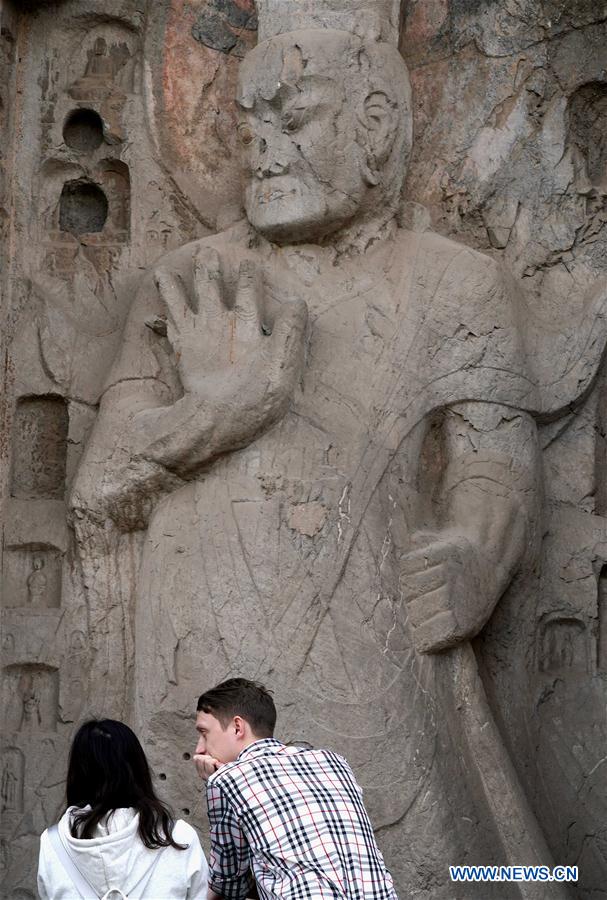
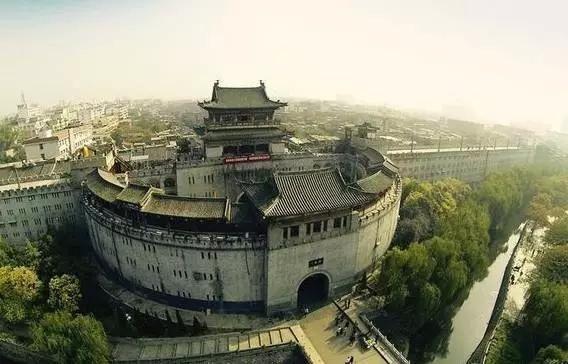
The cultural weight also persists. The Longmen Grottoes, the White Horse Temple, and the old city walls still draw visitors. But they now function as tourism assets rather than as centers of power. The transition from imperial capital to modern city is complete in that sense: the monuments are curated, not inhabited by rulers. The power has moved to the development zones, the municipal offices, and the industrial parks.
Practical Implications for Researchers and Visitors
If you are writing a report, preparing a market entry plan, or simply trying to understand luoyang city before you arrive, keep these implications in mind.
First, do not anchor your mental map to the ancient sites. Anchor it to the rail station and the development zones. Those are the functional centers of the modern city.
Second, treat the industrial base as a distinct layer of the city’s history. It is not a footnote to the imperial past. It is the primary economic engine of the present.
Third, expect spatial fragmentation. The city does not have a single downtown that serves all functions. It has multiple nodes, each with its own logic. Plan your movements accordingly.
Fourth, use the district names, not the city name, when communicating with local contacts. Saying “I am in Luoyang” is about as precise as saying “I am in Texas.” It tells people almost nothing useful.
Finally, respect the depth of the industrial knowledge here. The bearing engineers, the glass technicians, the refractory specialists — they are not newcomers to their fields. Many come from families that have worked in these industries for two or three generations. That continuity is a real asset when you need technical depth.
For a deeper look at how regional industrial clusters develop, the industrial clustering concept provides useful background. The pattern in Luoyang follows the classic model: a state-led initial investment, followed by supplier networks, then by gradual marketization.
If you are planning a visit or a research project focused on luoyang city, start with the district map, not the history book. The history will enrich your understanding once you arrive. The district map will get you to your meetings on time. If you need help identifying which industrial zone matches your sector, send us your requirements and we will point you to the right district before you book your travel.