Luoyang City, China Today: A Modern City with an Ancient Heritage
Anyone researching Luoyang city, China soon discovers that the city has two closely connected identities: a former imperial capital with an extraordinary cultural legacy and a lively modern city with universities, residential districts, public transport, and everyday urban life. Understanding how these identities coexist is helpful when planning a visit. This article explains Luoyang’s historical importance, present-day character, and the practical differences between its main attractions and urban areas.
How Luoyang’s Ancient Capital Legacy Still Shapes Its Reputation
Luoyang served as capital or secondary capital under several Chinese dynasties, a fact that dominates most introductory descriptions of the city. Its most celebrated landmark, the Longmen Grottoes, is a UNESCO World Heritage Site carved into limestone cliffs along the Yi River, and it remains the single most recognizable image tied to the city internationally. This historical importance is real and well documented.
What does need correcting is the assumption that heritage status defines the entire city today. Many first-time visitors imagine Luoyang as a preserved capital centered entirely on temples, tombs, and museums. In practice, the historical sites occupy specific areas and are surrounded by a much larger, modern urban area with its own neighborhoods, universities, parks, restaurants, and public transport.
Luoyang City Profile Today: Modern Urban Life Alongside Ancient Heritage
This is an important part of understanding Luoyang before a visit. The city is more than a collection of historical attractions, and its different districts offer very different experiences.
| Aspect | Ancient-Capital Reputation | Present-Day Municipal Reality |
|---|---|---|
| Primary identity | Former imperial capital and center of dynastic history | Prefecture-level city in Henan province with modern residential, educational, and cultural districts |
| Core landmarks | Longmen Grottoes, ancient tombs, historic temples, and old capital sites | Modern neighborhoods, universities, museums, parks, shopping areas, and transit lines |
| Visitor experience | Historical sightseeing, museum visits, and guided cultural tours | Mixed urban travel with local restaurants, public transport, contemporary city life, and heritage tourism |
| Population character | Often imagined as a static, historically framed community | A lively urban population engaged in ordinary contemporary city life |
The practical takeaway is that Luoyang offers both concentrated historical attractions and the atmosphere of a functioning modern Chinese city. Visitors who allow time for both will gain a fuller understanding of the destination.
Common Mistakes First-Time Visitors Make About Luoyang
Before booking a trip, it helps to know where first-time travel planning often goes wrong.
- Assuming Luoyang is a small heritage town. It is a full prefecture-level city with multiple districts, not a single historic quarter.
- Confusing Luoyang with Xi’an. Both were historical capitals in China, but they are in different provinces and offer distinct cultural and urban experiences.
- Focusing only on the most famous landmark. The Longmen Grottoes are essential, but Luoyang also offers museums, temples, ancient tombs, parks, local food, and seasonal cultural experiences.
- Treating all listed attractions as walkable from a single point. Sites like the Longmen Grottoes are outside the central urban core and require dedicated travel time.
- Assuming every attraction can be visited in one short day. Luoyang’s major sights are spread across different areas, so a thoughtful itinerary makes the trip more comfortable.
How to Plan a Luoyang Trip: A Step-by-Step Checklist
Whether you are visiting for the first time or returning to explore more deeply, the following sequence helps create a balanced itinerary.
- Start with Luoyang’s location in Henan province. Understanding its position in central China helps you plan travel to and from nearby destinations such as Zhengzhou, Shaolin, and Xi’an.
- Separate heritage areas from central urban districts. Map out where the historical sites are located and allow enough time to travel between them.
- Check transport connections, not just straight-line distance. Rail stations, metro lines, buses, and road conditions can make a significant difference to the amount of sightseeing possible each day.
- Balance major attractions with local experiences. Alongside the Longmen Grottoes and ancient capital sites, consider museums, parks, temples, food streets, and evening activities.
- Confirm current information before finalizing plans. Opening hours, transport routes, ticket arrangements, and attraction policies can change, so check the latest details before you travel.
This checklist works well for first-time visitors building a general itinerary. Travelers with limited time may prefer a private tour that groups nearby attractions together and reduces unnecessary travel across the city.
Frequently Asked Questions About Luoyang City, China
Is Luoyang still an important city in modern China, or mainly a historical site?
Both. Luoyang is an active prefecture-level city with its own urban population and contemporary city life, while also hosting some of China’s most significant ancient-capital heritage sites. Treating it as only a museum city misses the larger, functioning urban area around those sites.
How does Luoyang differ from other former Chinese capitals?
Each former capital city has a different balance of heritage and modern development. Luoyang’s identity leans heavily on its dynastic history, partly because of the international recognition of sites like the Longmen Grottoes. At the same time, the surrounding city has continued to develop as a contemporary urban center in Henan.
What’s the biggest limitation of relying on general travel guides?
General travel guides often highlight famous attractions without explaining how far they are from one another or how long visitors need to explore them. For a smoother trip, supplement sightseeing information with current details about transport, opening hours, seasonal conditions, and local neighborhoods.
Should I expect Luoyang to feel like a preserved historical town?
No — this is one of the most common misconceptions. Heritage sites are concentrated in specific areas, while the broader city operates like any other contemporary Chinese urban center, with modern housing, transit, restaurants, shopping, and everyday community life.
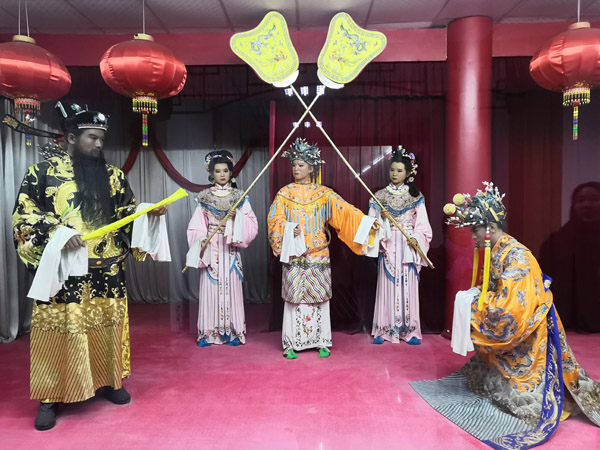
Luoyang rewards visitors who look beyond the most familiar historical images and make time for both its ancient sites and modern city life. With the right itinerary, you can explore world-famous Buddhist art, discover the story of China’s ancient capitals, and enjoy the relaxed rhythm of a contemporary Henan city.
About Luoyang Joy Tours
Luoyang Joy Tours is a locally based travel agency in Luoyang, specializing in private tours for international travelers across Luoyang, Shaolin, Xi’an and Central China. English-speaking guides, flexible itineraries and door-to-door service.
Learn more about us or browse all our tours.