
Blog
What the Stone Horses at White Horse Temple Symbolize

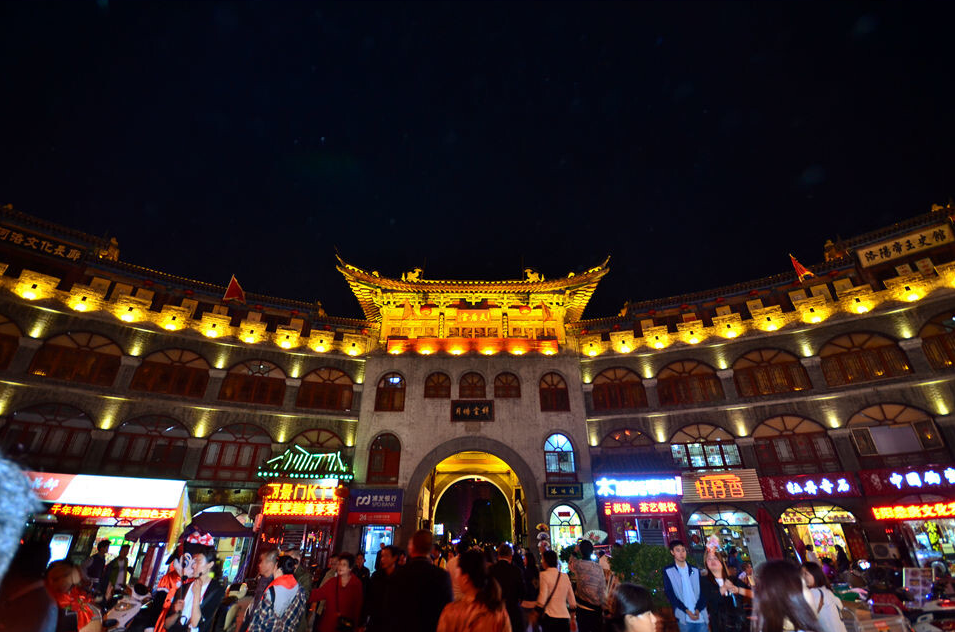
What Do the Stone Horses at White Horse Temple Symbolize?
Visitors to China’s first Buddhist temple are often captivated by the serene stone horses flanking its entrance. These are not mere decorations. The stone sculptures at the White Horse Temple are layered historical documents, embodying the very origin story of Buddhism in China, centuries of imperial endorsement, and the enduring legacy of the site itself. Understanding their symbolism transforms a simple visit into a profound appreciation of a pivotal moment in cultural history.
The significance of these horses goes far beyond their physical form. They represent a journey—not just the geographical trek from India to the Han Dynasty capital, but the journey of a philosophy that would reshape a nation. The original legend of the White Horse Temple is inextricably linked to two white horses, and every subsequent sculpture placed here is a deliberate echo of that foundational narrative.
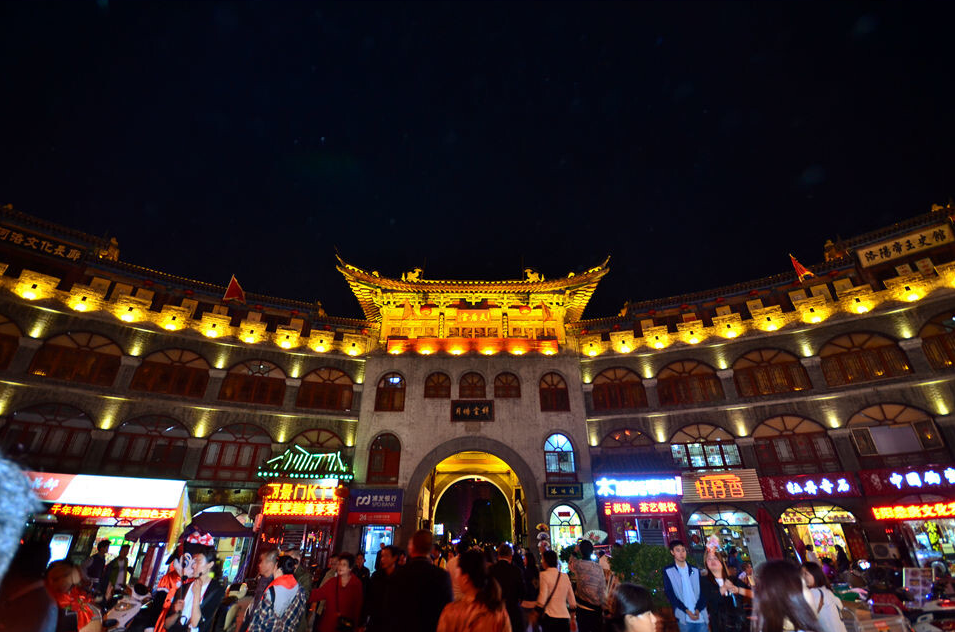
The Founding Legend: Two Monks and the Imperial Dream
To grasp the symbolism of the stone horses, we must first return to the origin story of the temple itself. The narrative begins not with stone, but with a dream. According to historical records like the Book of the Later Han, Emperor Ming of the Eastern Han Dynasty (28–75 CE) had a vision of a golden deity flying over his palace.
His advisors interpreted this as a sage from the west known as the Buddha. Intrigued, the emperor dispatched an envoy to seek out this new teaching. The delegation traveled west and eventually returned from what is now Afghanistan, not empty-handed. They were accompanied by two eminent Indian Buddhist monks, Kasyapa Matanga and Dharmaratna. Crucially, they also brought with them sacred texts and relics, carried all the way to the capital, Luoyang, on the backs of two white horses.
Emperor Ming was so pleased that he ordered the construction of a monastery to house the monks and the scriptures. To honor the equine pioneers that completed this arduous journey, he named it the White Horse Temple (Baima Si). The horses, therefore, are the primary symbols of the successful transmission of Buddhism from its homeland to China. They represent:
- Endurance and Perseverance: The long, difficult journey across treacherous terrain.
- Cultural Transmission: The role of being a vessel, carrying profound knowledge and faith to a new land.
- Imperial Sanction: The successful fulfillment of the emperor’s quest, legitimizing the new faith from the very highest level of society.
Without this foundational story, the statues are just sculptures. With it, they become the first chapter in the long and complex history of Chinese Buddhism.
From Legend to Stone: A Timeline of Symbolism
The stone horses you see today are not from the Han Dynasty. They are later additions, yet their placement and style are deliberate choices that connect back to the founding legend while adding new layers of meaning. The imagery of the horse acts as a symbolic thread, linking the temple’s origin, its imperial support across dynasties, and the physical restoration of the site over centuries.
Here is a breakdown of how the symbolism evolved and solidified through key historical periods:
| Symbolic Layer | Connection to the Horses | Practical Implication for the Temple |
|---|---|---|
| Founding Legend (Han Dynasty) | Represents the original two white horses that carried the first Buddhist sutras and monks to China. They are the physical symbol of the faith’s arrival. | Establishes the temple’s name and core identity. The horse becomes the primary icon associated with the site, signifying it as the cradle of Chinese Buddhism. |
| Imperial Patronage (Song/Ming Dynasties) | Later emperors commissioned new stone horses to replace earlier, likely decayed, versions. These new sculptures were not just replacements but acts of political and religious endorsement. | Placing these durable, high-quality stone horses at the main gate was a public declaration of an emperor’s support for Buddhism, reinforcing the temple’s national importance and securing its funding and protection. |
| Site Restoration (Various Dynasties) | Each time the temple was damaged and rebuilt, the act of restoring or installing new horses served as a reaffirmation of its original purpose and a tribute to Emperor Ming’s vision. | The horses act as historical markers. The stylistic differences between the Song and Ming dynasty horses allow visitors to physically see the passage of time and the continued reverence for the the introduction of Buddhism to China. |
A Visitor’s Guide to Reading the Stone Horses
When you visit the White Horse Temple, you are not just looking at one pair of identical statues. There are, in fact, two prominent pairs that are often photographed, and they are from different eras. Being able to distinguish them adds a rich layer to your experience, allowing you to see history written in stone.
The most famous pair, located opposite the main gate, are not even horses. They are qilin, mythical creatures, but are often conflated with the temple’s namesakes. The true stone horses are located before the first hall. Knowing what to look for is key.
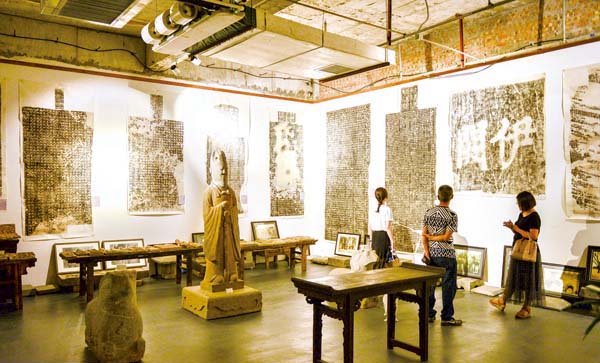
Checklist for Identifying the Temple’s Key Sculptures
Use this simple checklist to identify the different statues and understand their context. It helps avoid common visitor mistakes and focuses your attention on the most historically significant details.
- [ ] Locate the Main Gate (South Gate): Start your observation from the primary entrance.
- [ ] Identify the Song Dynasty Horses: Look for the pair of horses located on the east and west sides of the path leading from the gate to the first hall (Hall of Heavenly Kings).
- Notice their style: They appear more docile, with gentle expressions and a somewhat stocky build, characteristic of Song Dynasty aesthetics.
- Observe their condition: Note the significant weathering and smooth, rounded features from centuries of exposure. These are artifacts from around the 12th century.
- [ ] Find the Ming Dynasty Horses: Proceed further towards the tomb mounds of the two Indian monks. The horses standing before these tombs are from the Ming Dynasty (14th-17th centuries).
- Compare their style: These horses are more dynamic and realistic. They have more defined musculature, detailed manes, and a more spirited posture, reflecting Ming Dynasty sculpture techniques.
- Assess their purpose: Their placement as tomb guardians (shendao statues) gives them a different symbolic function—protection and reverence for the monks’ final resting place.
- [ ] Acknowledge the Mythical Creatures: The large, majestic equine statues directly across from the entrance are often mistaken for the “white horses.” Recognize them as qilin, placed for auspicious protection, likely from a later period.
By following these steps, you can trace a path through nearly 500 years of artistic and religious history, all through the seemingly simple sculptures of horses at this foundational site.
The stone horses of the White Horse Temple are therefore a silent narrative. They tell a story of a dream, a perilous journey, imperial power, and the enduring strength of faith. They are not just statues of the horses that gave the temple its name; they are symbols of the very act of cultural and spiritual transmission that defines this historic landmark.
For organizations and researchers involved in cultural heritage preservation and analysis, understanding these layers of symbolism is critical. The materials, artistic styles, and placement of such artifacts provide invaluable data about historical patronage and belief systems.
For more detailed analysis of historical artifacts or consultation on cultural heritage projects, please contact our technical team to discuss your requirements.
