 By
By Which luo yang Sites Need Advance Tickets Before You Travel
Do you need to reserve every attraction before arriving, or can you buy tickets as you go? That is the practical question behind a final luo yang itinerary. The short answer is no: not every site requires advance booking. However, major heritage attractions, free public museums with visitor controls, and seasonal flower gardens can become difficult to enter without a reservation or a flexible backup plan.
The safest approach is to separate attractions into three groups: places where advance booking is strongly recommended, places where same-day purchase may work if inventory remains, and open public areas that do not need an entry ticket. Ticket policies, opening hours, passport procedures, and daily availability can change, so verify the current rule through the attraction’s official booking channel before departure.
Use ticket type and visitor controls to prioritize your luo yang bookings
A practical luo yang booking plan should begin with sites that combine limited visitor capacity, timed access, or high seasonal demand. These are the locations where waiting until arrival creates the greatest risk. A paid ticket alone does not always mean advance purchase is essential; the real issue is whether the attraction sells out, operates with timed slots, or requires identity details during booking.
| Site or attraction type | Best planning decision | Why this is the sensible choice | When it may not apply |
|---|---|---|---|
| Longmen Grottoes | Reserve in advance when visiting on a weekend, public holiday, or peak travel date. | This major heritage site draws concentrated demand, and remaining same-day ticket inventory can be uncertain. | A same-day purchase may still be possible on a quieter date if official inventory is available. |
| Luoyang Museum | Check reservation requirements before setting your museum day. | Free museums often use reservation systems to manage visitor flow rather than relying only on paid admission. | Walk-in entry can be possible when the museum has not reached its visitor limit. |
| White Horse Temple | Keep it in the flexible part of the itinerary, but check current ticket rules before travel. | It is a widely visited cultural site, yet the practical booking pressure is usually lower than at the largest restricted-capacity attractions. | Advance purchase becomes more useful during major holidays or when your schedule has no room for delay. |
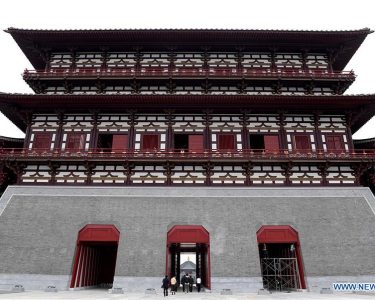
| Yingtian Gate and Sui-Tang heritage attractions | Confirm whether your chosen building, exhibition, or night visit uses a separate ticket. | Nearby heritage venues may have different admission systems, even when they appear to be part of one sightseeing area. | Outdoor public spaces around these sites may be accessible without the same ticket. |
| Peony gardens during flowering season | Book early once your garden and date are fixed. | Seasonal demand is concentrated into a short viewing period, so crowds and entry queues can rise quickly. | Outside the main flowering period, the garden may be easier to enter but the horticultural display will not be the same. |
| Old Town streets and public riverside areas | Do not reserve entry simply to walk around. | Public streets, food areas, and exterior views are generally not ticketed attractions. | A specific tower, gate, exhibition, performance, or enclosed attraction inside the district may charge separately. |
The main lesson for luo yang visitors is simple: reserve the attractions that would disrupt the whole day if unavailable, then leave lower-risk cultural walks and neighborhood exploration flexible. This protects the itinerary without forcing you to pre-book every hour.
Practical boundary guide explaining which major sites require reservations, when demand peaks, and where walk-in entry is realistic
There is an important boundary between “reserve ahead” and “buy if available.” Many travelers assume that every famous attraction needs a confirmed ticket before arrival. That can lead to unnecessary bookings, rigid routing, and confusion over duplicate ticket platforms. Instead, use the following guide for luo yang sites.
| Planning category | Major sites to place here | Demand pattern to expect | Walk-in reality | Action to take |
|---|---|---|---|---|
| Reserve before travel if the date matters | Longmen Grottoes, Luoyang Museum, seasonal peony gardens | Demand rises on weekends, national holidays, school breaks, and the peony-viewing period. | Walk-in admission can be unavailable or involve a long wait if daily capacity or ticket inventory is exhausted. | Use the official channel and keep the booking confirmation, passport details, and visit date together. |
| Check the official channel the night before | White Horse Temple, Yingtian Gate, Mingtang and Tiantang-related attractions | Demand changes with weather, weekend traffic, holiday programming, and evening events. | Same-day purchasing may be realistic on ordinary dates, but it is not a dependable plan for a fixed schedule. | Check current availability before leaving your hotel and choose an alternative stop if the preferred slot is unavailable. |
| Usually suitable for flexible walking | Old Town lanes, exterior city views, public commercial streets, riverside areas | These areas can be busy in the evening, but crowding does not usually equal sold-out entry. | Walk-in access is the normal expectation for the public area itself. | Reserve only when adding a specific paid building, ticketed show, or enclosed exhibit. |
| Separate day-trip decision | Shaolin Temple in Dengfeng | Demand can be high because it is a famous regional destination and requires transport planning as well as admission planning. | Do not treat it as a casual stop between central city attractions. | Decide on transport, travel time, ticket process, and return plan before placing it on a luo yang day. |
The conclusion is not that every popular site has a permanent reservation rule. The conclusion is that a visitor should reserve when the cost of being turned away is high. This applies especially when you have only one day for Longmen Grottoes, when a museum is central to your plan, or when a seasonal garden is the reason for the trip. It does not apply in the same way to wandering through the Old Town, where flexibility is part of the experience.
Build a ticket plan that works with your arrival time and passport details
A luo yang itinerary can fail for small administrative reasons rather than because tickets are genuinely unavailable. Some domestic booking systems are designed around local mobile payment and identity verification. Independent international visitors should therefore avoid leaving all reservations until the last minute, particularly if the official platform requests identification information or uses a local phone verification process.
- List each attraction by date. Put fixed-date priorities first, such as Longmen Grottoes, a museum visit, or a seasonal garden.
- Check the official attraction channel. Confirm whether the site offers advance tickets, timed entry, free reservations, or on-site purchase.
- Match the booking identity to your travel document. Use the passport name and passport number consistently. Do not assume a nickname or different spelling will be accepted at entry.
- Save proof in more than one format. Keep the confirmation page available on your phone and save a screenshot in case mobile signal is weak near the entrance.
- Plan one nearby backup. If a reserved site becomes unavailable, switch to a walkable public district, another museum, or an exterior heritage route rather than losing the day.
- Recheck the day before. Verify opening status, entry gate instructions, and any temporary visitor notice before you travel across the city.
This process suits visitors finalizing a luo yang trip shortly before departure. It may be more than necessary for a quiet midweek visit with a completely open schedule, but it is valuable when rail arrivals, hotel check-in, guides, or onward travel leave little room for changes.
Avoid the ticket mistakes that cause the most itinerary disruption
Most ticket problems are preventable. They happen when travelers treat a site name, a district name, and a specific ticketed building as though they are the same product. They are not always interchangeable in luo yang.
- Booking the district instead of the attraction. A public neighborhood may be open, while a gate tower or exhibition inside it requires separate admission. Check the exact attraction name before paying.
- Assuming a free museum needs no reservation. Free entry can still be controlled through timed booking or daily visitor limits. Confirm the access method, not only the ticket price.
- Using a domestic app without a fallback. If the payment or identity process cannot be completed, contact your hotel, a local travel service, or the attraction’s official visitor contact point rather than repeatedly attempting an unverified platform.
- Leaving Longmen Grottoes to the final afternoon. This creates unnecessary risk if tickets, transport, weather, or entry queues disrupt the visit. Use an earlier portion of the day when it is a key priority.
- Confusing city attractions with the Dengfeng day trip. Shaolin Temple needs its own transport and timing decision. It should not be inserted into a central luo yang schedule without checking the full route.
- Ignoring seasonal demand. Peony-related travel can change hotel, transport, and attraction pressure at the same time. A normal walk-in strategy may not hold during the busiest flower-viewing dates.
Answer common luo yang advance-ticket questions before departure
Do Longmen Grottoes require advance tickets?
Advance tickets are the prudent choice when the visit is essential to your trip, especially on busy dates. Same-day availability may exist, but it should be treated as an opportunity rather than a guarantee. If your schedule is flexible and official inventory remains open, walk-in or same-day purchase can be reasonable.
Can I walk into Luoyang Museum without a reservation?
Do not assume that you can. Visitor-management rules can change, and free museums may still require advance registration. Check the current official notice before traveling to the museum. If no reservation is available, choose another nearby cultural stop rather than arriving with no backup.
Which luo yang attractions are best left unbooked?
Public streets, Old Town exploration, food districts, and exterior heritage viewing are the strongest candidates for flexible time. This works well when you want room for weather changes, slower meals, or spontaneous photography. It does not cover separately ticketed interiors, exhibitions, performances, or observation areas within those districts.
Should I reserve White Horse Temple?
Check the current channel, but it is generally a lower-risk booking decision than the most capacity-sensitive sites. Reserve ahead when your visit falls on a holiday, when you are traveling with a group, or when the temple is a non-negotiable part of a tightly timed luo yang route. On an ordinary flexible day, same-day entry may be workable if official conditions allow.
Need help narrowing down the right ticket order for your route? Request itinerary selection advice before you book.